Show summary Hide summary
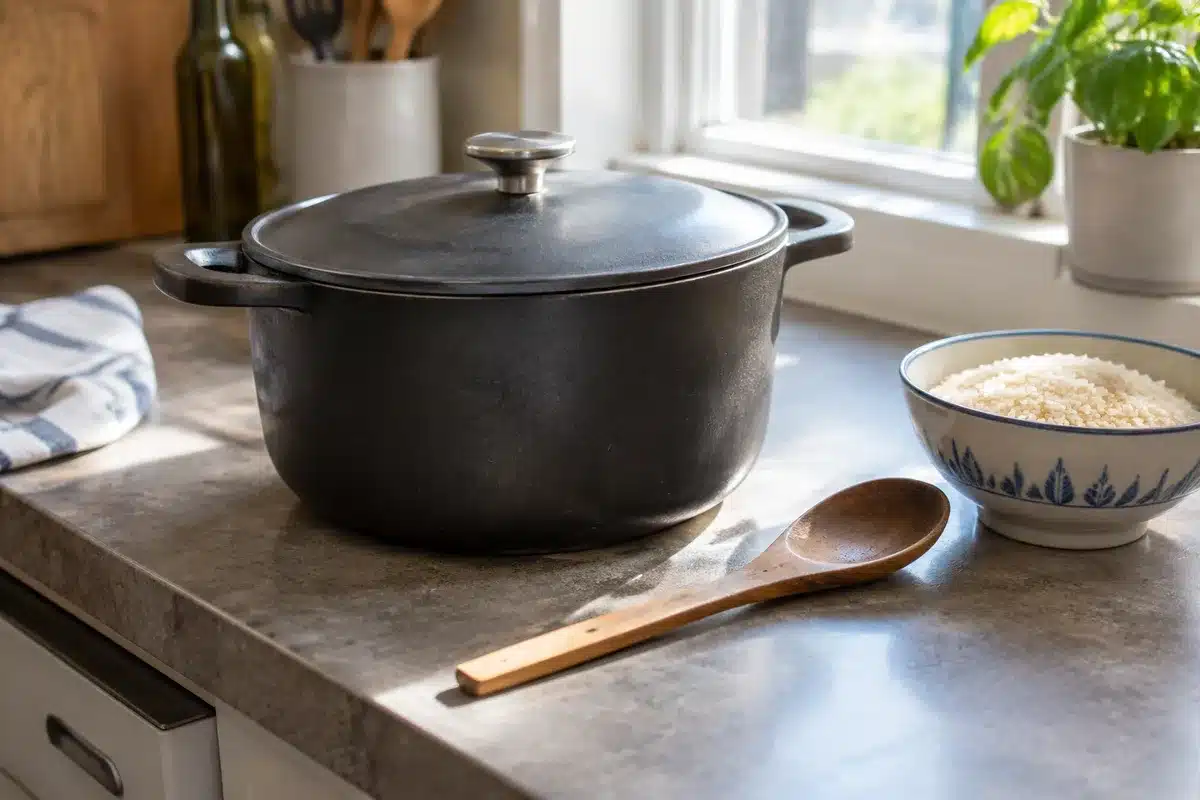
A small change in cookware can make a big difference to the rice on your plate. Using the right pot — not just the right water ratio — helps grains cook evenly, stay separate and avoid the two most common problems: a soggy middle or a scorched bottom.
Depth influences how steam circulates and how heat moves through the pot. Shallow pans allow liquid to evaporate faster and can leave the center undercooked, while very deep, narrow pots trap steam but may concentrate heat at the base. Finding the right balance matters whether you’re making a weekday side or a holiday batch for guests.
Why pot shape and depth matter
Williamsburg Italian restaurant from two sisters debuts with pasta and pizettes
thanksgiving desserts that travel well: 12 make-ahead crowd-pleasers
Rice cooks by absorbing water and using steam to finish gelatinizing the starches. A pot that is too wide exposes more surface area to evaporation; one that is too narrow can stack grains so steam can’t circulate freely. Both situations change cooking time and texture.

Material and thickness also play a role. Thin pans transmit heat quickly, which can cause the bottom to brown before the rest finishes. A heavier base spreads heat more evenly, giving you time to lower the flame and let steam finish the job.
Practical cookware and technique tips
- Prefer a medium-deep pot with a snug-fitting lid: it holds steam without crowding the grains.
- Choose a heavy-bottomed pan to reduce hotspots and prevent scorching.
- Bring to a full boil, then lower to a gentle simmer; resist the urge to lift the lid during cooking.
- After turning off the heat, let rice rest 8–15 minutes with the lid on to complete steaming and firm up the texture.
- For one-pot meals where you brown ingredients first, use a wider skillet but finish covered or transfer to a deeper pot to steam.
Quick reference: rice types, water and timing
| Rice | Typical water ratio (stovetop) | Simmer time | Pot type |
|---|---|---|---|
| Long-grain white | 1 : 1.5–1.75 | 12–18 minutes | Medium-deep, heavy-bottomed |
| Jasmine | 1 : 1.25–1.5 | 10–15 minutes | Shallow to medium pot, snug lid |
| Basmati | 1 : 1.5 | 12–18 minutes | Tall, narrow pot or heavy saucepan |
| Brown rice | 1 : 2–2.5 | 35–50 minutes | Deeper pot to retain steam |
These are starting points; packaging instructions and personal preference should guide final adjustments. If a recipe calls for a fluffy, separate grain, err toward slightly less water and a pot that allows even steam circulation.
Troubleshooting common problems
Soggy, clumped rice: Too much water, a pot that’s too wide, or removing the lid too soon. Next time, reduce water slightly and use a medium-deep vessel.
Undercooked center: Evaporation exceeded absorption — often in shallow pans. Cover and extend resting time, or use a deeper pot the next time.
Burnt bottom: Heat too high or pan too thin. Lower the flame sooner and choose cookware with a thicker base.
For cooks who want reliable results without fuss, a heavy, medium-deep pot with a tight lid is a good everyday choice. It balances evaporation and steam circulation so grains finish uniformly — and that small change is often the difference between disappointing rice and a consistently fluffy side dish.
Taco wine pairings: Mexican chef reveals best bottles for every taco
New Hope, Pennsylvania restaurants ranked: top spots locals are flocking to