
Show summary Hide summary
The thin, savory oil left behind after you empty a tin of anchovies is a concentrated source of flavor — and it deserves a second life in the kitchen. With a few simple techniques you can turn that leftover oil into dressings, sauces and finishes that lift everyday meals and reduce waste.
Anchovy oil is intensely flavored and salty, so a little goes a long way. Below are practical uses, safety and storage tips, plus quick recipes that put that umami-rich fat to work.
Why this matters now
Brooklyn bar owner goes viral after impromptu Conan O’Brien bit
Anchovies unlock two pantry flavor hacks: what to keep from the tin
Home cooks are looking for ways to cut waste and boost flavor without extra shopping. Repurposing anchovy oil is an easy win: it requires no special equipment, adds savory depth, and stretches pantry ingredients further. Knowing how to store and use it safely keeps the benefit without risk.
Everyday ways to use leftover anchovy oil
Think of the oil as a flavored base, similar to garlic oil or chili oil. Add it sparingly to dishes that benefit from a salty, umami note.
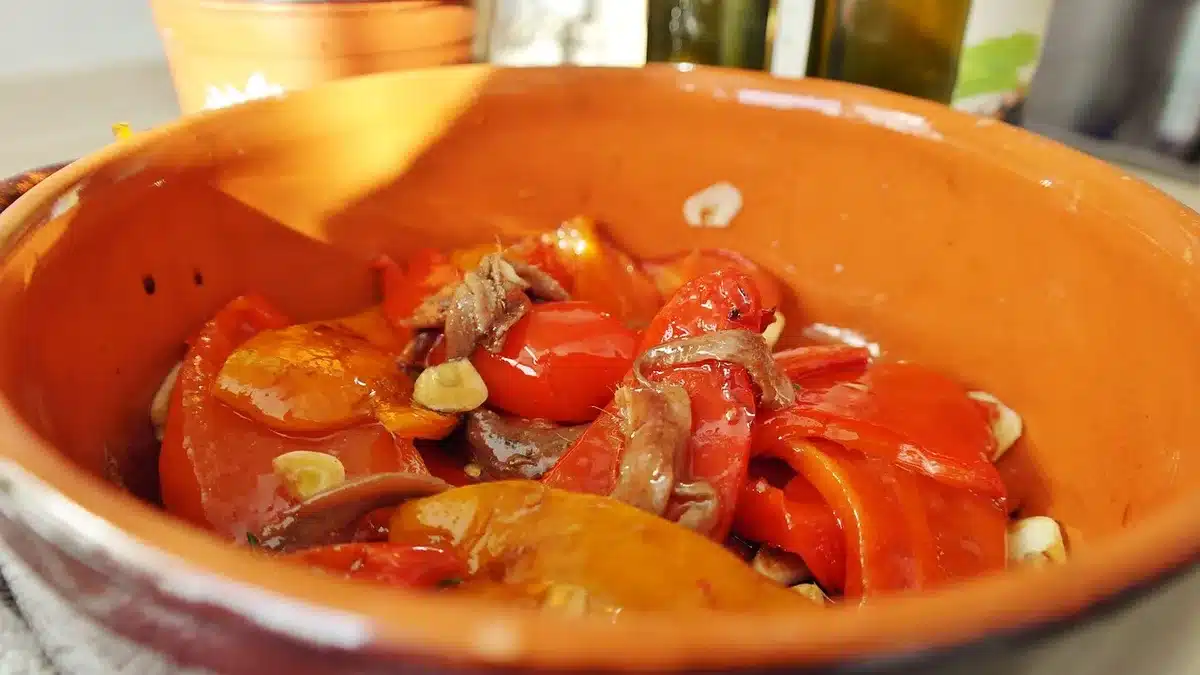
- Stir into vinaigrettes and pan sauces for instant depth.
- Finish sautéed greens or roasted vegetables with a drizzle.
- Toss with hot pasta, lemon and grated cheese for a quick sauce.
- Brush on bread or pizza before baking for a savory crust.
- Blend into compound butter or mayonnaise as an umami booster.
Practical recipes and quick methods
Below are compact recipes and ideas you can use immediately. Quantities are intentionally small — start with a teaspoon and adjust to taste.
| Use | Why it works | Quick method |
|---|---|---|
| Simple anchovy vinaigrette | Oil carries the anchovy’s salty, savory flavor evenly through a dressing. | Whisk 1 tbsp anchovy oil, 1 tbsp lemon juice, 2 tbsp olive oil, a pinch of pepper; toss with salad or steamed veg. |
| Garlic & anchovy pasta | Hot pasta absorbs the oil and transfers flavor to every bite. | Sauté 1 clove garlic in 1–2 tsp anchovy oil, add cooked pasta, a squeeze of lemon, parsley and grated cheese. |
| Pan sauce for fish or chicken | Anchovy oil enriches pan fond and balances richness. | After searing, deglaze pan with wine or stock, stir in 1 tsp anchovy oil and a pat of butter to finish. |
| Vegetable roast drizzle | An aromatic finish that complements caramelized veg. | Toss roasted carrots or Brussels sprouts with 1 tsp anchovy oil and a splash of vinegar before serving. |
| Compound butter or aioli | Transforms spreads and dips with a subtle savory edge. | Mix 2 tsp anchovy oil into 4 tbsp softened butter or into 1/2 cup mayo with lemon and garlic. |
Storage and safety
To preserve quality, pour leftover anchovy oil into a small, clean jar and refrigerate. Use it within a couple of weeks for best flavor. For longer keeping, freeze the oil in an ice cube tray and transfer the cubes to a sealed bag — frozen cubes can be kept for several months.

If the oil smells sharply sour, nauseating, or shows mold or cloudiness beyond normal chilling, discard it. When in doubt, err on the side of caution.
Flavor tips and troubleshooting
Start light — the oil is concentrated. If a dish becomes too salty, balance with acid (lemon, vinegar) or a neutral starch (pasta, potatoes). Avoid heating anchovy oil at very high temperatures for long periods; add it near the end of cooking to preserve nuance.
For a subtler profile, mix anchovy oil with neutral olive oil or browned butter. To make a marinade, combine the oil with citrus zest, honey and fresh herbs for a quick flavor lift that won’t overpower.
Repurposing anchovy oil is a small habit that delivers big results: less waste, more complexity, and faster weeknight cooking. Try one of the ideas above tonight — a teaspoon stirred into a sauce will change how you think about leftovers.
Whiskies to pair with cigars: 8 beginner-friendly bottles worth trying now
Seattle restaurants: 38 top picks for dining tonight