Show summary Hide summary
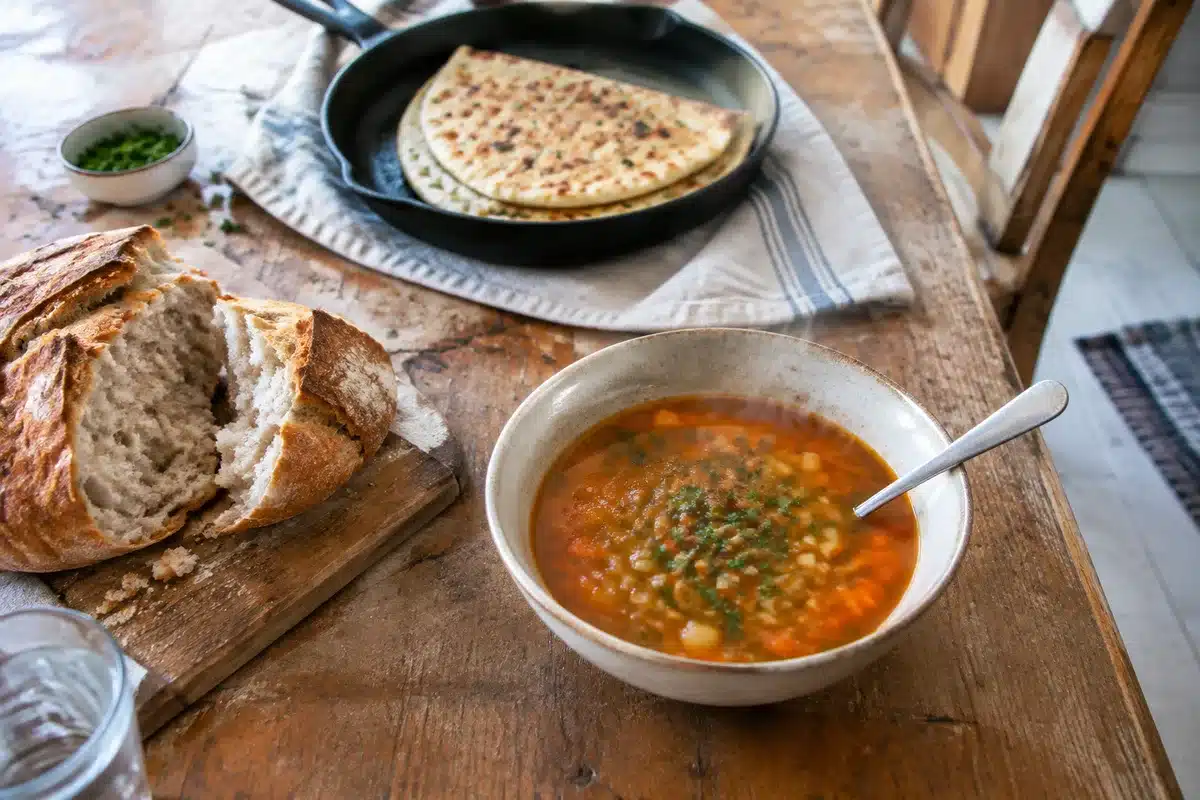
When a steaming bowl of soup arrives at the table, the simplest finishing touch can make the meal feel complete: a piece of warm, homemade bread to mop up every spoonful. Beyond comfort, a well-chosen loaf or flatbread changes texture, stretches the meal, and keeps soups from ending as just a bowl of leftovers.
Why homemade bread matters right now
With cooler weather and pantry-friendly cooking back in focus, making bread at home is both practical and timely. Fresh bread adds substance and mouthfeel that store-bought slices rarely match; it also reduces waste by turning a pot of soup into a satisfying, shareable dinner.
Brooklyn bar owner goes viral after impromptu Conan O’Brien bit
Anchovies unlock two pantry flavor hacks: what to keep from the tin

Which breads work best with soup
Not all breads behave the same when exposed to hot broth. Some absorb without falling apart, while others offer a crunchy contrast before softening into a sponge. Match the bread’s density and crust to the soup’s body.
- Crusty artisan loaves — Open crumb and a crisp crust make them ideal for tearing and dunking into brothy, tomato-based soups.
- Cornbread — Slightly sweet and crumbly; pairs well with chili and bean soups where a firmer bite is welcome.
- Quick skillet breads — Fast to make and chewy; they hold up to thicker stews and cream-based soups.
- No-yeast soda or beer bread — Ready in under an hour and sturdy, these breads are useful when you want speed without sacrificing texture.
| Bread | Time to prepare | Texture | Best with |
|---|---|---|---|
| Crusty no-knead loaf | 18–24 hr (mostly hands-off) | Open crumb, crisp crust | Tomato, minestrone, seafood chowders |
| No-yeast soda bread | 30–40 min | Dense, slightly crumbly | Hearty stews, root-vegetable soups |
| Skillet flatbread | 15–25 min | Chewy, pliable | Creamy soups, lentil and bean soups |
| Cornbread | 25–35 min | Crumbly, slightly sweet | Chili, black bean soups |
Simple techniques for maximum soak-and-serve satisfaction
To get the most out of bread with soup, focus on crust, crumb, and temperature. A hot, crisp crust resists turning to mush immediately, giving you a satisfying initial bite before the interior soaks up broth.
Try these practical tips:
- Preheat your baking surface (stone or cast iron) to help a crust develop fast.
- Add steam during the first 10 minutes of baking — a hot pan of water or a spritz from a spray bottle will help the crust form.
- Slice loaves just before serving to keep crust crisp; for rustic tearing, present the bread whole and let guests pull pieces.
- For emergency bread, toast sliced store-bought loaves lightly to add structure before dunking.
Quick methods you can use tonight
When time is limited, two reliable approaches deliver fresh bread fast and pair well with almost any soup.
Skillet flatbread: whisk flour, salt, baking powder and yogurt or water into a soft dough, cook in a hot, lightly oiled skillet 2–3 minutes per side. It’s fast, forgiving, and ideal for brothy bowls.
No-yeast soda bread: mix flour, baking soda, salt and buttermilk into a shaggy dough, shape and bake 30–35 minutes. It’s dense enough to stand up to chunky stews.
Storing and reheating
Store leftover bread in a paper bag or wrapped in a tea towel at room temperature for a day. For longer storage, freeze slices in a resealable bag. Re-crisp frozen or stale bread by heating in a 350°F oven for 6–10 minutes or briefly toasting slices.
When serving with soup, warm slices — thermal contrast between hot soup and warm bread enhances the eating experience.
Pairing bread and soup thoughtfully is an easy way to elevate weeknight meals, make leftovers more appealing, and add a practical layer of comfort during colder months. Even a quick, no-yeast loaf can transform a simple pot of soup into a full, satisfying dinner.
Whiskies to pair with cigars: 8 beginner-friendly bottles worth trying now
Seattle restaurants: 38 top picks for dining tonight