Show summary Hide summary
With more people brewing espresso-style coffee at home and kitchen surfaces shifting toward induction, the humble stovetop moka pot is once again under the microscope. Knowing its limitations matters now: the choice affects safety, flavor, and whether the device will actually work on a modern cooktop.
It asks for active attention, not a set-and-forget approach
Brooklyn bar owner goes viral after impromptu Conan O’Brien bit
Anchovies unlock two pantry flavor hacks: what to keep from the tin
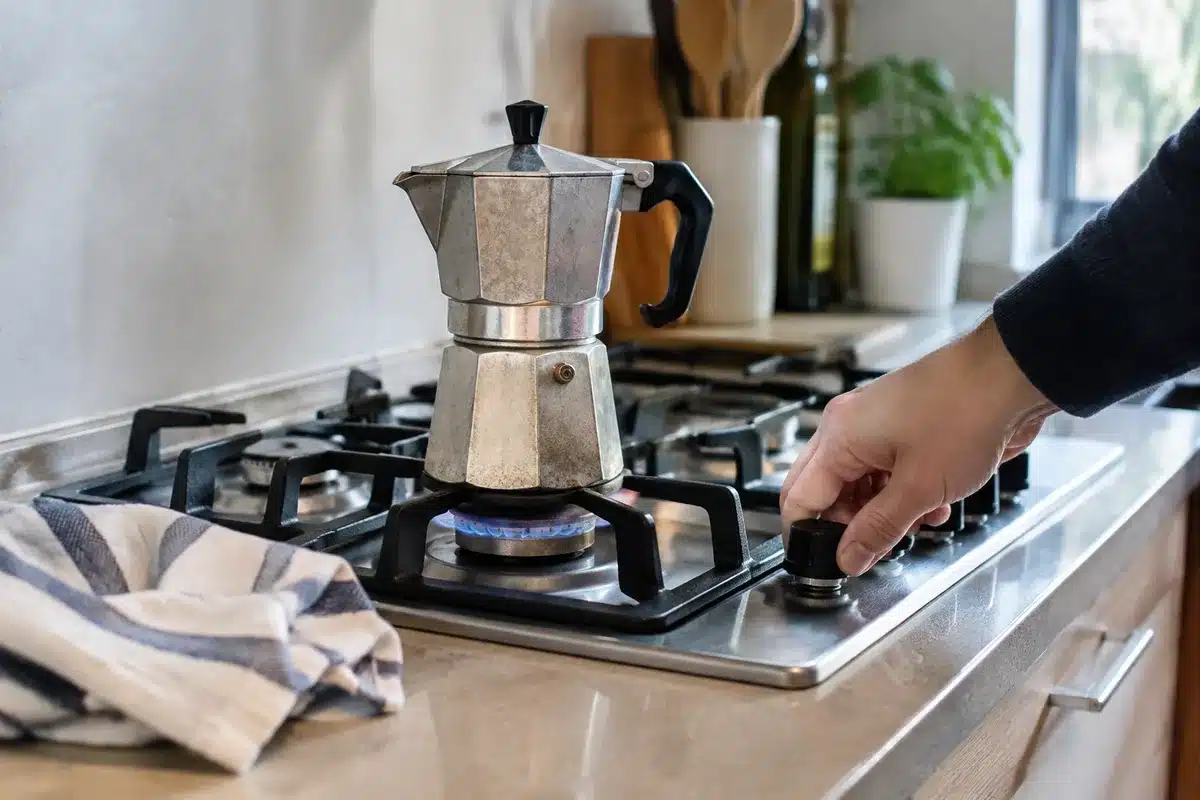
If convenience is your priority, a moka pot demands more involvement than an automatic brewer. You assemble the unit, measure water to a precise level, load the grounds, and then watch the extraction as it forces brewed coffee into the upper chamber.

That means you can’t leave the kitchen while it brews. Turn away for too long and you risk sputtering, overflow, or a scorched pot on a hot burner. Learning the right burner setting and timing takes a few tries, so expect a short learning curve before consistently good results.
Flavor can tip quickly toward burnt or bitter
Because the moka pot relies on direct stovetop heat, temperature control is a major variable. High heat or prolonged extraction often produces a harsh, burnt edge rather than a clean, bold cup.
Other factors compound this: an overly fine grind encourages over-extraction, and filling the water chamber above the safety valve can interfere with proper pressure dynamics. Small missteps produce large shifts in taste — and in many kitchens that translates to wasted coffee and frustration.
Limited flexibility in how much coffee you can make
Moka pots are built to brew to a fixed capacity. The lower chamber must be filled to a specific mark for the mechanism to function correctly, so you can’t simply scale the recipe up or down without affecting extraction.
Manufacturers sell different sizes, but the stamped “cups” typically refer to small espresso-style demitasses, not full American mugs. Using a pot that’s too large for a single cup often results in under- or over-extracted coffee; using a too-small pot means you’ll need to run multiple batches.
Cleaning and upkeep are more involved than many expect
There are no electronics to fail, but the moka pot still needs regular hands-on maintenance. Classic aluminum models require disassembly and gentle hand-washing to prevent oil buildup and clogged passages.
The small rubber gasket and filter plate wear over time and must be inspected periodically — brittle or cracked seals reduce pressure and ruin the brew. Replacement parts aren’t expensive, but sourcing them can be an extra hassle.
Not all moka pots are compatible with modern induction cooktops
If your kitchen uses an induction surface, material matters. Traditional aluminum pots lack the magnetic base induction systems require, so they simply won’t heat on those burners.
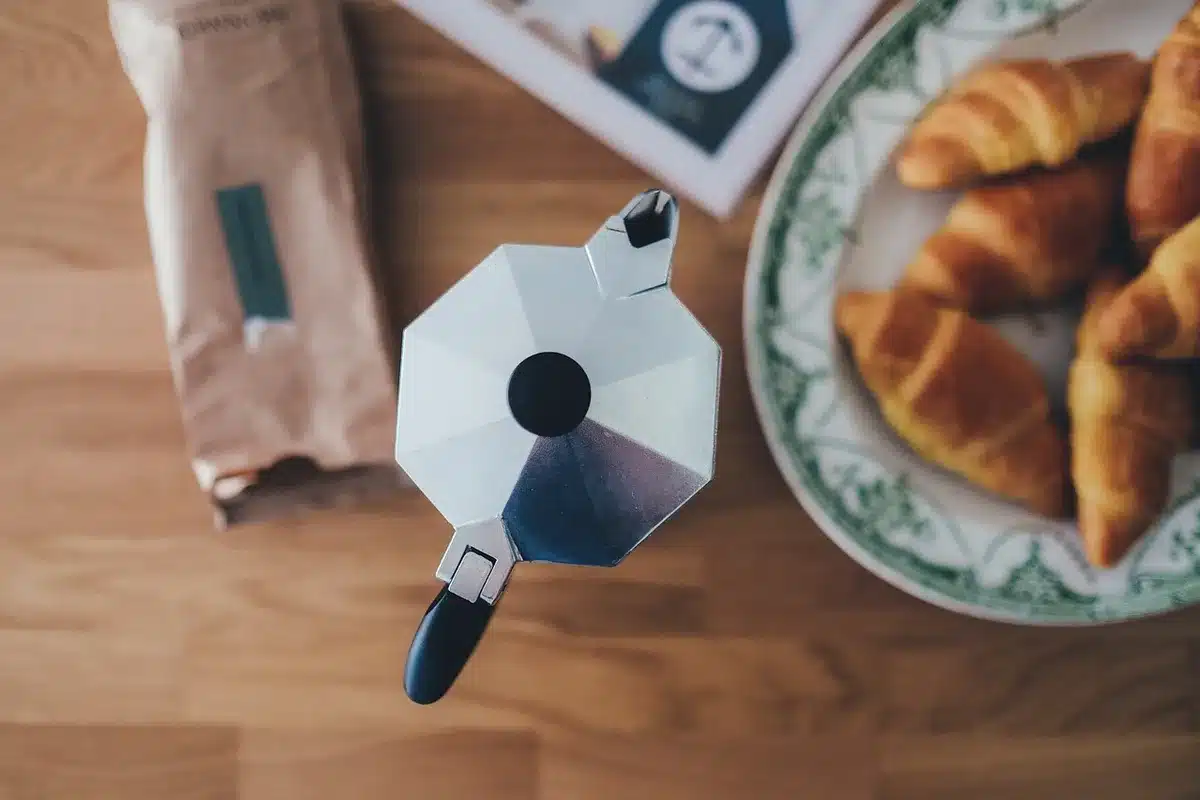
Manufacturers now produce induction-compatible moka pots, often in stainless steel, and cheap adapter plates can bridge the gap for classic aluminum models. Still, compatibility limits your options and can raise the purchase price.
Putting these points together, the moka pot remains attractive for people who value ritual and bold flavor, but it isn’t the lowest-effort choice for every household.
Quick takeaway: should you buy a moka pot?
- Yes if you enjoy hands-on brewing, want a concentrated coffee without an espresso machine, and have a suitable stovetop.
- Be cautious if you rely on induction cooktops, need variable batch sizes, or prefer a plug-and-play coffee maker.
- Short-term costs: replacement gaskets, occasional part sourcing, and potentially an induction plate or a second pot for larger households.
Practical tips to avoid the most common problems
- Use a low-to-medium flame and remove the pot from heat as soon as the upper chamber fills.
- Grind to a medium-fine texture — finer than drip but coarser than espresso — to limit bitterness.
- Fill the water to just below the safety valve; never overfill the lower chamber.
- Wash and dry components by hand, and inspect the gasket regularly for wear.
- If you have induction, buy a stainless-steel moka pot or use a suitable induction adapter plate.
In short, the moka pot is a compact, low-tech way to get strong coffee at home, but it brings trade-offs: increased user attention, careful maintenance, and sometimes awkward compatibility with contemporary kitchens. For readers deciding whether to bring one into their routine, weigh how much ritual you want against the practical constraints outlined above.
Whiskies to pair with cigars: 8 beginner-friendly bottles worth trying now
Seattle restaurants: 38 top picks for dining tonight