
Show summary Hide summary
As more home cooks turn to fresh seafood for weekday dinners and weekend projects, knowing how to pick the right fish and turn it into neat, even fillets is a practical skill that reduces waste and improves safety. This guide walks through what to look for at the market, the tools worth owning, and the step-by-step technique to produce restaurant-quality fillets in your own kitchen.
Why this matters now
With fluctuating supply chains and a renewed interest in cooking from scratch, buyers are encountering a wider variety of whole fish and whole-cut options at grocery counters and fishmongers. Learning to evaluate freshness and process a whole fish at home helps you save money, control portioning, and avoid spoilage.
Latin food brands reshaping home kitchens: 4 companies bringing bold flavors and heritage
Frozen vegetables taste sweeter and cut prep time: the swap home cooks swear by
How to choose a fresh fish (quick checklist)
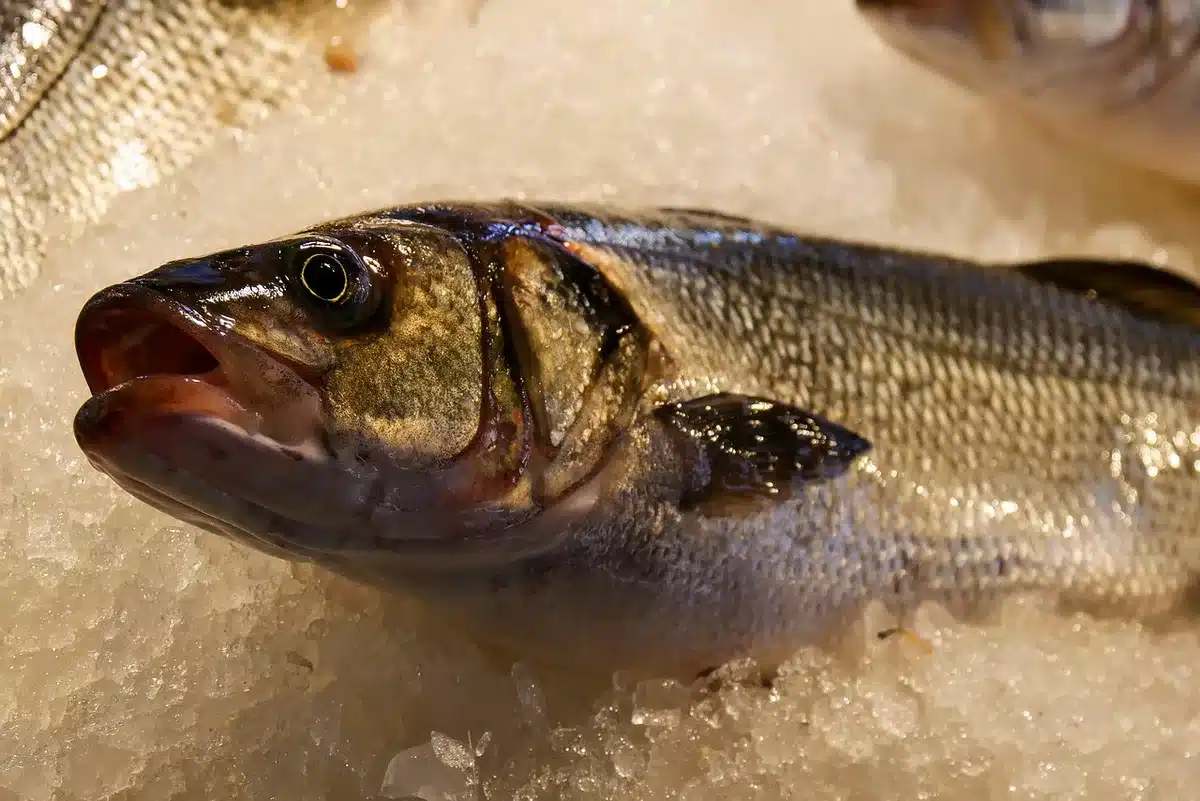
- Eyes: should be clear and slightly bulging, not cloudy or sunken.
- Gills: look for bright pink to red gill tissue—brown or gray indicates age.
- Smell: a clean, ocean-like scent; avoid any sour, overly “fishy” odor.
- Skin and scales: shiny skin and firmly attached scales are good signs.
- Flesh: press gently—flesh should spring back and not hold an indentation.
- Temperature: the fish should feel cold to the touch and ideally be stored on ice.
These simple checks will quickly separate a high-quality specimen from something that should be avoided.
Essential tools
A small kit covers most home filleting tasks and saves time.
- Fillet knife: a long, flexible blade for clean, sweeping cuts.
- Cutting board: large and non-slip; use a dedicated board for fish if possible.
- Kitchen shears and a boning knife for thicker fish.
- Tweezers or fish pliers to remove pin bones.
- Clean cloths, a tray or bowl for trimmings, and gloves if you prefer.
Step-by-step: filleting a whole fish
Work on a chilled surface and keep the fish cold until you begin. A damp cloth under the board helps prevent slipping.
- Scale and rinse: If the recipe calls for skin-on fillets, remove scales by scraping from tail to head; rinse and pat dry.
- Make the head cut: With the fish on its side, cut behind the gill plate at a backward angle toward the head so you can later remove the head cleanly if desired.
- Top-to-tail incision: Insert the tip of your fillet knife behind the head along the backbone and run it toward the tail, keeping the blade against the bones to maximize yield. Use long, smooth strokes rather than sawing motions.
- Separate the rib cage: After the main cut, lift the fillet and slice away the ribs, angling the knife beneath them to free the flesh.
- Flip and repeat: Turn the fish over and repeat the same sequence on the other side.
- Pin bone removal: Run your fingers along the fillet to locate small bones and remove them with tweezers by pulling in the direction they point.
- Skin or not: To remove skin, place the fillet skin-side down, hold the tail end taut, and slide the knife between flesh and skin with a slight downward angle. Keep the blade nearly horizontal and use short, steady strokes.
- Trim and portion: Trim ragged edges and portion the fillets as needed for cooking or storage.
Patience and consistent knife angle are the biggest determinants of a tidy fillet.
Common mistakes and fixes
| Problem | Why it happens | Quick fix |
|---|---|---|
| Torn fillet edges | Using a dull or too-short knife | Sharpen your knife and use longer, single-stroke cuts |
| Bone fragments left in flesh | Rushing pin bone removal | Run your fingertips along the fillet and extract bones with tweezers |
| Slippery fish on board | Inadequate grip or wet cutting surface | Place a damp towel under the board; dry the fish slightly |
Storage and food-safety tips
After filleting, keep fish cold. Store on ice or in the coldest part of the refrigerator at or below 40°F (4°C). Use fresh fillets within 1–2 days, or freeze them quickly—ideally vacuum-sealed—to preserve texture and flavor.
Finally, practice matters. Your first few fillets may look imperfect, but as you learn to trust the knife and read a fish’s anatomy, yields improve and prep time drops. Mastering these basics gives you more control over portions, freshness, and what ends up on your plate.
Andy Puzder blasts White House over gas spike: doubts claim that relying on OPEC lowers emissions
Cheap American beer under $10: top 6-pack buys to stock up now