Show summary Hide summary
When a bottle of gin sits on your bar, it should earn its place — whether as the backbone of a standout cocktail or a spirit you sip to study. These ten selections stand out right now for distinctive production, regional ingredients, or craft techniques that justify paying a little more.
We reached out to four beverage professionals — a restaurant GM, a cocktail consultant, a specialty bar owner and a beverage director — for picks that deliver flavor, provenance and versatility. Prices noted are current at publication and may vary by retailer.
Brookline dining guide: best restaurants and bars to try now
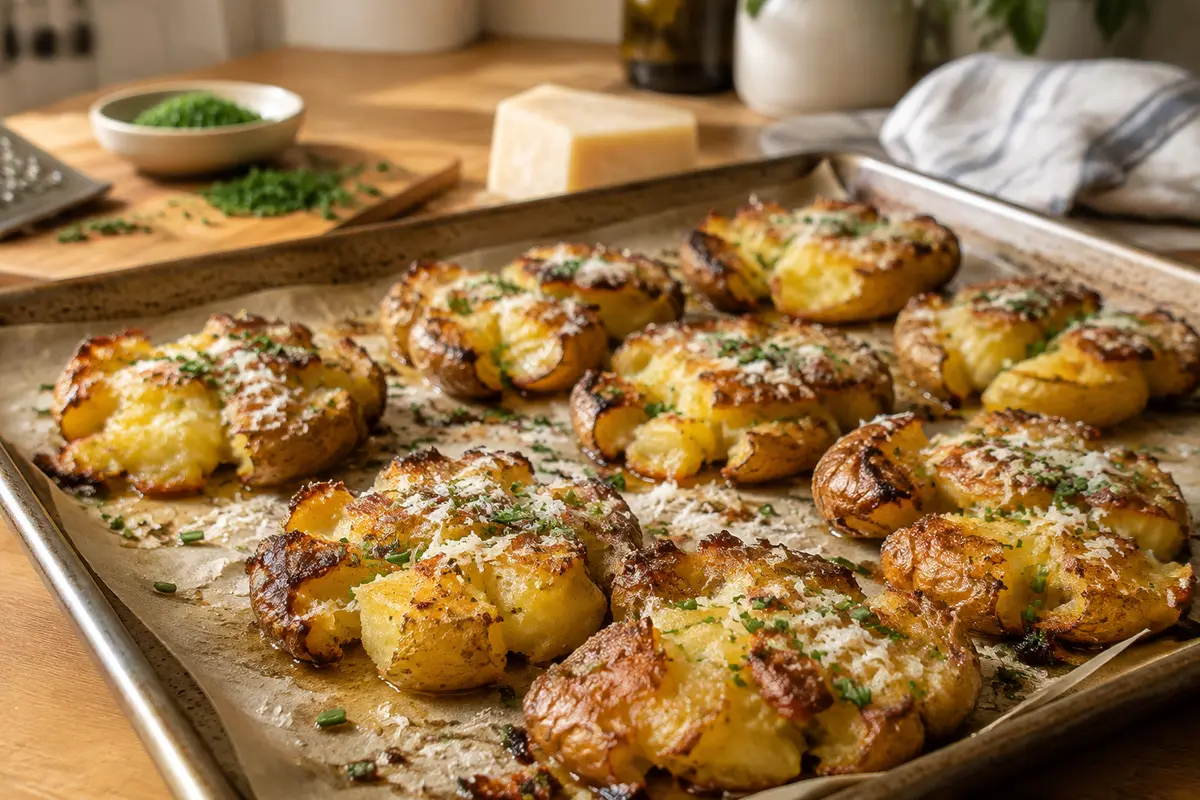
Cheesy potato recipes: 12 crispy crowd-pleasers to try tonight
- Pickering’s Original 1947 — Spice-forward balance with citrus lift; about $38–$45.
- Nolet’s Silver — Floral and stone-fruit-forward, challenges classic juniper dominance; around $35.
- Hayman’s Old Tom — Slightly sweet, cocktail-friendly vintage style; roughly $30.
- Ohoro Gin — Hokkaido botanicals and local water; award-winning; $64–$80.
- Fishers Gin — Wild coastal botanicals, savory and briny notes; about $50.
- Moletto Tomato Gin — Tomato-led Italian expression, sweet-savoury profile; $40–$50.
- Gin Mare — Mediterranean herbs and Arbequina olive oil texture; near $40.
- Archipelago Botanical Gin — Filipino indigenous botanicals, tropical-citrus character; around $40.
- Monkey 47 Schwarzwald Dry Gin — 47 botanicals, extended maturation, concentrated complexity; $40–$79.
- Barr Hill Tom Cat — Barrel-aged, honey-finished American gin with oak depth; about $55.
Pickering’s Gin Original 1947
This bottle resurrects a Bombay-era recipe and layers spice over a clear juniper thread. Its composition swaps angelica for cinnamon in one version, tipping the balance toward warmth and aromatic depth. Bartenders appreciate its ability to be enjoyed neat or to stand up to citrus-forward cocktails.
Expect a versatile spirit: it shines in a dry martini, holds up in a Negroni and plays exceptionally well with a tonic and a blood orange wheel.
Nolet’s Silver Gin
Nolet’s reimagines expectations by foregrounding rose and stone-fruit notes instead of the typical piney profile. The Dutch distillery’s small-batch approach marries Turkish rose with peach and raspberry to produce a floral, fruit-forward spirit.
Mixologists recommend it where sweetness and aroma are assets — try it with sweet vermouth or in a French 75 to let the floral tones lift the drink.
Hayman’s Old Tom Gin
Old Tom represents an older, slightly sweeter lineage of gin; Hayman’s follows a family recipe that dates back to the 19th century. The result is a rounded, juniper-led bottle with a touch of honeyed sweetness.
Because of its mouthfeel and subtle richness, this style is prized for classic cocktails that benefit from balance rather than austerity — think Ramos Gin Fizz or a more textured martini.
Ohoro Gin
Distilled in Niseko, Hokkaido, Ohoro leans on local botanicals — including Japanese mint and sweet gale — and uses regional soft water for dilution. Those elements combine into a clean, herb-and-citrus-forward profile that earned it the World’s Best Classic Gin title at the 2024 World Gin Awards.

In simple pours or light cocktails like a Southside or Tom Collins, Ohoro’s sense of place becomes the focal point.
Fishers Gin
From the Suffolk coast, Fishers builds a savory, saline character from hand-foraged coastal botanicals such as rock samphire and bog myrtle. The shoreline influence is palpable — this is a gin that tastes of sea air and herbs.
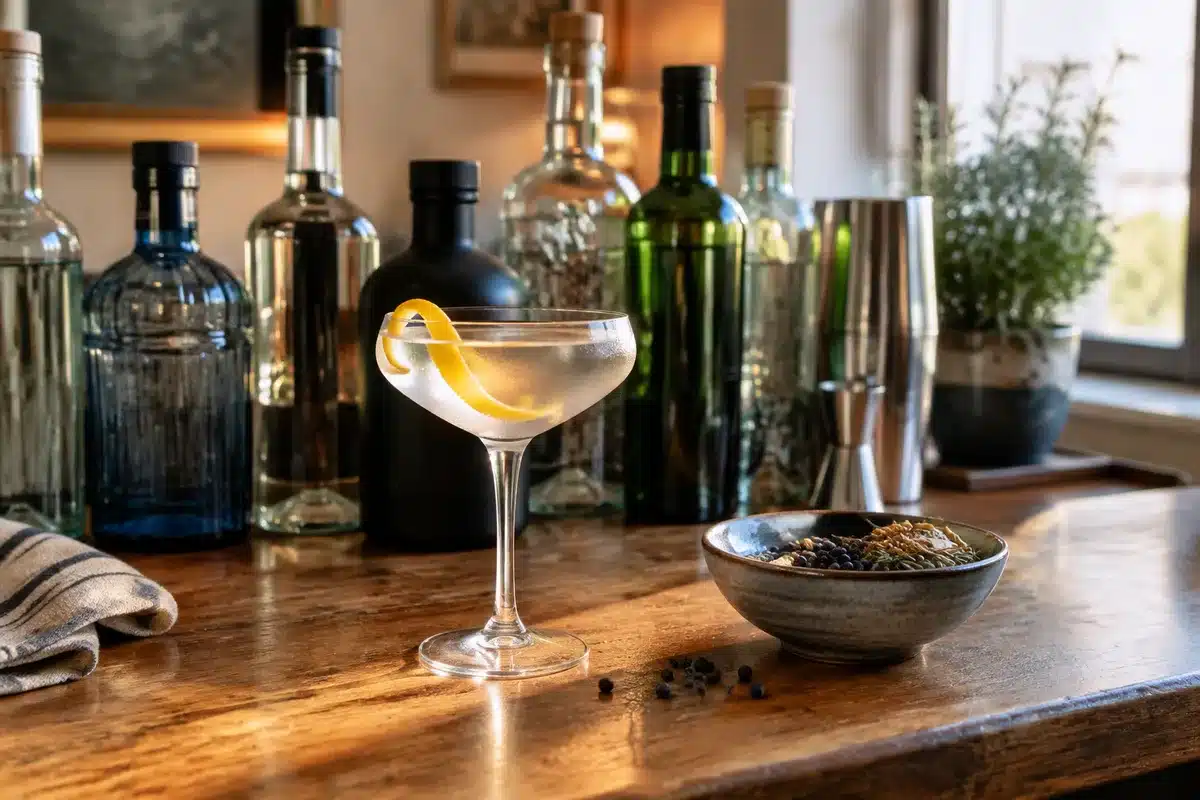
Because of its umami and herbaceousness, Fishers is often used in more savory cocktails or a slightly altered martini with orange bitters and a lemon twist.
Moletto Tomato Gin
Produced in Veneto, Moletto puts indigenous tomatoes front and center. Juniper provides the foundation, but ripe tomato and Mediterranean herbs shape the midpalate, creating a sweet-and-savoury arc more commonly found in regional Italian spirits.
It’s an intuitive choice for a Gibson-style martini or a salted tomato gimlet — cocktails that play up the tomato’s savory juiciness.
Gin Mare
Gin Mare embodies the Mediterranean with rosemary, thyme, basil and a defining olive note from Arbequina olives. Distilling each botanical separately before marriage produces a textured spirit with a subtle saline thread and a soft, lingering finish.
Use it in a classic gin and tonic or a martini when you want herbal oils and a hint of salinity to shape the drink.
Archipelago Botanical Gin
Born in the Philippines, Archipelago sources the majority of its 28 botanicals locally — calamansi, sampaguita and ylang-ylang among them — to present a distinctly tropical-citrus profile. The gin was crafted to showcase indigenous flavors and has won international awards for that approach.
It plays well in citrus-led cocktails and can handle the bitter backbone of a Negroni while still letting its tropical notes breathe.
Monkey 47 Schwarzwald Dry Gin
With nearly five dozen botanicals and a 100-day resting period in earthenware, Monkey 47 leans into complexity. The inclusion of lingonberries and an elevated proof contribute to a layered sip that reveals spice, herbs, florals and a resolute juniper spine.
Whether sipped neat or built into a freezer martini with elderflower and white vermouth, it rewards slow drinking and repeated tastings.
Barr Hill Tom Cat
Barr Hill blurs category lines by aging the gin in new American oak and finishing it with raw honey. The barrel influence provides oaky warmth and a honeyed finish while the underlying botanicals keep it recognizably gin-like.
This is a bottle that appeals to spirits drinkers who enjoy oak and texture; it’s a strong choice for a gin old fashioned or a robust Tom Collins.
How to choose among them:
- If you want something territory-specific and subtle, look for gins proofed with local water and botanicals (Ohoro, Fishers, Archipelago).
- Prefer floral, less juniper-forward spirits? Try Nolet’s Silver or Archipelago.
- Want a gin that behaves like a brown spirit? Barr Hill’s barrel finishing and Monkey 47’s maturation offer that richness.
- Shopping for cocktails: Old Tom styles and more textured gins (Hayman’s, Pickering’s) add balance and body to stirred classics.
Premium gins often demand higher prices because of unique botanicals, small-batch processes or ageing. For most home bars, a single bottle that complements the cocktails you make often delivers more value than owning multiple mid-range bottles. In short: buy with purpose — and when you find a bottle that consistently lifts your drinks, it’s worth the splurge.
McDonald’s 6,400-item viral order tied to Georgia prison: employee speaks out
Best premium gins to splurge on: 10 bottles that deliver every time