
Show summary Hide summary
Ghee has quietly moved from specialty pantry item to everyday cooking staple — and for good reason. With a nutty aroma, a higher heat tolerance than butter, and a long room-temperature life, this clarified butter variant is reshaping how home cooks and restaurants think about sautéing, roasting, and finishing dishes.
From butter to clarified gold: what happens in the pot
Making ghee is straightforward: simmer butter slowly until the water evaporates and the milk solids separate and brown. Skim or strain those solids away and what remains is a clear, golden fat that carries the butter’s flavor but behaves very differently in the pan.
Inglewood lounge aims to draw year-round crowds: not just a pregame spot for Intuit Dome
Brown butter upgrade: golden nutty version elevates taste and versatility
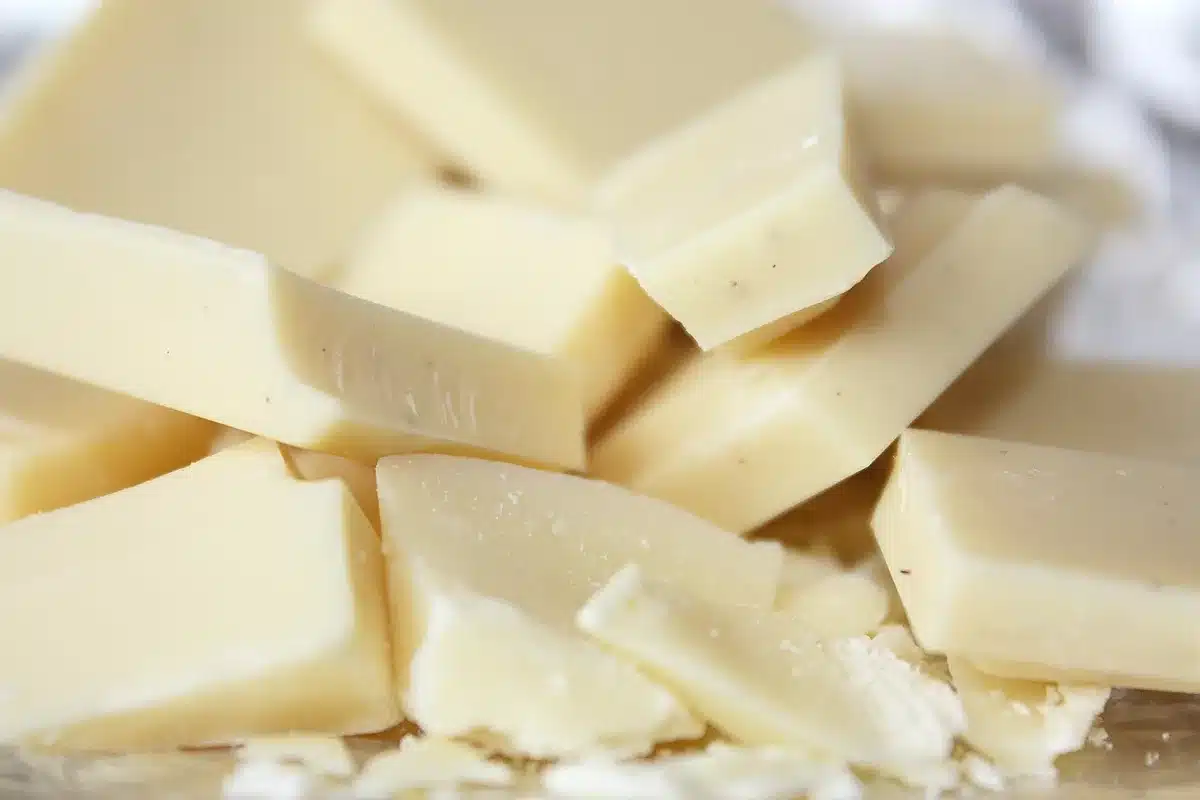
Two stages define the change: first the water content leaves, then the milk proteins settle and either brown (for a toasty flavor) or are removed entirely for a purer, cleaner fat. Small adjustments in timing and heat yield distinct textures and aromas — one reason chefs prize house-made batches.
Why cooks reach for ghee now
- Higher smoke point: Ghee tolerates sustained high heat, making it practical for searing and deep pan techniques without smoking the kitchen.
- Concentrated flavor: It delivers a butter-like richness with a caramelized, slightly nutty note when milk solids are browned first.
- Longer shelf stability: properly made ghee can sit at room temperature for weeks or months, which appeals to minimalist pantries and busy cooks.
- Dietary considerations: because the milk solids are removed, ghee often contains negligible lactose and casein — though people with serious milk allergies should still be cautious.
| Property | Butter | Ghee |
|---|---|---|
| Milk solids | Present | Removed or browned and strained |
| Typical smoke point | About 150°C (300–320°F) | About 230°C (440–450°F) |
| Flavor | Creamy, fresh | Richer, nutty, more caramelized when browned |
| Shelf life | Refrigerate; weeks | Room temperature for months if kept dry |
| Best uses | Spreads, baking, low-heat sauces | High-heat sautéing, roasting, finishing |
Practical ways to use ghee in your kitchen
Ghee’s versatility shows up in everyday tasks and in more deliberate culinary moves. Try it for pan-roasting proteins, crisping vegetables, stirring into lentils or grains for gloss and depth, or brushing onto bread before broiling.

- Swap ghee for oil when you need a stable fat at high temperature.
- Finish soups and stews with a spoonful for sheen and a subtle butter note.
- Use browned-ghee to add toasted, almost toffee-like flavors to sweets and savory pastries.
- Start small: because ghee’s flavor is concentrated, a little goes a long way.
Storage and safety
Ghee’s low moisture and the absence of milk proteins help it resist spoilage, but care still matters. Keep jars dry, use clean utensils, and store away from direct heat or sunlight. In warm, humid climates refrigeration can extend quality.
Homemade batches should be strained through fine cloth and cooled before sealing. If you notice off odors, cloudiness, or an unusual taste, discard the jar — rancidity is possible over time.
Nutritional and allergy notes
Ghee is calorie-dense and primarily fat; it’s not a low-fat alternative. Removing milk solids reduces detectable lactose and casein to trace levels for many people, but it is not guaranteed safe for those with severe dairy allergies. For specific dietary guidance, consult a healthcare professional.
Compared with regular butter, ghee does not offer dramatic changes in macro-nutrients, but its functional advantages in cooking — especially the higher smoke point — can make it a healthier choice in practical terms by limiting burnt oils and degraded fats.
As a cooking staple, ghee rewards experimentation. Make a small jar at home, observe how it performs across techniques, and adjust how you use it rather than treating it as a direct butter substitute. In doing so, you’ll see why this clarified fat has become a quiet favorite in contemporary kitchens.
Zero-sugar coffee creamer flops: shoppers warn against popular store brand
Indian recipes: slow-cooked depth, ready in under an hour