Show summary Hide summary
A new industry snapshot shows one coffee species overwhelmingly shapes what most of the world drinks: Arabica beans make up roughly six in ten unroasted coffee beans on the global market, a fact with immediate implications for price, taste and supply risk. The International Coffee Organization’s 2026 report underscores how a crop prized for delicate flavor is also the most exposed to climate and disease pressures.
Why Arabica leads the market
According to the ICO, Arabica accounts for about 61.1% of global green-bean production, leaving the bulk of the remainder to Robusta. Two other species — Liberica and Excelsa — represent only a sliver of global exports. That dominance is not accidental: Arabica’s flavor profile, which many describe as cleaner, sweeter and more complex than Robusta’s, has driven consumer and specialty-coffee demand for decades.
Inglewood lounge aims to draw year-round crowds: not just a pregame spot for Intuit Dome
Brown butter upgrade: golden nutty version elevates taste and versatility
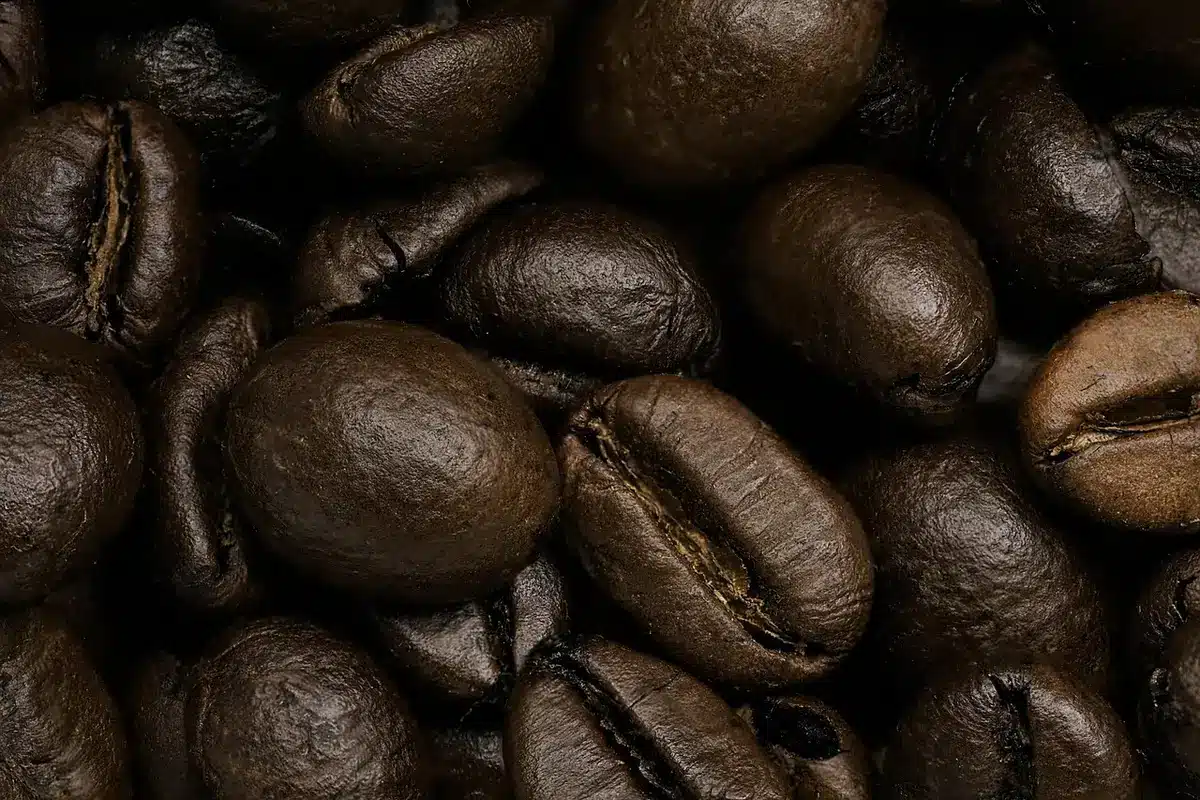
Arabica’s appeal sits squarely in its cup characteristics: brighter acidity, layered aromatics and tasting notes that can run from floral to fruity to nutty. Those qualities make it the preferred choice for pour-over and drip brewing, and often the backbone of single-origin offerings at specialty shops.
Where it comes from and what it needs
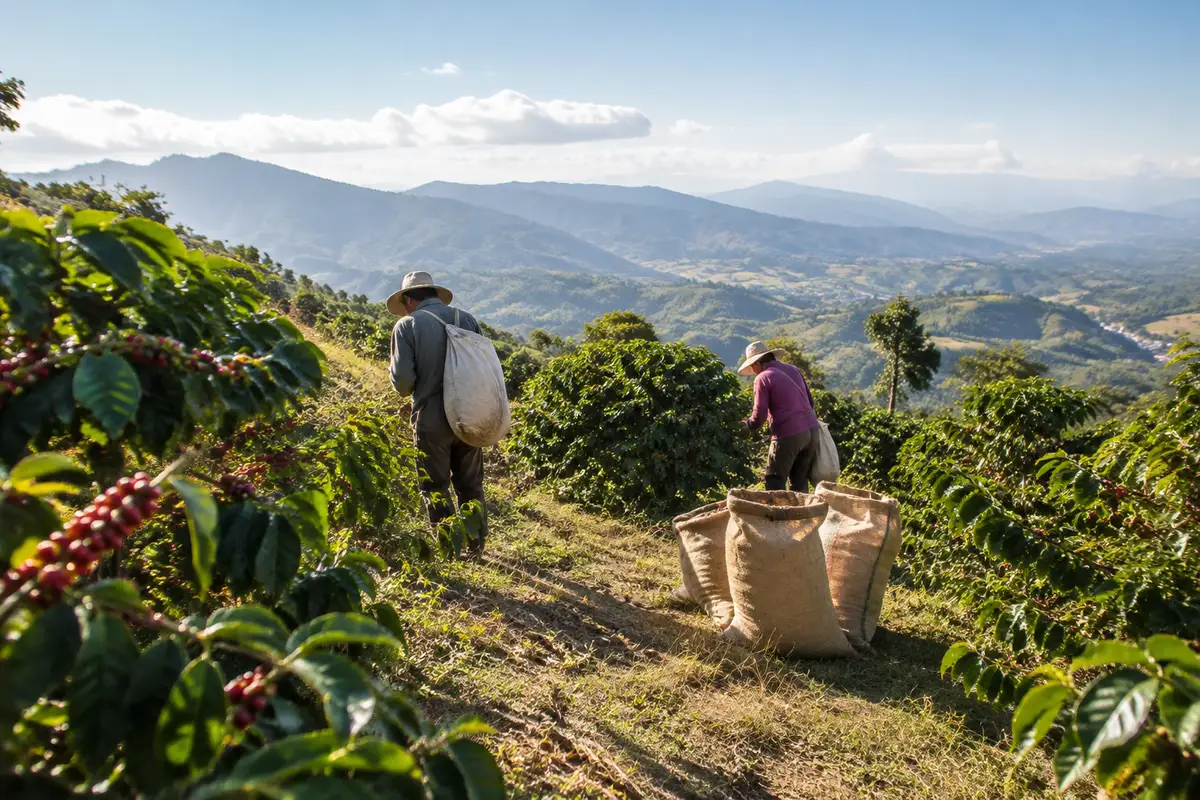
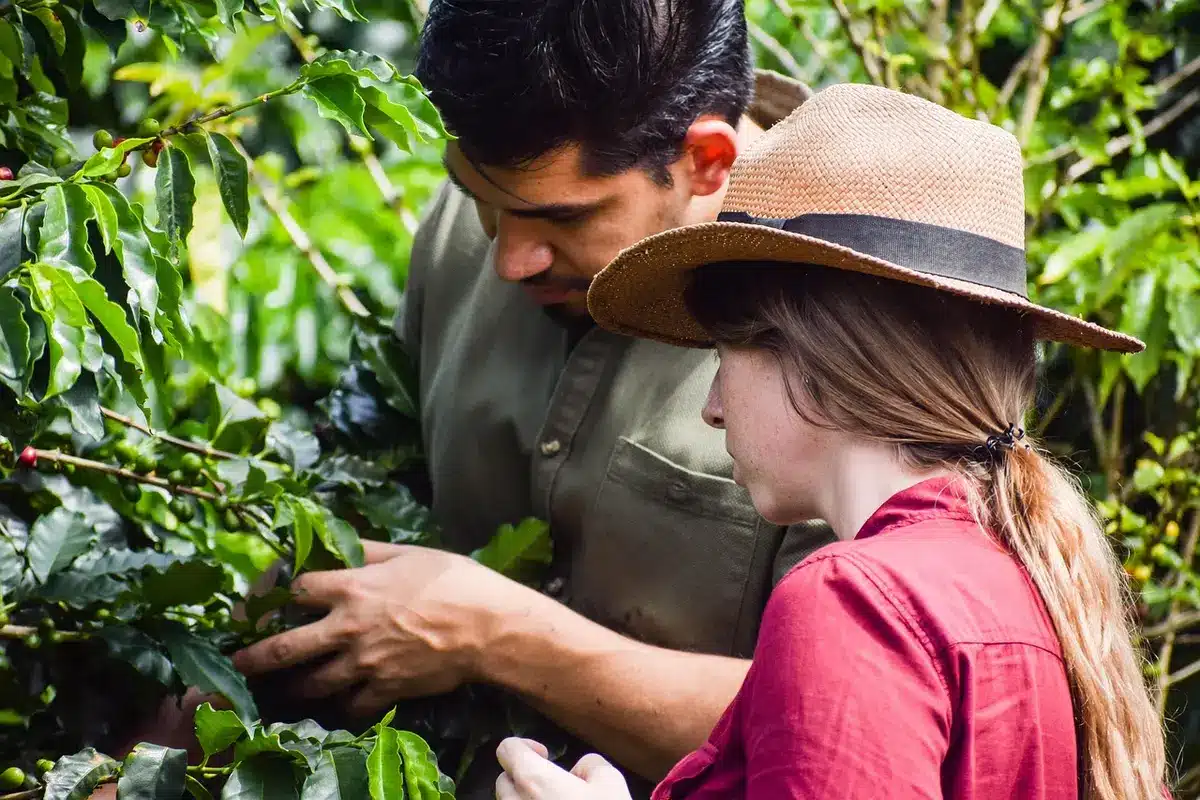
Originating in Ethiopia, Arabica spread across trade routes to the Middle East, Asia and the Americas over centuries. Today Brazil is the largest producer by far, followed by Colombia and Ethiopia; other important growers include Guatemala, Costa Rica, Indonesia and Yemen.
- Altitude: Arabica thrives at higher elevations, typically between about 600 and 2,000 meters (roughly 2,000–6,500 feet).
- Temperature: It prefers moderate climates, roughly in the 15–24°C range (59–75°F).
- Sensitivity: The variety is vulnerable to fungal diseases and insect pests, increasing cultivation costs and risk.
Those cultivation requirements help explain price differences at origin and in the cup. Regions that can reliably supply high-altitude, disease-free harvests are able to command premiums for beans with consistent, desirable flavor profiles.
Growing challenges and market consequences
Arabica’s sensitivity is a double-edged sword. Its taste advantages support higher retail values, but climate change and outbreaks of disease can quickly shrink yields and push prices up. Farmers face tighter margins and greater uncertainty, and roasters and retailers may need to shift sourcing or blend strategies when supply dips.
Some national policies reflect these realities. For example, Costa Rica historically restricted Robusta cultivation to protect its Arabica sector, a measure aimed at preserving both quality and export value.
At the blend level, Robusta often appears where cost, crema or caffeine content matter more than nuanced flavor, such as in many espresso blends and instant coffees. Conversely, rare cultivars and regionally distinctive beans — names like Bourbon, Caturra, Pacamara and the much-coveted Geisha — fetch top dollar on the specialty market. The U.S. has a small, high-priced niche as well: Hawaiian Kona remains one of the few domestically grown coffee varieties commanding premium prices.
What this means for shoppers and cafés
Expect the market to reflect Arabica’s dominance:
- More single-origin, Arabica-labeled offerings in specialty shops and supermarkets.
- Price sensitivity when weather or pests affect high-altitude growing regions.
- Blends featuring Robusta continuing to serve cost-sensitive or crema-focused segments.
For home brewers who value clarity and nuance, buying beans labeled by origin and cultivar is the most reliable way to capture Arabica’s hallmark flavors. If value or a stronger crema is the priority, blends with Robusta can be a practical alternative.
As the ICO’s 2026 figures make clear, the global coffee landscape hinges on a crop prized for its taste but exposed to mounting ecological and economic pressures. That tension will shape what ends up in cups around the world in the years ahead.
Zero-sugar coffee creamer flops: shoppers warn against popular store brand
Indian recipes: slow-cooked depth, ready in under an hour