Show summary Hide summary
Prepare a single casserole now and you’ll have reliable dinners all week—no nightly scramble required. With the right assembly, storage and reheating techniques, a baked pasta or lasagna-style dish can deliver near-fresh texture and flavor from Monday through Friday.
Why this matters today: many households face tighter evening schedules as school, work and extracurriculars intensify with the season, so efficient, satisfying meals that stand up to reheating are more valuable than ever.
Build it to last
Start with a dish that tolerates sitting without losing structure: layered pastas, baked ziti, or a sturdy casserole made with pasta shapes like penne or rigatoni. Use a sauce that’s not overly thin—thicker tomato or cream-based sauces cling to pasta better and reduce sogginess during storage and reheating.
Inglewood lounge aims to draw year-round crowds: not just a pregame spot for Intuit Dome
Brown butter upgrade: golden nutty version elevates taste and versatility
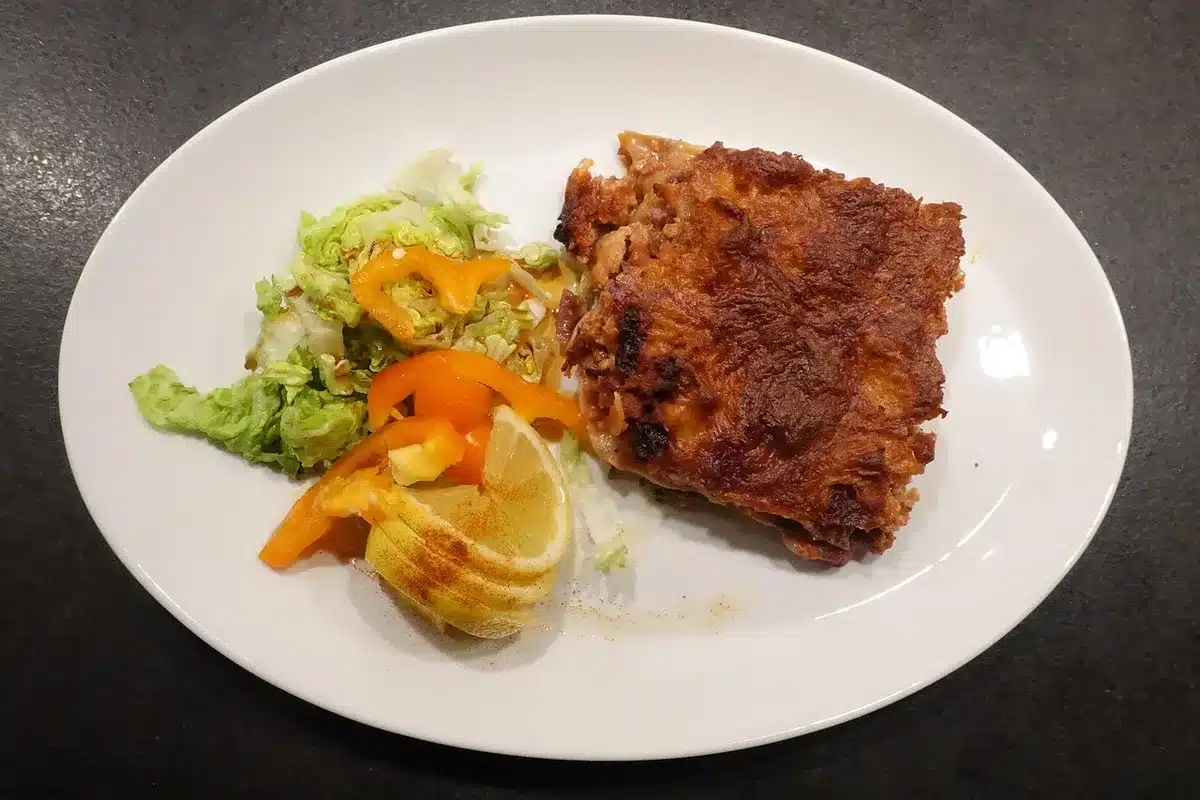
Consider adding a binder—ricotta, béchamel or a little grated cheese mixed into the pasta—to help pieces re-cohere after being cut and reheated. Vegetables should be slightly undercooked before baking so they don’t become mushy the second time around.
Packing, portioning and chilling
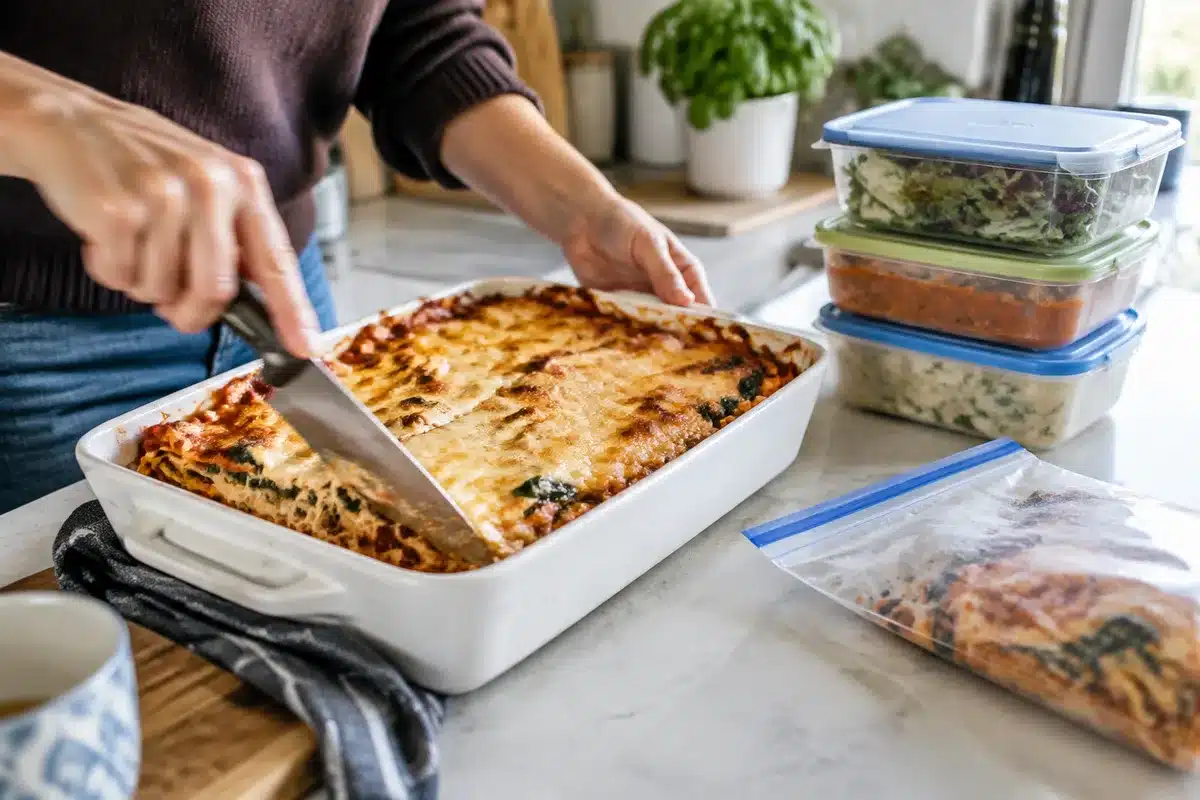
Divide the casserole into meal-size portions before chilling. Smaller portions reheat more evenly and cool faster, lowering food-safety risk.
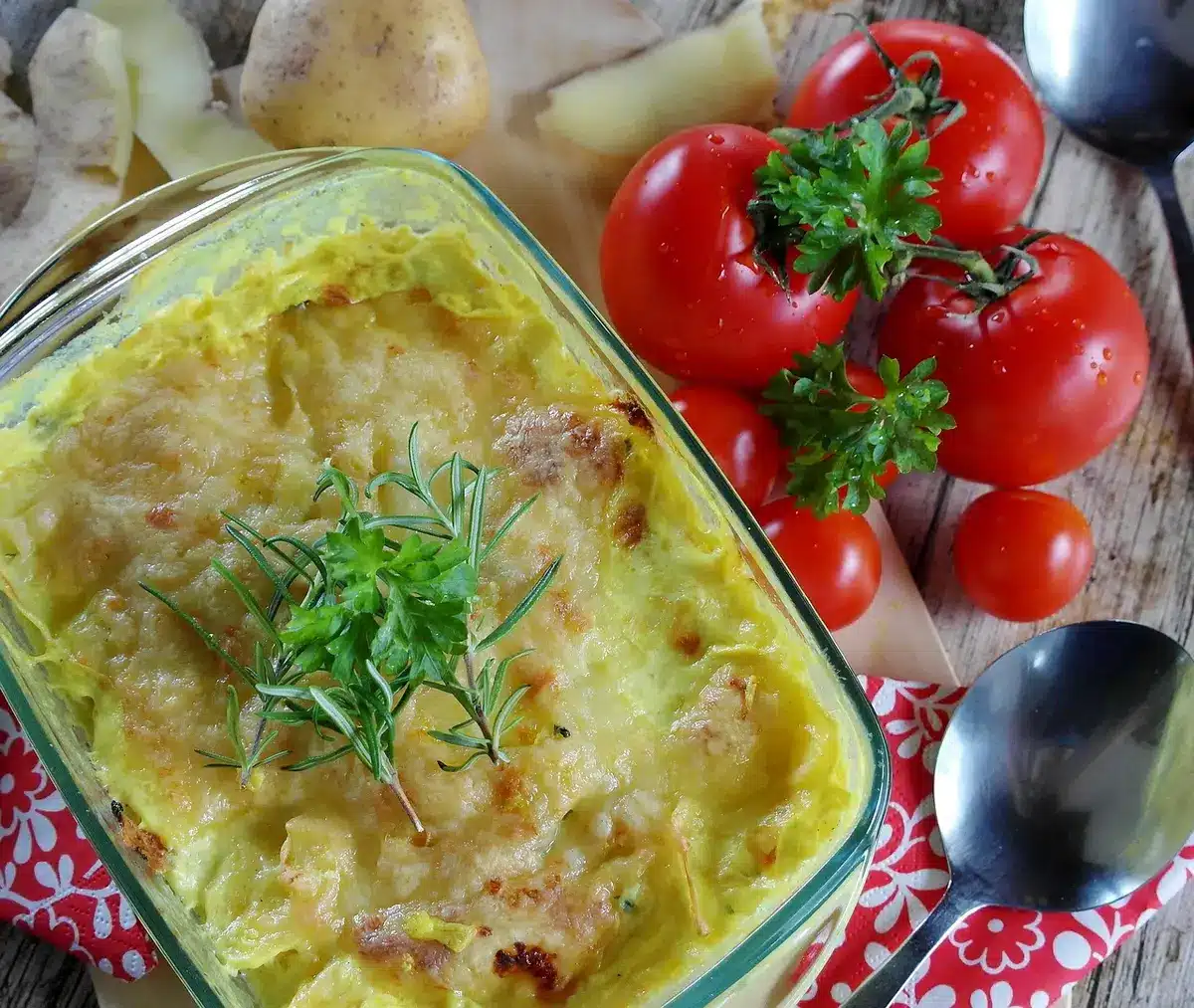
- Refrigerate within two hours of baking, in shallow, airtight containers.
- Label containers with the date; most cooked pasta dishes are safe for 3–4 days in the fridge.
- Freeze portions for longer storage—up to three months—wrapped tightly to prevent freezer burn.
Leaving an uncut pan whole is fine if you plan to serve it within a day or two, but portioning is the smarter move for weekday reheats.
Best ways to reheat (and why they work)
Reheating method affects texture and flavor. Use the oven for the closest-to-original results; the microwave is fastest but can leave edges dry; a skillet can revive crispness if you want a crunchy top.
- Oven: Preheat to 350°F (175°C). Cover the portion with foil and heat for 15–25 minutes depending on size, uncovering for the last 5 minutes to refresh the top.
- Microwave: Heat covered on medium power in 60–90 second bursts, stirring or rotating if possible. Add a splash of water or sauce to restore steam.
- Skillet: Place slices or pieces in a nonstick pan over low-medium heat, add a teaspoon of water, cover for a few minutes to steam, then uncover to crisp the surface.
Internal temperature should reach 165°F (74°C) for safety. A quick toothpick or instant-read thermometer check will confirm doneness without overcooking.
Flavor and texture rescue tricks
If a refrigerated casserole seems dry, stir in a spoonful of sauce or a little olive oil before reheating. Fresh herbs and a squeeze of lemon or drizzle of good olive oil added after reheating brighten flavors dramatically.
For a crunchy finish, sprinkle on cheese or breadcrumbs and run under a broiler for 1–2 minutes, watching closely so it doesn’t burn.
Quick guide: fridge vs freezer
- Fridge: 3–4 days, best for weekly meal planning.
- Freezer: Up to 3 months; thaw overnight in the fridge before reheating for best results.
- Thawing tip: Reheat from frozen at a lower oven temperature, covered, adding extra time to ensure even heating.
These simple practices turn one baking session into multiple no-fuss dinners without sacrificing quality. Make a tray on the weekend, portion it out, and you’ll reclaim precious weeknight minutes—without compromising a satisfying meal.
Zero-sugar coffee creamer flops: shoppers warn against popular store brand
Indian recipes: slow-cooked depth, ready in under an hour