Show summary Hide summary
Heading into cooler months, a reliable pot of soup can simplify weeknight cooking, stretch groceries and deliver comfort without fuss. Below are editor-tested recipes that fit three common needs—fast dinners, freezer-ready batches, and large, slow-simmered pots—so you can pick the right approach for tonight or plan a week’s worth of meals.
Why these choices matter now
With grocery prices and busy schedules both staying high on household agendas, soups offer a practical solution: inexpensive core ingredients, high nutritional density, and flexible scaling. Whether you want something on the table in half an hour or a make-ahead batch to thaw later, the right soup can cut waste and save time.
Williamsburg Italian restaurant from two sisters debuts with pasta and pizettes
thanksgiving desserts that travel well: 12 make-ahead crowd-pleasers
| Soup | Approx. time | Freezer-friendly? | Serves | Quick note |
|---|---|---|---|---|
| Tomato-basil bisque | 30–35 min | Yes (sans cream) | 4 | Blend for silky texture; add cream after reheating for best result. |
| Lentil and spinach soup | 30–40 min | Yes | 6 | Protein-rich, keeps well and reheats cleanly for lunches. |
| Thai coconut chicken (Tom Kha) | 25–30 min | No (coconut milk can separate) | 4 | Bright, fast, and great for weeknights; add herbs at the end. |
| Minestrone | 45–60 min | Yes | 6–8 | Load with seasonal veg and sturdy pasta or farro; freezes well without pasta added. |
| Classic beef and barley | 120+ min (or slow-cook) | Yes | 8 | Long-simmered flavors concentrate; great for batch cooking and crowds. |
| Butternut squash | 40–50 min | Yes | 6 | Roasting the squash first deepens flavor; add acidity to finish. |
| White bean and kale | 35–45 min | Yes | 6 | High-fiber and filling; cool quickly to preserve texture before freezing. |
| Chili (bean or beef) | 45–90 min | Yes | 6–10 | One of the easiest freezer staples; flavors often improve after a day or two. |
Fast weeknight options
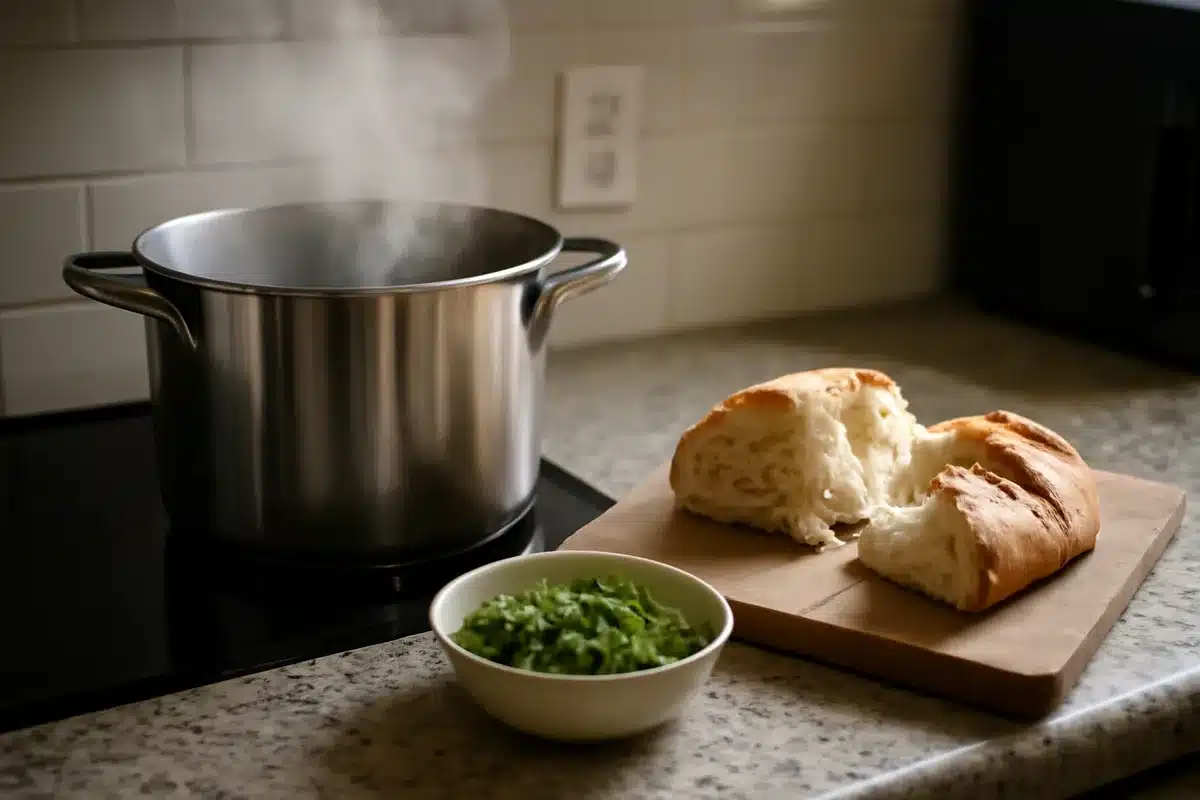
When time is the constraint, focus on soups that use canned tomatoes, precooked or canned beans, quick-cooking proteins and leafy greens that wilt in seconds. A simple tomato-basil bisque, a speedy chicken-and-vegetable soup, or a coconut-milk–based broth can be ready in about 30 minutes and still feel homemade.
One small editorial rule of thumb: sauté aromatics (onion, garlic, carrot) first to build flavor without lengthening the cook time. Add quick-cooking elements like spinach, fresh herbs or shredded rotisserie chicken at the end so they stay bright.
Batch cooking and freezing—practical guidelines
- Cool before packing: Let soups reach near-room temperature (no more than two hours on the counter) before transferring to containers to avoid condensation and ice crystals.
- Portion for convenience: Freeze in meal-sized portions so you only thaw what you need.
- Skip dairy and pasta: Add cream, milk or cooked pasta after reheating; they often change texture when frozen.
- Label everything: Date and name each container; most soups keep 2–3 months at best quality.
- Reheat safely: Thaw in the refrigerator overnight or reheat from frozen on low heat until steaming through; stir frequently.
When a big pot makes sense
Make-ahead pots are about more than convenience—they become flexible building blocks. A hearty beef-and-barley or a deeply flavored vegetable stew can serve as dinner, lunch for a week, a sandwich filler, or a base for grain bowls. Plan sides and toppings—crusty bread, pickled vegetables, grated cheese—to change the meal’s profile without extra cooking.
Also consider dietary swaps: use plant-based stocks and beans for vegan versions, or bulk up lean proteins with extra legumes to stretch servings while keeping them nutritious.
Small finds that make a big difference
- Use a splash of acid (vinegar or lemon) at the end to brighten stews and squash soups.
- Roast root vegetables first to deepen flavor in pureed soups.
- Reserve some texture—add toasted seeds, croutons or a handful of fresh herbs at the table so every bowl has contrast.
Whether you’re racing the clock on a weeknight or planning freezer meals for unpredictable days, a little forward thinking—smart ingredient swaps, proper cooling and sensible portioning—turns a simple soup into a lasting kitchen strategy. Pick one recipe from the table, test it this week, and you’ll quickly find which styles suit your schedule and palate best.
Taco wine pairings: Mexican chef reveals best bottles for every taco
New Hope, Pennsylvania restaurants ranked: top spots locals are flocking to