
Show summary Hide summary
Worry about tiny plastic particles in our food and drink has pushed many coffee lovers to consider plastic-free brewers. A former barista and coffee consultant argues that while reducing contact with plastic can bring peace of mind, replacing a working machine solely to cut microplastic exposure may deliver only marginal gains.
Microplastics are now a common part of the environment and the food chain, and that reality has people rethinking the materials that touch their morning cup. Matt Woodburn-Simmonds, a former barista and founder of Home Coffee Expert, says there are straightforward, cost-effective ways to reduce plastic contact without buying an expensive, plastic-free appliance.
Caramel, butterscotch, toffee: how their differences affect your desserts
McDonald’s rebrands Twitter to honor Bubba Wallace after his first NASCAR Cup win
Where change actually matters
Woodburn-Simmonds points out that the total amount of plastic a single coffee maker contributes to an individual’s microplastic load is likely very small compared with other sources. He suggests prioritizing steps that make a noticeable difference rather than chasing a completely plastic-free kitchen, which is difficult to achieve.
Still, if you want to limit plastic in your coffee routine, switching to a manual brewer or choosing models with fewer plastic components is a sensible approach. These options cut the number of times water or hot coffee flows over plastic parts, while often costing far less than a purpose-built “plastic-free” machine.
Practical alternatives
Among low-plastic choices, the stainless steel versions of manual brewers get strong marks. A stainless design replaces most plastic parts with metal, leaving only minor elements—typically a silicone seal or gasket—that still touch the brew.
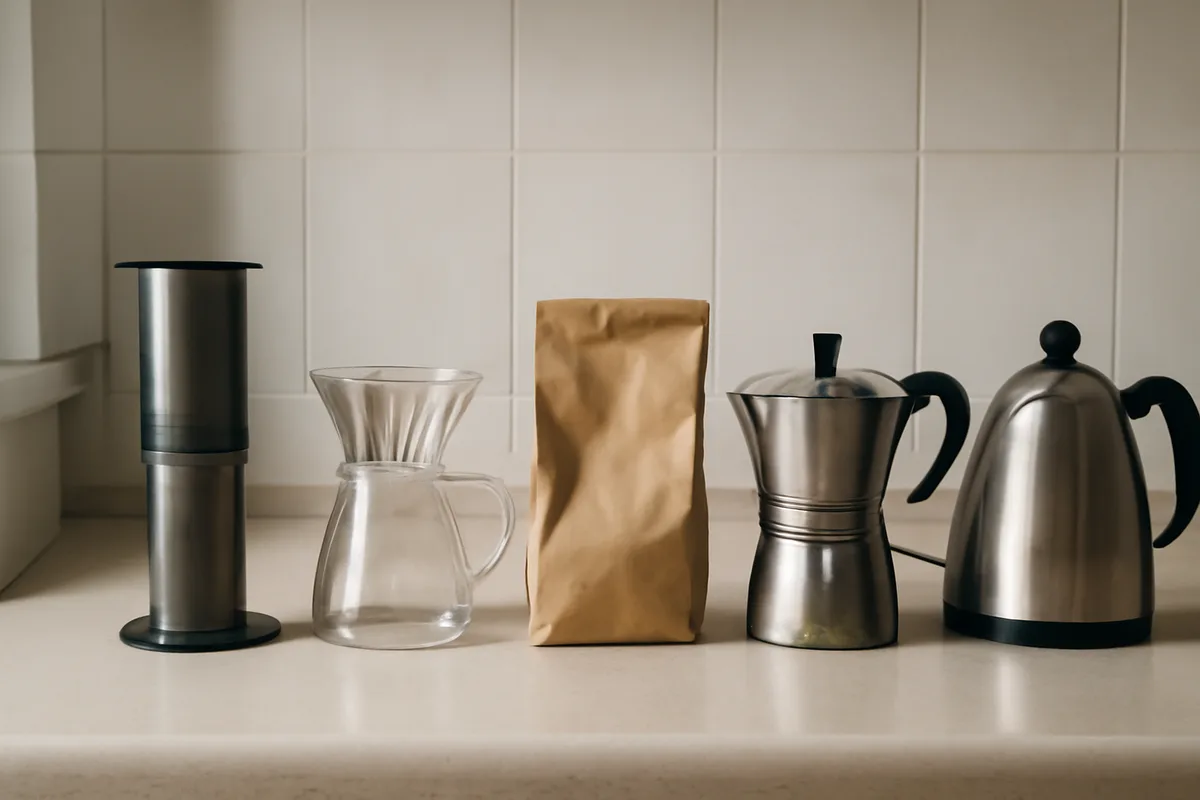
One example favored by the expert is a stainless steel AeroPress. It’s a compact, manual device that forces brewed coffee through a filter using a plunger, and many of its parts are metal or replaceable. Because it’s portable, it also avoids unknown plastics often found in hotel or office machines.
- AeroPress (stainless steel): Compact, low-plastic contact, good for travel and single cups.
- French press (stainless or glass): Simple design, easy to clean, minimal plastic if you choose a metal or glass model.
- Moka pot (aluminum or stainless): Traditional stovetop option with metal-only contact in many models.
- Replacing parts: In many electric machines you can swap plastic reservoirs or lids for glass or metal alternatives, reducing contact without buying a new brewer.
Cost is an important factor. A stainless manual brewer can cost more than a basic electric coffeemaker, but still represents a smaller investment than replacing a high-quality machine purely for material reasons. Woodburn-Simmonds frames it simply: choose what makes you comfortable, but weigh comfort against actual reduction in exposure.
How to decide
If your goal is to lower plastic contact for practical or health reasons, consider these steps first:
- Assess whether your current brewer has replaceable parts that could reduce plastic contact.
- Prioritize metal or glass components where they encounter water or brewed coffee.
- Combine a manual brewer with a good grinder for better flavor and less reliance on factory-made pods or plastic-lined filters.
For most people the sensible path is incremental: reduce obvious plastic contact, avoid unnecessary replacements, and focus on methods that improve both taste and material safety. Completely eliminating microplastics from daily life remains unrealistic, but you can meaningfully lower exposure from your coffee routine without spending excessively.
Ultimately, if you are already shopping for a new brewer, it makes sense to factor in the safety of materials alongside price, durability and brew quality. If the change brings you reassurance and fits your budget, it’s a reasonable choice; if not, small swaps and manual brewing will achieve much of the same benefit.
Irish whiskey: approachable bottles new drinkers should try today
Fishtown restaurants ranked: must-visit spots locals are raving about










