Show summary Hide summary
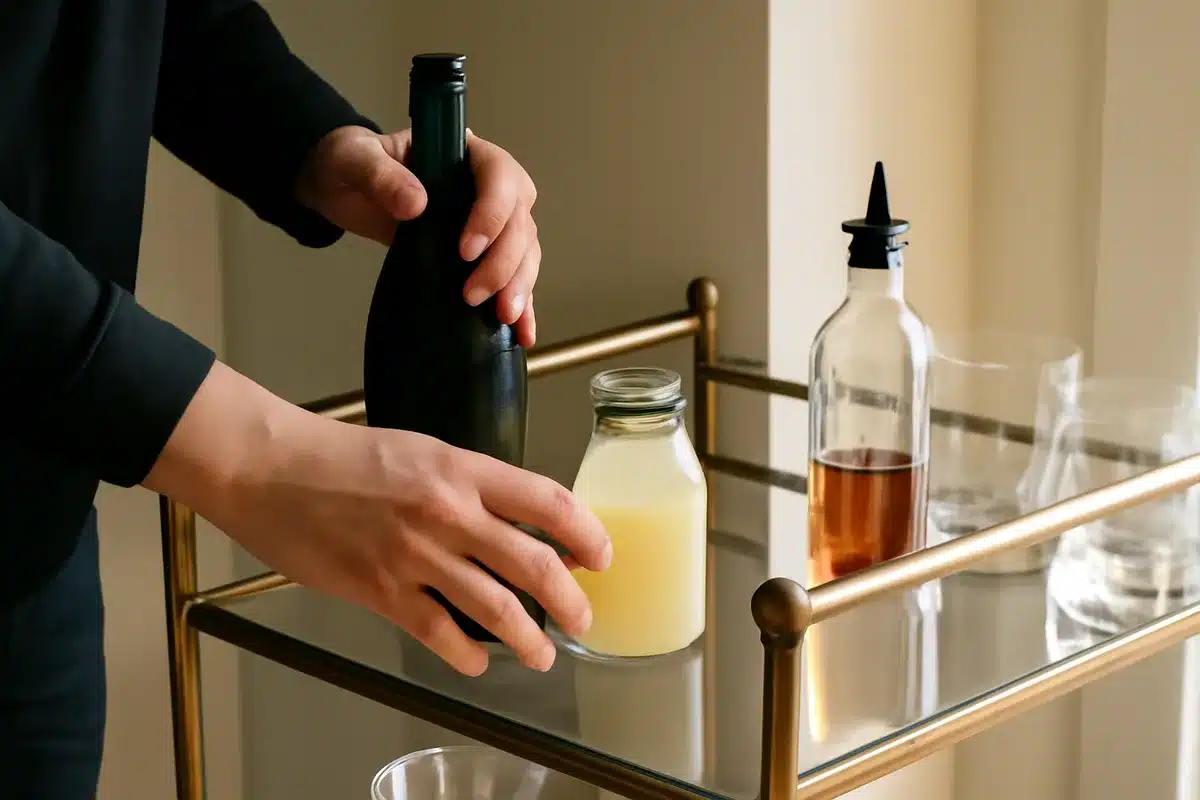
If you make cocktails at home, how you store mixers can be as important as the spirits you pour. Misstored juices, syrups and fortified wines lose flavor quickly—and in some cases can harbor bacteria—so a quick change to your bar routine can noticeably improve every drink you serve.
Why storage matters now
At-home drinking and casual entertaining remain popular, and more people are reaching for pre-made mixers or keeping partially used bottles on their bar cart. Temperature and exposure to air accelerate chemical and microbial changes: flavors fade, sugars ferment, and delicate aromatics break down. That affects taste first, but it can also create food-safety problems if items are left unrefrigerated for too long.
Caramel, butterscotch, toffee: how their differences affect your desserts
McDonald’s rebrands Twitter to honor Bubba Wallace after his first NASCAR Cup win
Juices: refrigerate promptly
Fresh juices—especially citrus and tomato—are staples in many classic cocktails, but they are perishable. If you squeeze at home, put the juice in the refrigerator right away. Cold slows oxidation and the growth of spoilage organisms; left at room temperature, a juice’s flavor and mouthfeel start to change within hours to days.

Commercial juices vary. Shelf-stable, pasteurized cartons can sit in the pantry until opened, but once exposed to air they should be chilled. Treat opened bottles like any fresh food: check smell and appearance before use, and prioritize the freshest bottles for drinks where the juice is central to the recipe.
Simple syrup needs cold, too
Homemade simple syrup is an easy way to sweeten cocktails, but it won’t keep forever on a counter. The sugar helps preserve it, yet without refrigeration syrups are vulnerable to mold and off-flavors over time.
How long a syrup lasts depends on the sugar ratio and any stabilizers. A standard 1:1 syrup typically stays at peak quality for about a month in the fridge; a thicker 2:1 syrup will keep longer—often several months—because the higher sugar concentration inhibits microbial growth. Store-bought syrups often include preservatives and can be more forgiving, but they should still be chilled after opening for best flavor retention.
Vermouth: a wine, not a spirit
Vermouth is fortified wine flavored with botanicals, and its alcohol level (usually in the mid-teens) doesn’t prevent oxidation. Once opened, vermouth begins to lose volatile aromatics and can develop sour or vinegary notes if left at room temperature.
Keeping vermouth in the fridge preserves its herbal balance and prevents rapid deterioration. Regularly tasting and rotating bottles helps too: an open bottle kept cold will stay pleasant much longer than one abandoned on a shelf.
Grenadine and other fruit-based syrups
Grenadine behaves like a pomegranate syrup—essentially a flavored sugar solution—so it follows the same storage logic as simple syrup. Commercial varieties made with artificial flavoring and stabilizers can last unopened in the pantry, but once unsealed they should be refrigerated.
If you make grenadine at home or buy brands made from real juice, chill them immediately. Homemade fruit syrups generally keep for a few weeks in the refrigerator and taste best when used sooner rather than later.
Opened commercial mixers: read the label, then refrigerate
Pre-mixed bases—Margarita mixes, Bloody Mary blends, tropical cocktail concentrates—often contain juices and sweeteners that become unstable when exposed to air. Most manufacturers recommend refrigeration after opening; storage times vary by formula but will usually be printed on the packaging.
Refrigerating opened mixers preserves both safety and flavor, and it has a practical benefit at the bar: cooler mixers require less ice to chill a drink, so you avoid unnecessary dilution and keep cocktails tasting as intended.
- Fresh-squeezed citrus: best used within 48–72 hours; refrigerate immediately.
- Bottled juices (opened): refrigerate and follow the label; typically good for several days to a couple weeks depending on pasteurization.
- Simple syrup: 1:1 in fridge ~1 month; 2:1 can last several months refrigerated.
- Vermouth: refrigerate after opening; use within 1–2 months for optimal aroma.
- Grenadine (homemade): refrigerate and use within a few weeks; commercial versions vary—chill after opening.
- Prepared cocktail mixers: refrigerate after opening; check the bottle for guidance.
Not everything needs to live in the fridge. High-proof spirits, sealed cans of soda, and some bitters can be stored in a cool, dark pantry until opened. But when a mixer is central to a drink’s flavor profile, err on the side of cold storage: you’ll get brighter cocktails and fewer surprises.
Small changes—moving a few bottles to the fridge, labeling opened mixers with a date—pay off at the next pour. Better storage means truer flavor, less waste, and a safer home bar.
Irish whiskey: approachable bottles new drinkers should try today
Fishtown restaurants ranked: must-visit spots locals are raving about