
Show summary Hide summary
If someone has ever told you there’s one correct way to drink bourbon, that advice is overdue for an update. As more people experiment with spirits at home and discover bourbon online, small choices—like whether to add water or wait a few minutes—can change what you taste and how much you enjoy the bottle.
Chris Blatner, who runs the popular @urbanbourbonist account, argues that rigid etiquette around whiskey does more harm than good. He rejects the notion that a quality bourbon must always be served neat and says personal preference should lead the way: if a dash of water, a single ice cube, or a cocktail makes the drink better for you, those are valid options.
That view matters because many newcomers walk away from a bottle after a first, bracing sip that mostly reveals alcohol heat rather than flavors. Understanding a few simple techniques can turn an off-putting first impression into appreciation of a spirit’s complexity.
Caramel, butterscotch, toffee: how their differences affect your desserts
McDonald’s rebrands Twitter to honor Bubba Wallace after his first NASCAR Cup win
The practical effects of dilution and time
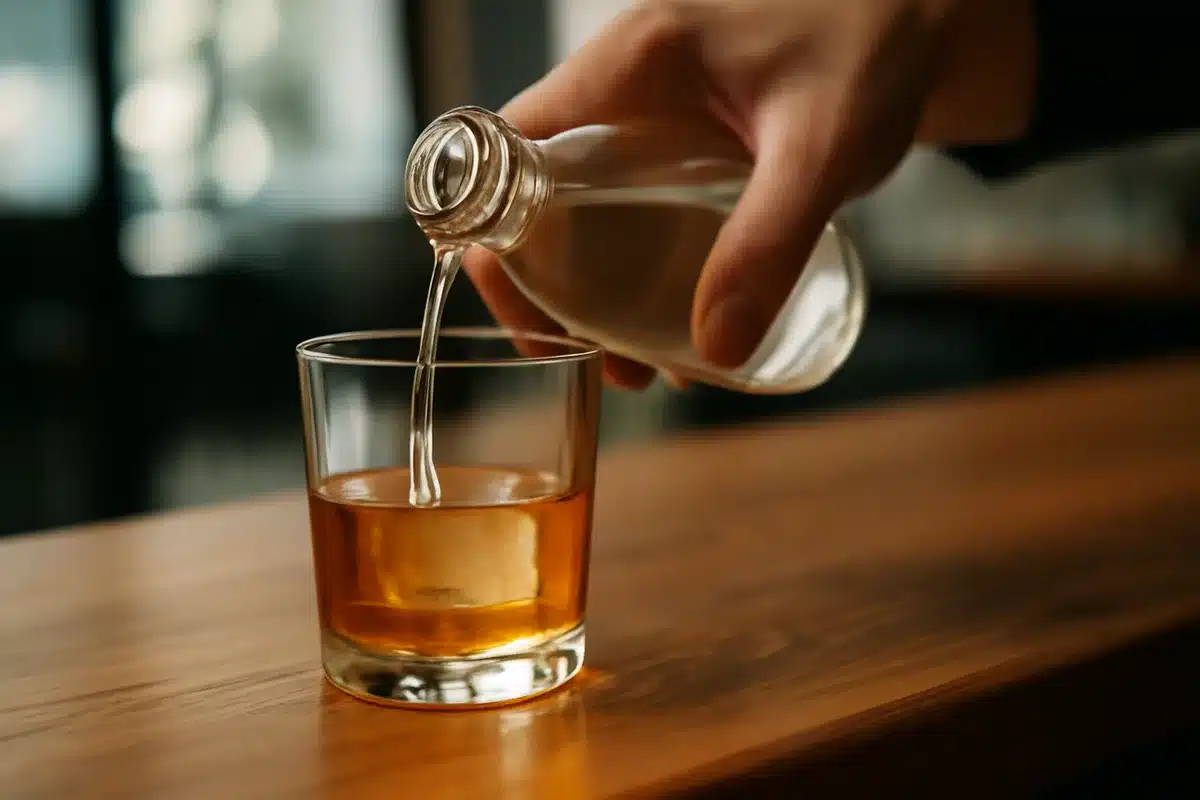
Adding water or ice changes the chemistry in the glass. A small amount of dilution can blunt the bite of ethanol and allow subtler notes—vanilla, caramel, spice, oak—to become more noticeable. For some high-proof expressions, a few drops of water are enough to unlock aromatics without masking character.
That doesn’t mean dilution always improves every bourbon; rather, it’s a tool. Swapping a sip neat for one with water should be treated as an experiment, not a faux pas. And there’s no rule barring premium bourbon from cocktails: if the drink tastes better to you, it’s the right choice.
How to approach a new bourbon
- Start small: take a modest first sip to let your palate adjust to the alcohol.
- Give it time: let the spirit rest in the glass and revisit it over the next 20–30 minutes to notice changes.
- Try micro-dilution: add a few drops of water with a spoon—observe how aromas and flavors shift.
- Test cold vs. room temp: a single ice cube will chill and dilute; compare with an undiluted sample.
- Don’t fear cocktails: using a favorite bourbon in a mixed drink is a matter of taste, not sacrilege.
| Serving style | What it does | When to choose it |
|---|---|---|
| Neat | Full flavor and aroma intensity; no dilution | If you want the spirit uncompromised and are comfortable with high alcohol presence |
| On the rocks | Cooling with gradual dilution; softens bite | If temperature and mellowness improve your enjoyment |
| With a few drops of water | Quick dilution that can reveal hidden aromatics | For high-proof bottles or when ethanol masks flavors |
| Cocktail | Mixes bourbon with complementary ingredients to highlight different facets | When you prefer a balanced, mixed-drink experience |
Ultimately, the most useful “rule” is patience. Let a pour settle, pay attention across multiple sips, and adjust with water or ice to discover how the whiskey evolves. Blatner notes that the first swallow often overemphasizes alcohol; waiting and sampling slowly reveals the spirit’s true profile.
For readers exploring bourbon now, the takeaway is practical: experiment without guilt, protect your enjoyment, and remember that tasting is a process rather than a single verdict. That shift in approach can make a substantial difference in what you get from a bottle—both in flavor and in value.
Irish whiskey: approachable bottles new drinkers should try today
Fishtown restaurants ranked: must-visit spots locals are raving about










