Show summary Hide summary
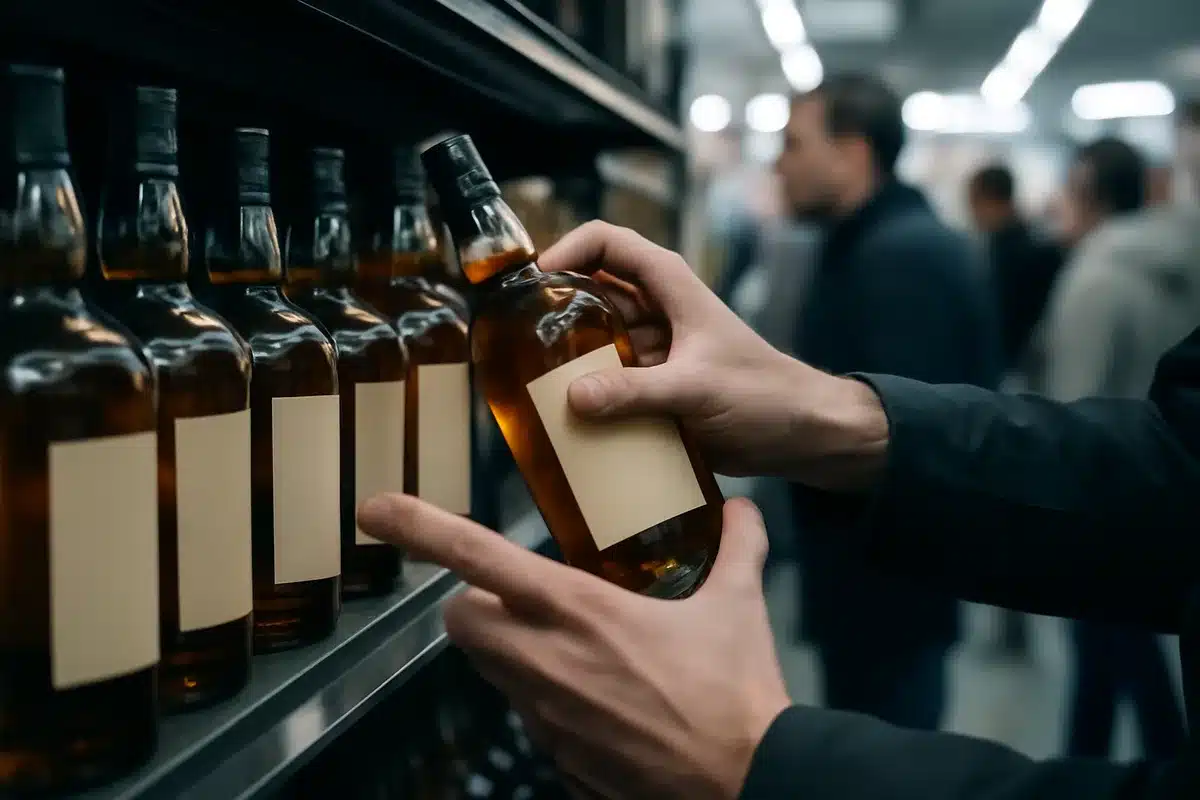
As bourbon releases get flashier and prices keep climbing, many buyers are spending more on scarcity than on taste. Whiskey expert Chris Blatner — the creator of the Instagram page @urbanbourbonist — warns that following the buzz can turn a rewarding purchase into an expensive regret.
Why chasing rarity often backfires
Latin food brands reshaping home kitchens: 4 companies bringing bold flavors and heritage
Frozen vegetables taste sweeter and cut prep time: the swap home cooks swear by
Bourbon collecting has become a high-profile hobby: limited runs, celebrity collaborations and auction-driven prices dominate conversations online. That attention can make rare bottles feel like safer bets, but rarity is not the same as quality.
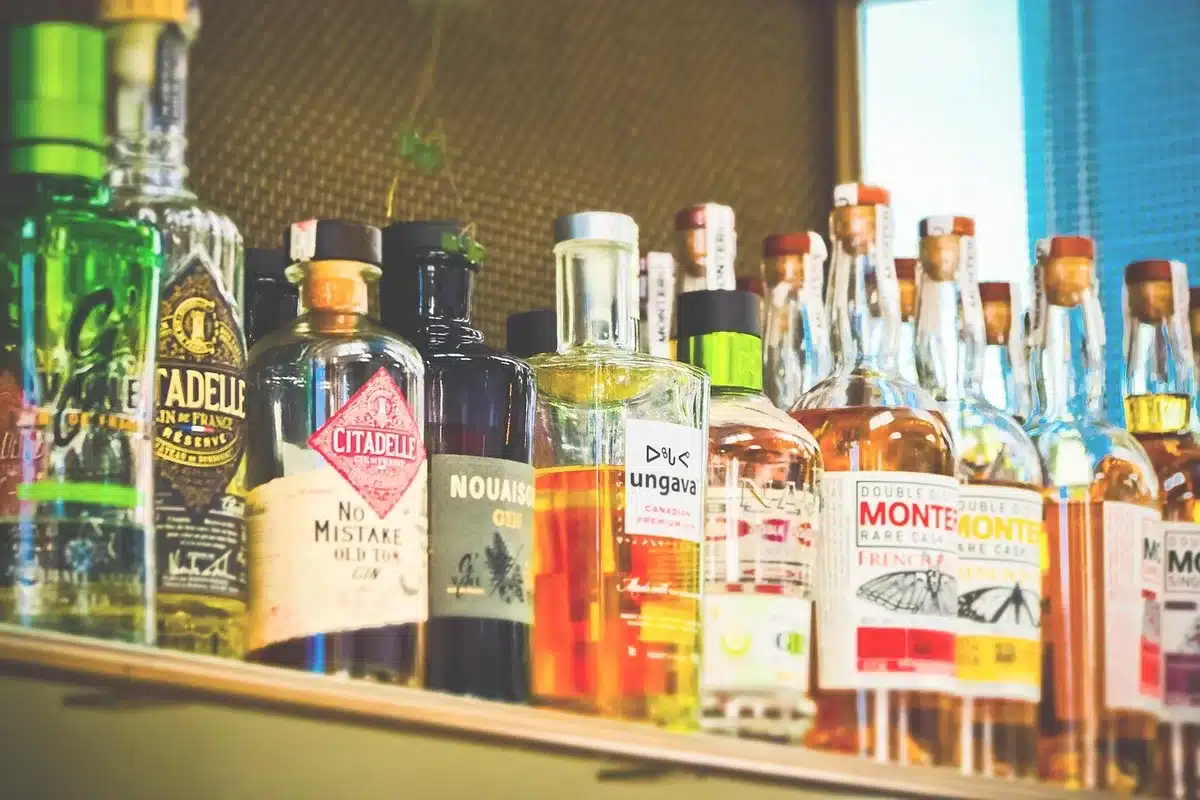
Blatner says that buying based on hype risks two predictable outcomes: paying a premium for something you may not enjoy, or ending up with a bottle that’s prized by collectors but offers little personal pleasure. In plain terms — a sought-after label does not guarantee it will suit your palate.
Find your taste before you buy
Instead of scanning forums for the next “must-have” drop, Blatner recommends figuring out the flavors you prefer first. Look at the bourbons you like now: note the distillery, the mash bill, the proof and any tasting notes that recur. Those data points will guide smarter choices.
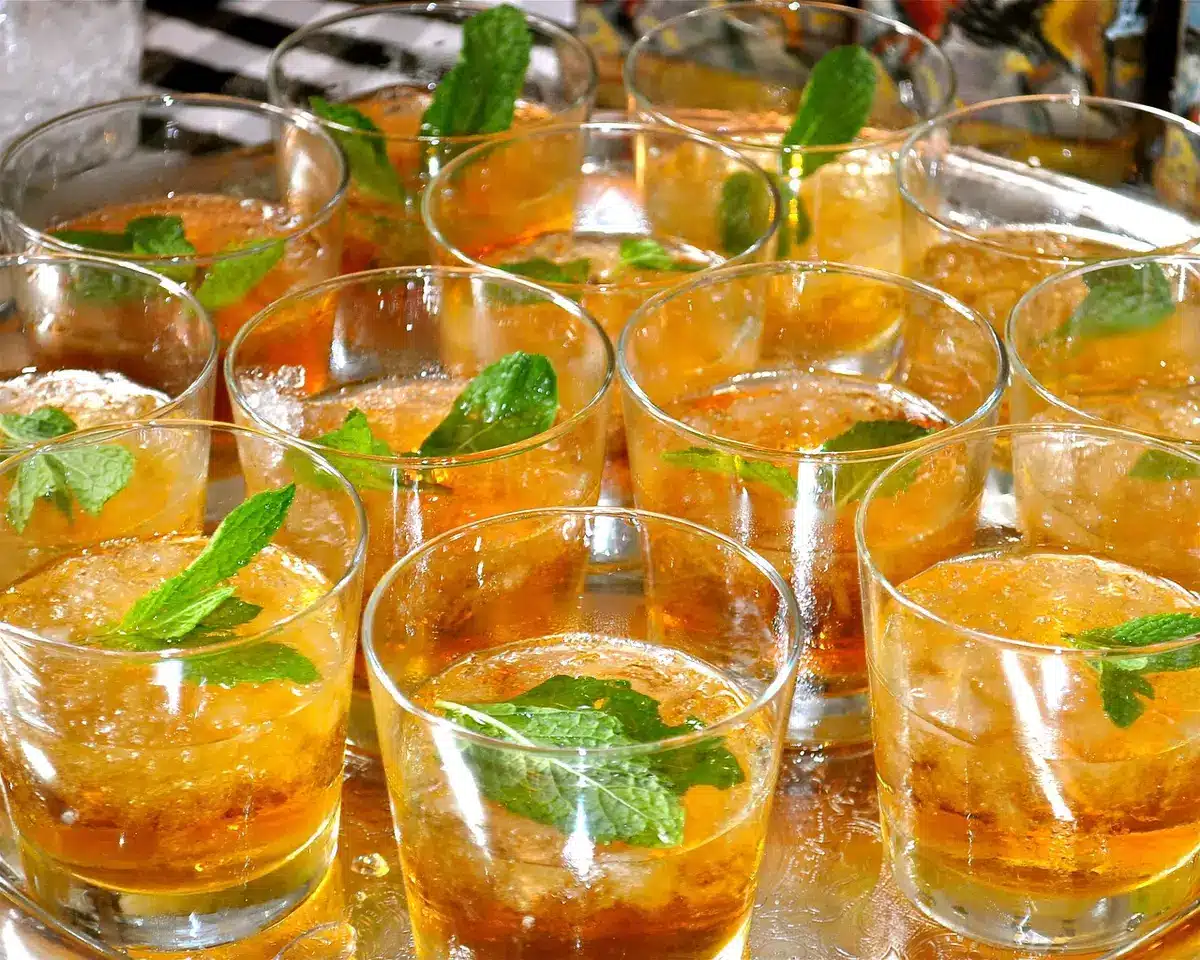
Sampling is the quickest route. Order a bourbon flight at a reputable bar, visit a distillery tasting room, or ask local retailers if they offer small pours. Many shops keep open bottles precisely so customers can test before committing to a full bottle.
It’s also worth rethinking assumptions about age. An older label or a big age statement doesn’t automatically mean superior flavor. Time in oak changes whiskey, but longer maturation can introduce unwanted tannins or mask the spirit’s original character.
Practical buying checklist
- Compare similar styles: rye-forward versus corn-forward — which do you enjoy?
- Sample first: flights, tastings, or split bottles reduce the risk of an unhappy purchase.
- Research the distillery and mash bills to spot patterns in bottles you like.
- Question hype: ask whether scarcity reflects production limits or genuine quality.
- Consider value: sometimes a widely available bottle offers better everyday drinking at a lower price.
Following these steps won’t stop every impulse buy, but it will tilt spending toward bottles you actually want to drink. As Blatner puts it, building a personal sense of taste is far more useful than chasing the next headline-making release.
For readers navigating crowded shelves this season, the simple rule is timely: buy bourbon for your palate, not for the label on the shelf.
Andy Puzder blasts White House over gas spike: doubts claim that relying on OPEC lowers emissions
Cheap American beer under $10: top 6-pack buys to stock up now