Show summary Hide summary
In recent conversations with bartenders working in a range of venues, from neighborhood dives to craft cocktail bars, a pattern emerged: small, harmless fabrications are part of keeping service moving and customers happy. Knowing these common bar “white lies” helps you read a room, order smarter, and avoid awkward moments when the bar is slammed.
| What the bartender says | Why they say it |
|---|---|
| “The blender is broken.” | Avoids noisy, time-consuming blended drinks when the bar is busy. |
| “No problem — I can make that.” | Bartenders may not know a rare recipe but will try to recreate it to keep service smooth. |
| “You don’t look like a tourist.” | A rapport-building line that makes visitors feel welcome and more engaged. |
| “We’re out of mint.” | Used to avoid labor‑intensive drinks—like mojitos—when staff are stretched thin. |
| “Sure, I’ll do a shot with you.” | Bartenders sometimes accept the social ritual while substituting nonalcoholic liquids to stay professional. |
| “The ref’s been a disgrace.” | A quick, shareable opinion to spark conversation with sports fans even if the bartender hasn’t watched the game. |
| “I’ll hook you up with a stronger pour.” | A little trickery with measured pours to keep management rules intact while pleasing a customer. |
| “I didn’t hear a thing.” | Selective hearing is part of discretion behind the bar; bartenders often tune out private conversations. |
“The blender is broken”
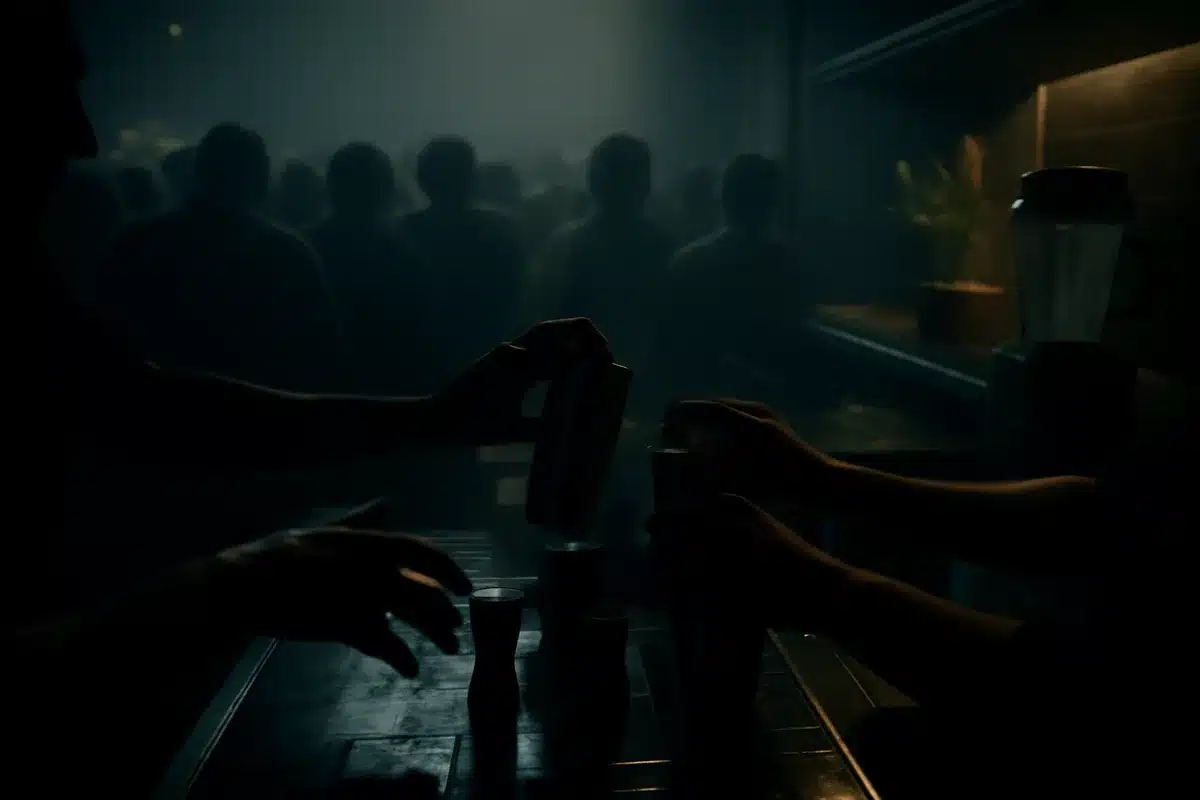
When a bar is crowded, asking for a frozen cocktail can derail a bartender’s workflow. Justin Morales, who has written about the hospitality industry, says staff will sometimes tell guests the blender isn’t working rather than interrupt a tightly choreographed service period.
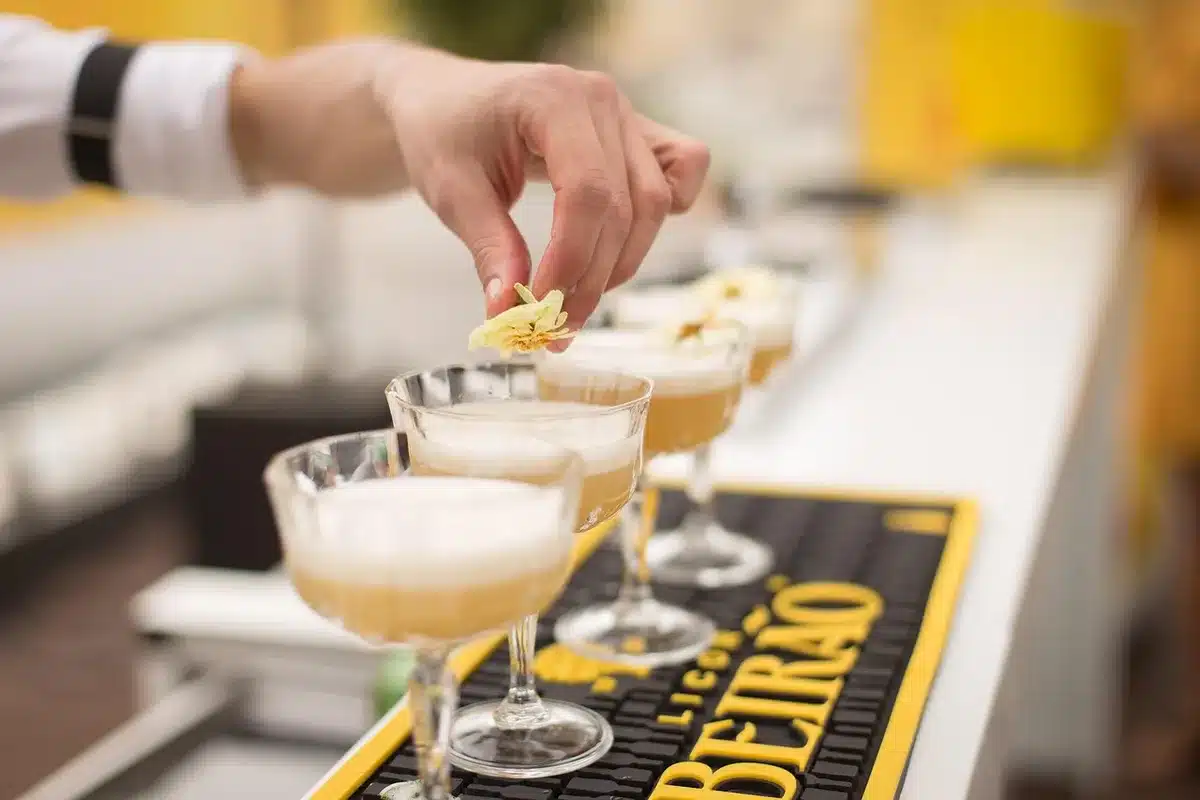
That claim usually translates to: making one blended drink would create noise and add several extra steps, slowing down orders for everyone. If the room is slammed, consider ordering something quicker to prepare — you’ll get served faster and keep the line moving.
“No problem — I can make that.”
Not every bar staple is in every bartender’s head. Alex Tremayne, a bartender in Arizona, explains that servers will often agree to a niche recipe they’ve never encountered rather than say they don’t know it.
Most of the time they can approximate, but if you want an exact rendition, it helps to list the ingredients. That small bit of guidance saves time and avoids the polite bluff that results in a drink that’s close but not quite what you expected.
“You don’t look like a tourist.”
In destination cities, bartenders may tell visitors they look local as a friendly ice-breaker. Phil Forbes, who manages a bar where Ludwig Rudnicki tends bar, says this line often makes tourists puff up with a little pride and sparks a longer conversation about their trip.
The goal is practical: building rapport keeps customers talking and lingering, which is good for business. So enjoy the compliment — it’s part hospitality as much as flattery.
“We’re out of mint.”
Mint is a common casualty of this kind of fib. Skylar Daley notes that bartenders will sometimes claim a shortage to avoid making mojitos or other garnish-heavy cocktails when the bar is busy.
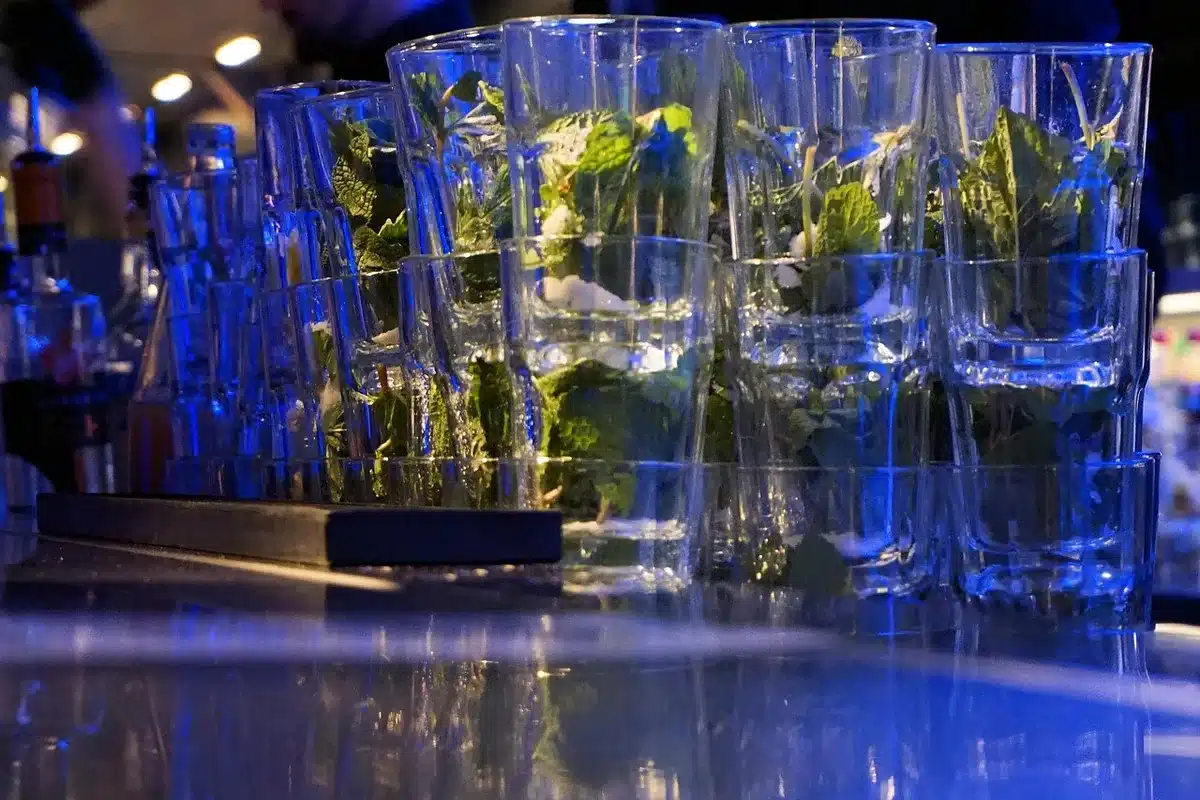
It isn’t always about stinginess; muddling herbs takes time and attention. Many bartenders simply prefer offering a different, quicker option that still tastes great.
“Sure — I’ll do a shot with you.”
Accepting a shot from a customer is a warm gesture, but it’s not always practical or safe for staff to actually drink on the job. Justin Morales says bartenders will sometimes participate in the ritual while substituting water or juice so they can toast without compromising their responsibilities.
This little sleight keeps the moment celebratory without interfering with service or safety.
“The ref’s been a disgrace.”
At sports bars, a definitive complaint about officiating is an easy way to bond with fans — even if the bartender hasn’t watched the match. Forbes shares that Rudnicki uses that line to pull customers into a shared rant, which often turns strangers into regulars for the night.
It’s a conversational shortcut: the bartender isn’t trying to lie about being a fan, they’re just creating a common ground for discussion.
“I’ll hook you up with a stronger pour.”
Some bartenders have learned small, discreet tricks to satisfy requests for a “stronger” drink while still following house rules. Erika Ellis describes using measured pours with a jigger and a timed extra-second technique that gives the impression of an extra hit without breaking policy.
It’s a compromise that keeps customers happy and staff compliant — a quiet bit of theater behind the bar.
“I didn’t hear a thing.”
Perhaps the most important line: bartenders develop selective hearing. Morales points out that, while staff overhear conversations every shift, most of the time they choose not to involve themselves unless someone’s safety is at stake.
That discretion is part of the job. Still, if you really need privacy, remember a crowded bar isn’t the safest place for sensitive talk — not every bartender will have the same boundaries.
Small white lies in bars usually aim to preserve pace, protect the staff’s ability to do their job, or create a warmer guest experience. If you want smoother service: speak clearly, avoid labor‑intensive orders during rushes, and be willing to swap to a simpler option. A little awareness goes a long way toward being the kind of customer bartenders appreciate.
Irish whiskey: approachable bottles new drinkers should try today
Fishtown restaurants ranked: must-visit spots locals are raving about