
Show summary Hide summary
If you like the rich, vanilla-and-spice profile of premium bourbons but balk at collector prices, there’s a practical alternative on store shelves. A widely available Kentucky staple now delivers many of the same tasting cues as a fancier single-barrel release — for a fraction of the cost and with broader accessibility.
Why this matters now
Supply constraints and premium pricing have pushed some single-barrel bottlings out of reach for everyday drinkers. That shift makes affordable, consistent options more relevant: they let home bartenders and casual enthusiasts enjoy classic bourbon flavors without hunting or overspending.
Caramel, butterscotch, toffee: how their differences affect your desserts
McDonald’s rebrands Twitter to honor Bubba Wallace after his first NASCAR Cup win
Both bottles bring a recognizable bourbon template — oak, caramel, vanilla and baking spices — but they arrive at that profile by different methods, and with distinct retail tags.
Single-barrel versus small-batch: the technical split
Bourbon law requires aging in new charred-oak barrels for at least two years, but producers take divergent approaches after that minimum. A single-barrel release is drawn from one individual cask and bottled without blending, which can create unique, sometimes variable expressions and usually raises the price. A small-batch bourbon is a controlled blend of several barrels designed to deliver a steady house profile across releases.
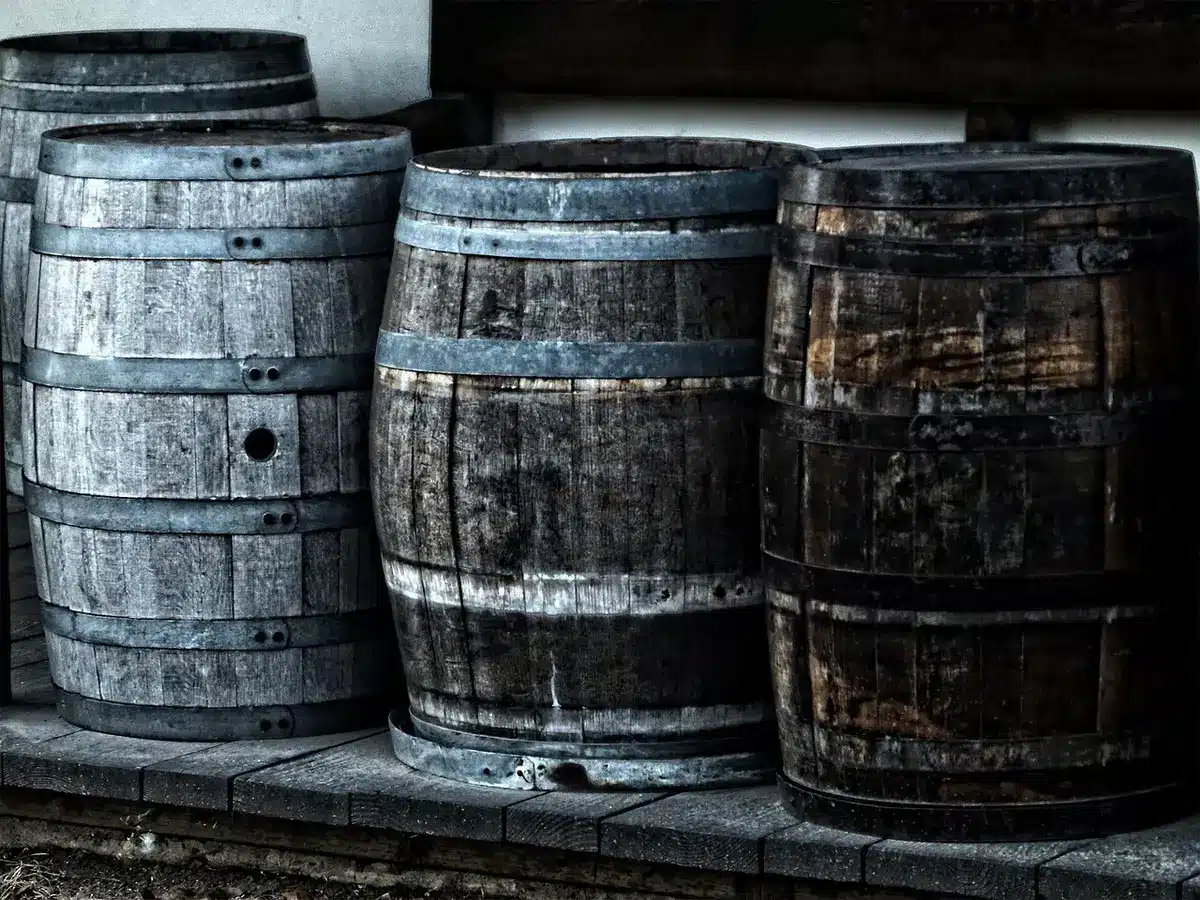
That distinction explains much of the gap between the two brands under discussion: one trades on singularity and collectibility, the other on consistency and value.
- Blanton’s Single-Barrel: Pioneering single-barrel bourbon introduced in the 1980s, often prized for its collectible bottle and slightly fruit-forward, char-driven character.
- Elijah Craig Small Batch: A blended small-batch bottling known for a round, full mouthfeel and a classic bourbon aroma of vanilla and caramel; widely distributed and priced for everyday purchase.
Taste, proof and price — a quick comparison
| Attribute | Blanton’s Single-Barrel | Elijah Craig Small Batch |
|---|---|---|
| ABV | About 46.5% | About 47% |
| Age | Varies by barrel; no uniform age statement | Typically finished from barrels aged roughly 8–12 years |
| Flavor highlights | Toasted vanilla, citrus peel, honey, baking spice, noticeable char | Vanilla bean, oak, caramelized sugar, nutmeg; warmer, rounder mouthfeel |
| Presentation | Distinctive bottle with horse-and-jockey stopper | Traditional bottle; unadorned and utilitarian |
| Typical retail price | Often well above $100 at retail; market-dependent | Commonly found in the mid-$20s to low-$30s |
Those numbers tell the practical story: you can find comparable proof and many overlapping tasting notes for far less money with the small-batch option. That makes it a reliable bottle for cocktails such as an Old Fashioned, or for casual sipping over ice.
What drinkers are saying
On social platforms and community forums, enthusiasts often praise the small-batch bottling as a dependable, textbook bourbon — one that holds up to a single large ice cube and won’t overpower a mixed drink. Collectors will still seek out the single-barrel for its variety and cachet, but many home bars lean toward the economical pick for everyday service.
Availability is also a factor. The single-barrel label can be sporadic or marked up in secondary markets, while the small-batch brand is typically easier to find and afford in most U.S. retailers.
In short: if your priority is flavor per dollar and versatility, the small-batch bourbon delivers. If you prize uniqueness and the story behind a single cask, the premium bottling remains the trophy. Both have a place — it just depends on what you want from the bottle tonight.
Irish whiskey: approachable bottles new drinkers should try today
Fishtown restaurants ranked: must-visit spots locals are raving about










