
Show summary Hide summary
The slow, precise ritual of making coffee at home has regained momentum, and one mid-century brewer is at the center of that revival. The glass carafe known for its hourglass silhouette is being rediscovered by both specialty cafés and home baristas for its combination of design and taste control.
From laboratory glassware to kitchen staple
Caramel, butterscotch, toffee: how their differences affect your desserts
McDonald’s rebrands Twitter to honor Bubba Wallace after his first NASCAR Cup win
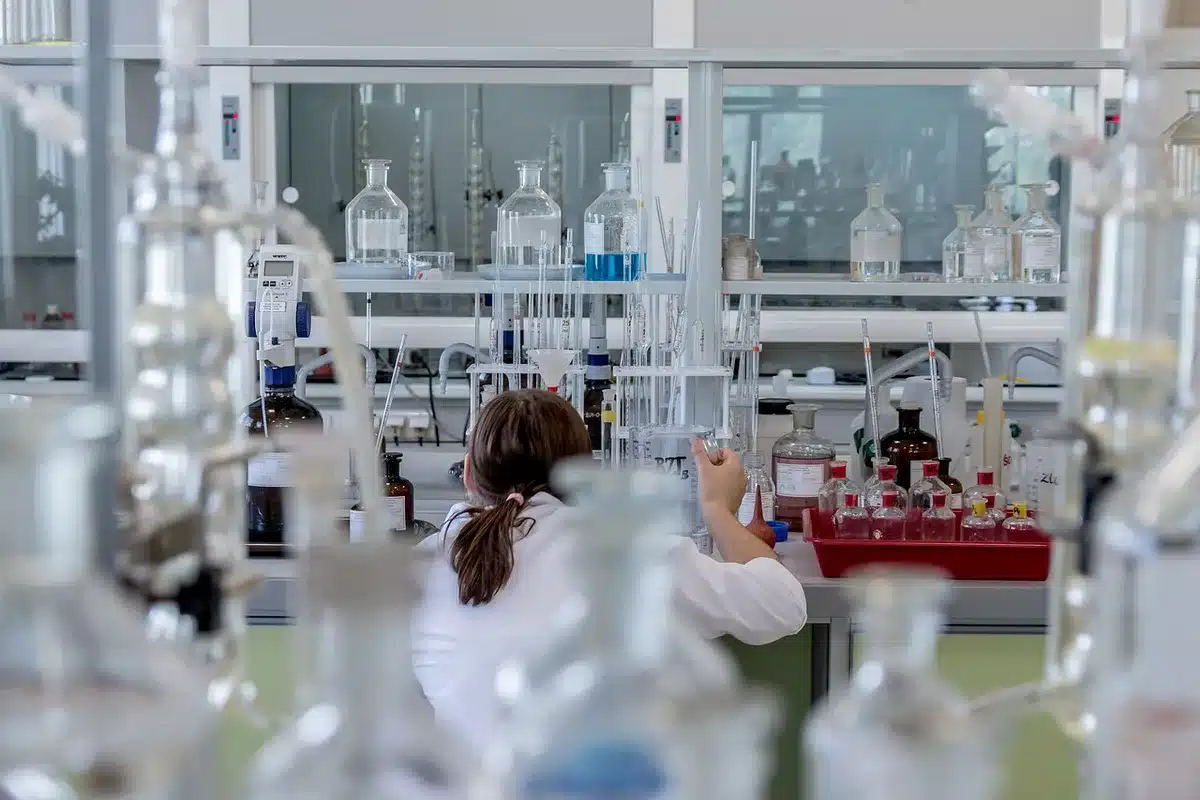
In 1941 a chemist translated laboratory techniques into a household object: a single-piece, heat-resistant glass brewer with a wooden collar for handling. Its inventor studied extraction and filtration closely, aiming to reduce bitterness and produce a clear cup. The result was a brewer that doubles as server and countertop object — a tool born out of science but prized for its aesthetic as much as its function.
Early supporters included major department stores and museum curators; the brewer eventually appeared in the collections of design institutions and in mid-century popular culture. But mainstream coffee habits shifted toward faster machines, and the pour-over approach receded for decades.
The comeback and what it means now
Interest in meticulous brewing returned with the third-wave coffee movement of the 2000s, which prioritized bean origin, extraction technique, and clarity of flavor. Specialty shops began to favor manual brews again, and demand for this particular glass brewer climbed, especially during periods when people were brewing more at home.
That revival matters today because it reflects broader changes: consumers are choosing slower rituals, valuing transparency in ingredients and process, and treating kitchen gear as long-term, repairable design rather than disposable commodity. For readers, that translates into a small but tangible way to influence daily taste, waste, and even how much you learn about coffee fundamentals.
What the brewer delivers — and what it asks for
Compared with automatic methods, this brewer produces a cup with less sediment and a lighter body. The built-in geometry increases water-bean contact, while thick paper filters trap oils that would otherwise add heaviness.
But it is not a push-button solution. The thicker filters slow extraction, so water temperature, grind size, and pouring technique all matter. Expect a more deliberate process — and a steeper learning curve than with drip machines.
- Clean, bright cup: Filtered oils and slower extraction favor clarity of flavor.
- Design-forward: Heat-resistant glass and a wooden collar make it both functional and decorative.
- Requires technique: Consistent pours, correct grind, and patience improve results.
- Higher per-brew time: Pour-over sessions take longer than automatic drip but reward attention.
Quick tips for better brewing
Small adjustments change the outcome significantly. Control and consistency are the points of leverage for a better cup.
- Use a medium-coarse grind — finer grinds risk over-extraction with the thick filters.
- Heat water to about 195–205°F (90–96°C) for optimal extraction.
- Wet the filter before brewing to remove paper taste and preheat the vessel.
- Pour in slow, concentric motions to maintain an even extraction.
Why designers, collectors and coffee lovers still care
Beyond taste, the brewer occupies an intersection of industrial design history and modern coffee culture. It’s an object that communicates a certain approach to the ritual of coffee — careful, hands-on, and quality-focused. Museums and television have preserved its cultural footprint, and a new generation of drinkers has embraced it as both a brewing method and a statement about how they consume daily rituals.
For anyone interested in reducing single-use pods, learning the fundamentals of extraction, or owning an enduring piece of kitchen design, it’s worth trying. It won’t replace every morning when you need speed, but it rewards the moments when you want a quietly excellent cup.
Irish whiskey: approachable bottles new drinkers should try today
Fishtown restaurants ranked: must-visit spots locals are raving about