

Show summary Hide summary
When time is tight and the kitchen deserves a break, sheet-pan dinners answer with efficiency and flavor. These one-tray meals cut prep and cleanup, letting home cooks deliver a balanced dinner on weeknights without sacrificing taste or nutrition.
Why sheet-pan meals are practical right now
As households juggle longer workdays, school schedules and tighter budgets, solutions that save both time and energy matter more than ever. A single-sheet method reduces the number of pots and pans, shortens active cooking time, and can lower utility use by keeping the oven running once for multiple components.
Caramel, butterscotch, toffee: how their differences affect your desserts
McDonald’s rebrands Twitter to honor Bubba Wallace after his first NASCAR Cup win
Beyond convenience, sheet-pan cooking is adaptable: swap proteins, vegetables and seasonings to suit what’s in season or what’s on sale. That flexibility makes these dinners a sensible response to grocery-price volatility and the push for simpler weeknight routines.
Building a reliable sheet-pan dinner
The basic idea is straightforward: pair a protein with vegetables that cook at similar temperatures, arrange them on a rimmed baking sheet, add a finishing sauce or glaze, and roast at medium-high heat until everything is done. But a few small choices separate an OK tray bake from a memorable one.
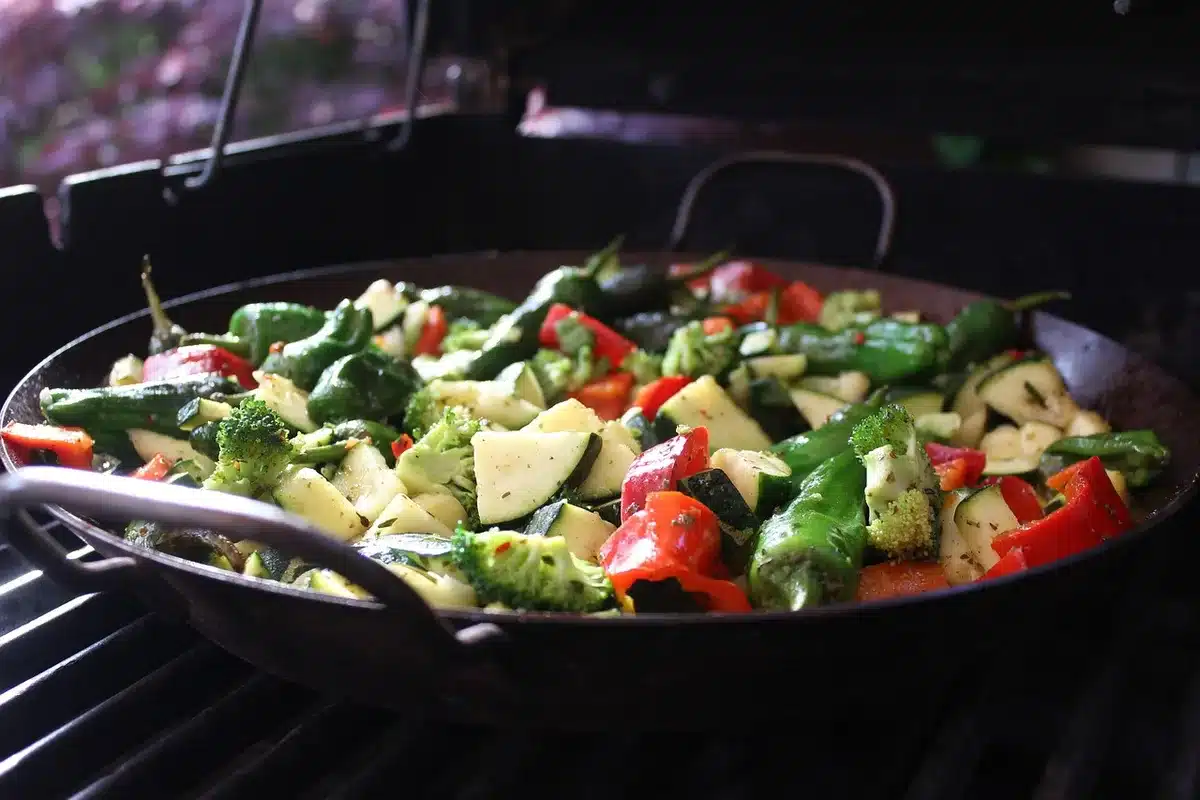
- Cut size matters: Chop ingredients into even pieces so they finish at the same time.
- Oil and heat: A light coating of oil and a hot oven (400–450°F / 200–230°C) encourage browning and caramelization.
- Stagger cooking: Dense vegetables (like potatoes or carrots) can go on the sheet earlier than quick-cooking items (like asparagus or cherry tomatoes).
- Finish with flavor: A bright squeeze of lemon, a sprinkle of herbs, or a simple glaze turns roasted ingredients into a composed plate.
Quick-reference: sheet-pan ideas to try tonight
| Meal | Main ingredients | Cook time | Why it works |
|---|---|---|---|
| Honey-sesame salmon | Salmon fillets, broccoli, red onion | 15–18 min | Rich protein cooks fast; broccoli crisps while salmon glazes |
| Chicken thighs & root veg | Bone-in thighs, potatoes, carrots, rosemary | 35–40 min | Dark meat stays juicy; starchy veg roast to caramelized edges |
| Roasted sausage and peppers | Smoked sausage, bell peppers, onions, garlic | 25–30 min | High-heat roasting deepens savory flavors; minimal prep |
| Mediterranean chickpeas & eggplant | Chickpeas, eggplant, cherry tomatoes, feta | 28–32 min | Vegetarian, fiber-rich, finishes with fresh herbs and cheese |
| Sheet-pan shrimp fajitas | Shrimp, peppers, onions, lime | 10–12 min | Shrimp cooks quickly; serve with tortillas and toppings |
Practical tips for cleanup and storage
One tray does not mean no care: the right approach will preserve your sheet pan and make the next meal easier.
- Line the pan with parchment or a reusable silicone mat to cut cleanup time and protect nonstick surfaces.
- Soak the sheet briefly after use if stuck-on bits remain; hot water and a gentle scrub are usually enough.
- Portion leftovers into shallow containers within two hours of cooking and refrigerate for up to four days.
- Reheat in the oven or toaster oven when possible to preserve texture; microwaving can make roasted vegetables soggy.
Sheet-pan dinners are not a one-size-fits-all solution, but their combination of speed, versatility and low cleanup makes them particularly useful for modern weeknights. With a little planning—matching cook times, using bold flavors and finishing elements—home cooks can rely on one-tray meals to deliver balanced, satisfying dinners without the pile of dishes that often follows.
Irish whiskey: approachable bottles new drinkers should try today
Fishtown restaurants ranked: must-visit spots locals are raving about










