

Cloudy ice doesn’t have to be the norm for your home cocktails. A straightforward, science-based freezing approach produces the same crystal-clear, slow-melting blocks seen in upscale bars—no special equipment required beyond a common freezer and an insulated container.
The reason this matters now: as home mixology and high-quality spirits grow in popularity, the way ice interacts with drinks affects both flavor and appearance. Clear ice melts more slowly and looks better in photos and glasses, so it changes how cocktails taste and how people experience them.
How cloudiness forms — and why directional freezing works
Caramel, butterscotch, toffee: how their differences affect your desserts
McDonald’s rebrands Twitter to honor Bubba Wallace after his first NASCAR Cup win
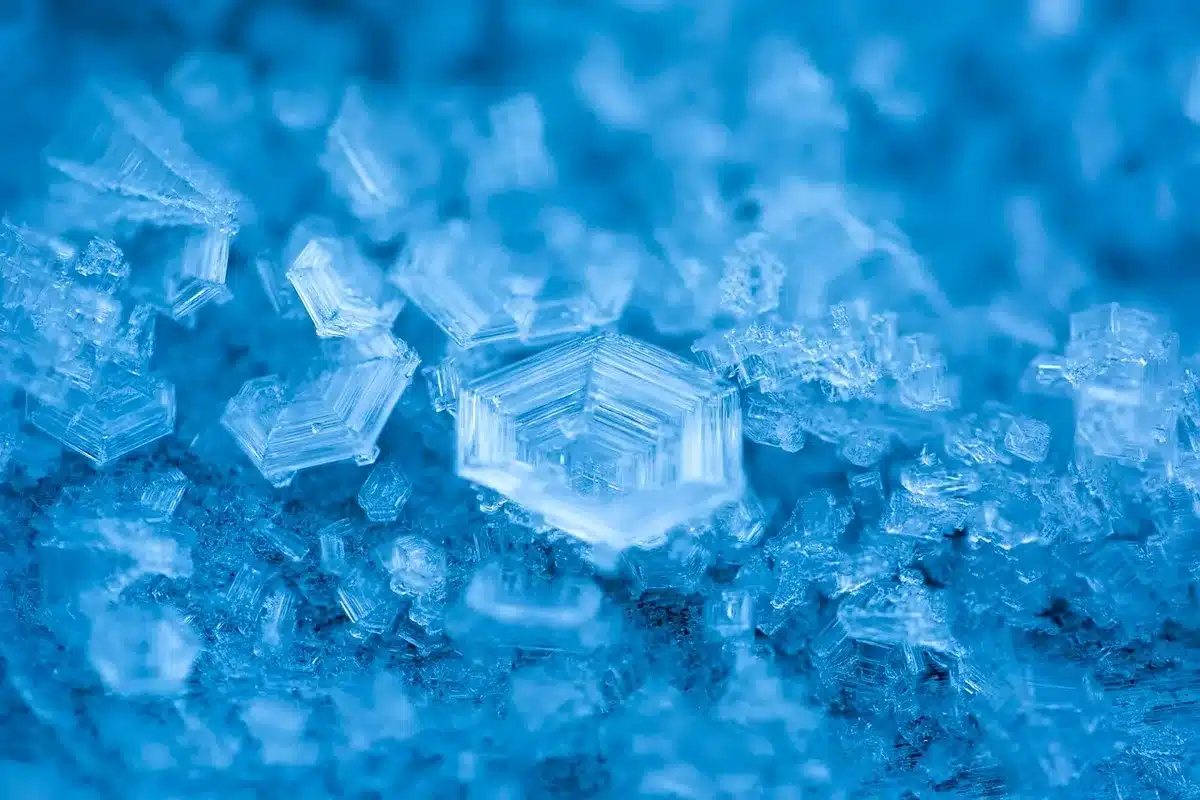
Ice turns cloudy when dissolved minerals and tiny air bubbles become trapped as water freezes from all sides. Those inclusions and internal fractures increase surface area and create more contact between drink and ice, accelerating dilution.
By contrast, freezing water in a controlled, top-down way — known as directional freezing — forces impurities and air to migrate away from the freezing front. The result is a clear top layer of ice; the less-clear portion can be removed or discarded.
Make clear ice at home: step-by-step
- Choose water: start with distilled or thoroughly boiled water to reduce dissolved minerals and trapped air.
- Pick a container: use a small, insulated cooler or rigid plastic container that fits in your freezer. Leave the lid off.
- Pour and position: fill the container and set it in the freezer on a level surface. The insulation slows side and bottom freezing, encouraging a top-down freeze.
- Freeze partially: allow the water to freeze for 18–36 hours, depending on size. Stop before it freezes solid if you want to discard cloudy portions.
- Remove and finish: take the block out, chip or saw away any cloudy base, and cut or mold the clear portion into cubes or spheres.
- Store properly: keep finished clear ice in a sealed bag in the freezer to prevent frost and odor pickup.
Quick comparison
| Feature | Cloudy ice | Clear ice |
|---|---|---|
| Appearance | Opaque, white centers and fissures | Transparent, glass-like |
| Melting behavior | Faster, due to microfractures and trapped air | Slower, with larger intact surfaces |
| Best use | Everyday cooling, blended drinks | Stirred or on-the-rocks cocktails, presentation |
Practical tips and safety notes
For neat, bar-style results, use a serrated knife or ice pick with caution and protect your hands. Silicone molds or specialized trays can simplify shaping if you prefer not to saw blocks. Expect some trial and error—the size of the container, freezer temperature, and water quality all affect the outcome.
Also remember that perfectly clear ice requires time and a small upfront effort. If speed is essential, clear-purpose molds and commercial clear-ice makers remain options, though they represent a higher investment.
What this means for drinkers: clearer ice keeps cocktails cooler and less diluted for longer, while improving presentation. As at-home cocktail culture matures, mastering simple techniques like directional freezing delivers a measurable lift—both in taste and in the small, satisfying ritual of crafting a better drink.
Irish whiskey: approachable bottles new drinkers should try today
Fishtown restaurants ranked: must-visit spots locals are raving about










