Show summary Hide summary
If you’ve ever stared at a row of Champagne bottles and wondered why “Extra Dry” sometimes tastes sweeter than “Brut,” you’re not alone. That label quirk matters when you’re buying for a celebration, pairing with food, or simply trying to match your palate to the bottle.
Only sparkling wines produced in France’s Champagne region using the traditional method can legally bear the name Champagne. One key factor that shapes the taste and label is the dosage — a small addition of sugar dissolved in wine added just before corking that determines how sweet the finished bottle will be.
How the labels can mislead
Caramel, butterscotch, toffee: how their differences affect your desserts
McDonald’s rebrands Twitter to honor Bubba Wallace after his first NASCAR Cup win
At first glance the French terms look straightforward, but their literal meanings don’t line up with sweetness. Brut suggests dryness, and it is dry, but not the driest style. Paradoxically, a bottle labeled Extra Dry often contains more residual sugar and will taste fruitier or rounder on the palate.

Tasting notes tend to reflect those differences: bottles in the Brut range usually present crisp citrus, green apple and a chalky finish, while those labeled Extra Dry often show riper stone-fruit or honeyed accents and a softer mid-palate because of the higher dosage.
- Brut Nature / Brut Zéro — no added sugar (0 g/L); bone-dry, incisive acidity.
- Extra Brut — very low dosage (0–6 g/L); near-dry with subtle richness.
- Brut — low dosage (0–12 g/L); the most commonly produced style, balanced and fresh.
- Extra Dry — moderate dosage (12–17 g/L); noticeably fruitier and slightly sweeter than Brut.
- Sec — sweeter (17–32 g/L); pronounced sweetness despite the name meaning “dry.”
- Demi-Sec — quite sweet (32–50 g/L); often paired with desserts.
- Doux — the sweetest category (50+ g/L); unmistakably sugary.
Practical buying tips
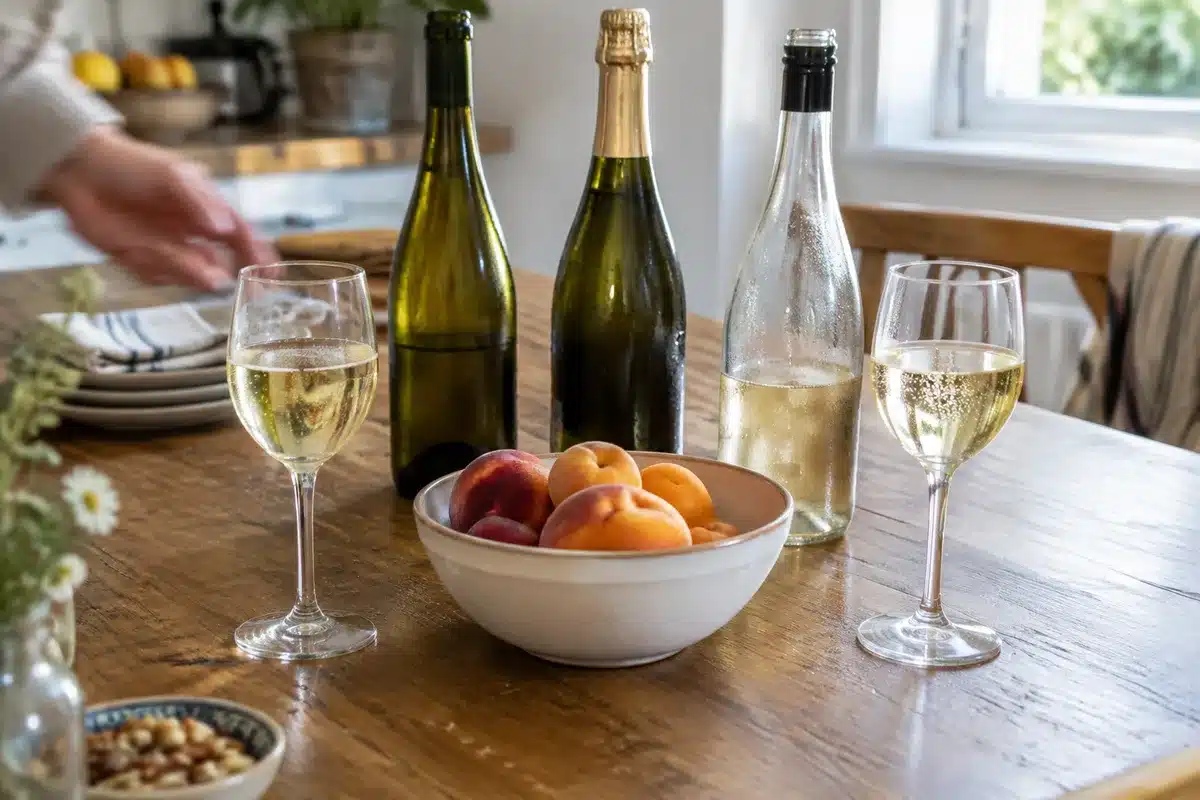
When choosing Champagne for an event or meal, focus on dosage ranges rather than literal translations. For a clean, food-friendly bottle that pairs well with seafood, salty snacks or light appetizers, reach for a Brut or Extra Brut. If you want something rounder to stand up to richer starters or fruit-based desserts, an Extra Dry or Demi-Sec may be a better fit.
Labels don’t always spell out grams per liter, but many producers do list the dosage or the technical term. If you need precision, ask the retailer or consult producer notes online — it’s the most reliable way to know what’s in the bottle.
In short: the wording on Champagne bottles serves tradition more than plain language. Understanding the role of dosage will save you from surprises and help you select a bottle that matches the occasion and your taste.
Irish whiskey: approachable bottles new drinkers should try today
Fishtown restaurants ranked: must-visit spots locals are raving about