Show summary Hide summary
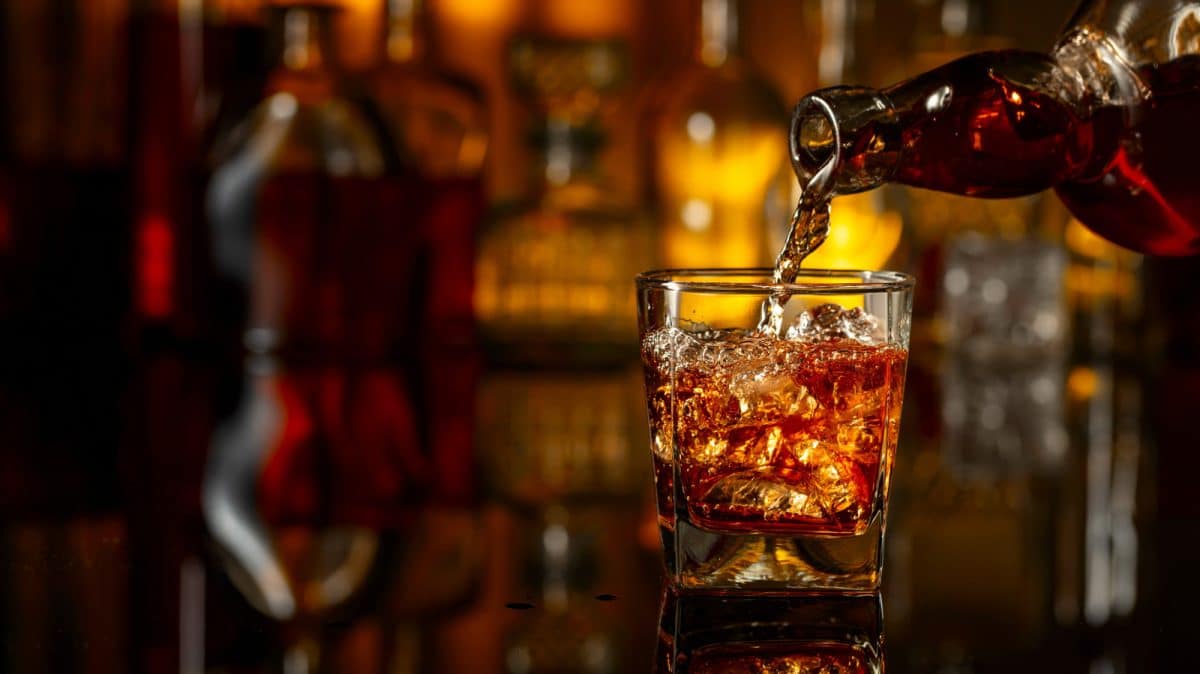
A modest bottle on the bottom shelf carries more American lore than its price tag suggests. Old Overholt rye has threaded through U.S. history from 19th-century Pennsylvania farms to the saloons of the frontier, and it’s resurfacing now as drinkers and bartenders rediscover classic spirits and cocktails.
In Tombstone, Arizona, where names like Doc Holliday and Wyatt Earp define the mythology of the Old West, bottles of Old Overholt often appear in period accounts and bar-room stories. The connection is partly cultural: in the late 1800s, the brand was one of the most widely available ryes on the market, so it would have been a common whiskey in frontier saloons. Historians note, however, that Earp’s own relationship with alcohol is debated; some evidence suggests he preferred abstention late in life, while other accounts link him to the spirit through the saloons he operated.
From farmhouse mash to national brand
The whiskey began at a small estate near Pittsburgh, in a community called West Overton. The family behind it—originally Oberholtzer—were German Mennonite farmers who made a rye distillate on the homestead. In 1810, Abe Overholt turned this household recipe into a commercial product, establishing what would become America’s oldest continuously marketed whiskey name.
Caramel, butterscotch, toffee: how their differences affect your desserts
McDonald’s rebrands Twitter to honor Bubba Wallace after his first NASCAR Cup win
Production grew quickly. Pennsylvania’s fertile rye fields and emerging railroad networks made large-scale distribution possible. By the late 19th century the distillery was producing at industrial scale and the whiskey found customers across the country, from eastern cities to western frontier towns.
Ownership and scale shifted over time: the business eventually passed into the hands of industrialist Henry Clay Frick, and the brand weathered dramatic national changes in spirit regulation. Notably, Old Overholt secured federal permission to keep producing during Prohibition under the medicinal-license system that allowed a handful of distillers to operate legally.
Today the label sits in a curious place: widely available and inexpensive, yet carrying layers of historical resonance that appeal to collectors, cocktail enthusiasts, and tourists retracing frontier routes.
What it tastes like and why bartenders use it
Old Overholt is a distinctly rye-driven whiskey. It’s typically bottled at just over 40% ABV and is aged a minimum amount that gives it moderate depth without the heavy oak of older bourbons. Tasting notes commonly cite peppery spice up front, with hints of fruit and vanilla, and a finish that leans toward baking spices and darker fruit tones. That profile makes it a practical choice for classic cocktails that call for rye.
Its affordability and straightforward flavor explain why it remains a go-to in many bars—especially those aiming for historically grounded lounges or frontier-themed menus. Mixologists often reach for it in Manhattans and Old Fashioneds when they want rye character without a high price point.
- Origin: West Overton, Pennsylvania; family recipe commercialized in 1810.
- Historical moment: Industrial-scale production in the late 1800s; continued operations under federal permits during Prohibition.
- Taste profile: peppery spice, fruit and vanilla notes, baking-spice finish.
- Proof: roughly 43% ABV (slightly over 40%).
- Cultural links: Associated with frontier figures like Doc Holliday and Wyatt Earp; reportedly favored by public figures in later decades.
- Price position: commonly found at the lower end of rye price tiers, popular for cocktails and everyday drinking.
For readers interested in the intersection of food, history and culture, Old Overholt offers a tangible link to America’s past that’s still easy to find on today’s shelves. Whether you’re visiting historic towns with whiskey on the bar or experimenting with a classic rye cocktail at home, the bottle provides both a budget-friendly option and a story worth sipping.
Irish whiskey: approachable bottles new drinkers should try today
Fishtown restaurants ranked: must-visit spots locals are raving about