Show summary Hide summary
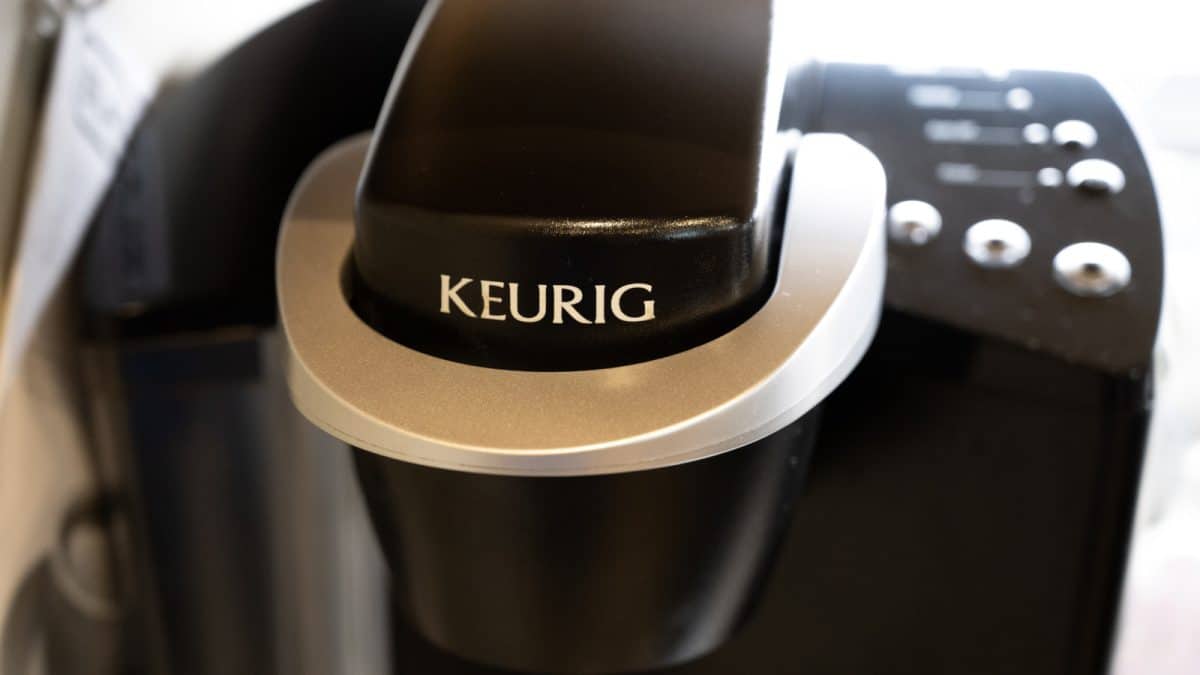
New research into single-serve coffee systems is raising fresh questions about what ends up in the cup alongside your caffeine. Scientists are increasingly finding tiny fragments of plastic in pod-brewed coffee — a detail that matters now as millions of consumers rely on Keurig and similar machines each morning.
How plastic can get into your coffee
At the center of the issue are K-Cup style pods, typically made from plastic such as polypropylene. When a machine forces hot water through a plastic container under pressure, microscopic particles can detach and travel with the brewed liquid. Those particles fit the common definition of microplastics — tiny pieces of plastic less than 5 millimeters across.
Caramel, butterscotch, toffee: how their differences affect your desserts
McDonald’s rebrands Twitter to honor Bubba Wallace after his first NASCAR Cup win
Laboratory tests and a handful of consumer-focused studies have detected microplastics in beverages prepared from plastic pods. The amount reported varies widely depending on testing methods and the pod designs examined; some estimates suggest only a handful of particles per cup, while others find larger counts when temperature, pressure or pod condition change.
What this means for health and the environment
Microplastics have been identified in a broad range of foods and beverages, from bottled water to seafood. Researchers have only recently shifted attention from ecological impacts to human exposure, so the picture remains incomplete.
Current evidence does not offer a clear, long-term health verdict. Still, experts point to two concerns: the physical presence of particles in the body, and the chemical payload that may accompany them. Plastics can carry additives and impurities — some of which are suspected to interfere with hormonal systems — and those chemicals are part of why scientists urge caution.
The environmental argument is more straightforward. Disposable plastic pods contribute to waste streams that are difficult to recycle, and compositional issues mean many pods end up in landfills or incinerators.
Practical choices for coffee drinkers
You don’t need to discard your machine overnight, but several realistic options can reduce both plastic waste and potential exposure to microplastics.
- Replace single-use plastic pods with compostable or certified biodegradable pods from reputable brands.
- Use a reusable pod made from stainless steel or other non-plastic materials when compatible with your brewer.
- Switch to manual brewing methods — French press, pour-over, moka pot or traditional espresso — which avoid pod plastics entirely.
- Prioritize brands that publish third‑party tests or clear material disclosures if you continue to buy pods.
- Reduce reliance on ultra-hot, high-pressure brewing where feasible, since heat and pressure can increase particle release (but follow your machine’s safety guidelines).
Each approach balances convenience, flavor and sustainability differently. For some people, a reusable stainless pod is an easy swap; others prefer changing their whole brewing ritual.
What to watch for next
Expect more studies and clearer guidance over the coming months and years. As researchers refine measurement techniques and regulators take a closer look at plastic in food-contact materials, consumers will likely see stronger labeling standards and more non-plastic alternatives on the market.
For now, the pragmatic takeaway is simple: if plastic waste or uncertainty about microplastics concerns you, there are readily available brewing methods and pod alternatives that eliminate or reduce exposure. If you prefer the convenience of pod coffee, choosing reusable or certified compostable options offers a compromise that addresses both environmental and potential health worries.
Keeping an eye on new research and company transparency will help you make informed choices as the science develops.
Irish whiskey: approachable bottles new drinkers should try today
Fishtown restaurants ranked: must-visit spots locals are raving about