Show summary Hide summary
As peak crab season reaches restaurants and markets, cooks and diners are rediscovering the pleasures of shellfish dishes that range from gooey, cheese-studded dips to hands-on, sauce-splattered classics. What’s on plates now matters: supply shifts and menu trends are changing how people eat crab at home and in restaurants this summer.
Why crab is showing up everywhere this season
Coastal kitchens are leaning into bold, tactile preparations that invite communal eating — think finger-licking sauces and shareable platters. At the same time, supply constraints and higher wholesale prices have nudged some chefs toward richer preparations that stretch crab meat without losing flavor.
Caramel, butterscotch, toffee: how their differences affect your desserts
McDonald’s rebrands Twitter to honor Bubba Wallace after his first NASCAR Cup win
For readers, that means more creative options on menus and a chance to try elevated home recipes that emphasize texture and umami over mere abundance.
Signature styles catching diners’ attention
Expect a mix of comfort-forward dishes and regional classics. Street-food style preparations — messy, fragrant and best eaten with napkins on hand — are particularly popular right now. At finer dining establishments, chefs favor composed plates where crab’s sweetness is balanced by acid, smoke, or spice.
- Chili crab: A Southeast Asian favorite where sticky, spicy tomato-based sauce coats whole or piled crab; messy but unforgettable.
- Crab cakes: Pan-seared patties that vary from lump-heavy and delicate to boldly spiced and crispy.
- Crab stew: Slow-simmered pots that marry crab with aromatics and broth for a rich, spoonable course.
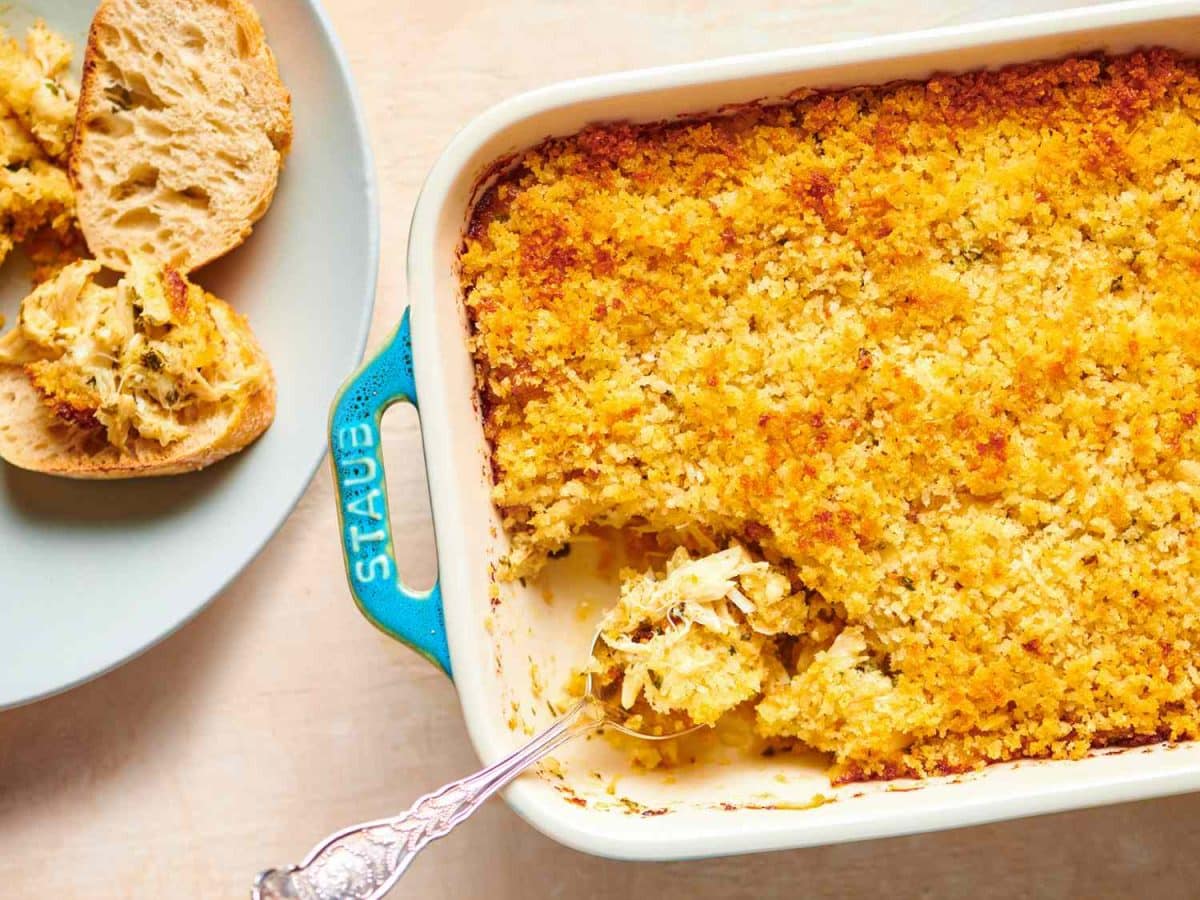
- Molten crab dips: Warm, cheesy starters designed for sharing and often finished under a broiler for a caramelized top.
- Soft-shell and fried preparations: Quick, crunchy ways to showcase the whole crab when seasonal molting allows.
How to choose crab at market or on a menu
Look for clear labeling when buying: the species, origin and whether the crab was wild-caught or farmed affect flavor and price. If you’re ordering out, don’t hesitate to ask how the crab was sourced — restaurants increasingly trace their seafood and can say whether it’s local, imported, or from a certified fishery.
Storage basics: keep cooked crab chilled and use within two days; refrigerate raw crab on ice and plan to cook it within 24 hours. People with shellfish allergies should avoid cross-contact risks in restaurants and at home.
| Type | Flavor profile | Best uses |
|---|---|---|
| Blue crab | Sweet, delicate | Crab cakes, chili crab, soft-shell frying |
| Dungeness | Buttery, slightly briny | Stews, whole steamed crab, salads |
| Snow/King | Meaty, firm | Snow crab legs, cold dishes, pasta |
At-home cooking: simple moves that elevate crab
Cooks can stretch a little crab meat a long way. A few strategies that work: add roasted garlic for depth, finish with citrus or vinegar to brighten richness, and reserve the shells for a quick stock to boost soups and stews. For texture contrast, pair tender crab with crispy elements — a golden sear on a cake, toasted breadcrumbs, or charred corn.
Heat safety tip: for reheating cooked crab, use gentle methods (steaming or low oven) to avoid drying the meat. When preparing raw crab, ensure it reaches a safe internal temperature and that utensils are not cross-contaminated.
Where to try standout crab dishes this summer
Small, coastal restaurants remain the best places to find local specialties, but metropolitan tasting menus are also featuring crab in inventive courses. Farmers’ markets and fishmongers can be unexpected sources for fresh, seasonal crabs if you prefer to cook at home.
For adventurous eaters, communal crab boils and pop-up seafood events provide a social way to sample multiple preparations without committing to a single restaurant.
Whatever you choose, the current season is offering a reminder: crab dishes reward hands-on eating, bold sauces and modest technique. They’re less about quantity and more about balance and texture — and right now that approach is shaping menus across regions.
Irish whiskey: approachable bottles new drinkers should try today
Fishtown restaurants ranked: must-visit spots locals are raving about