
Show summary Hide summary
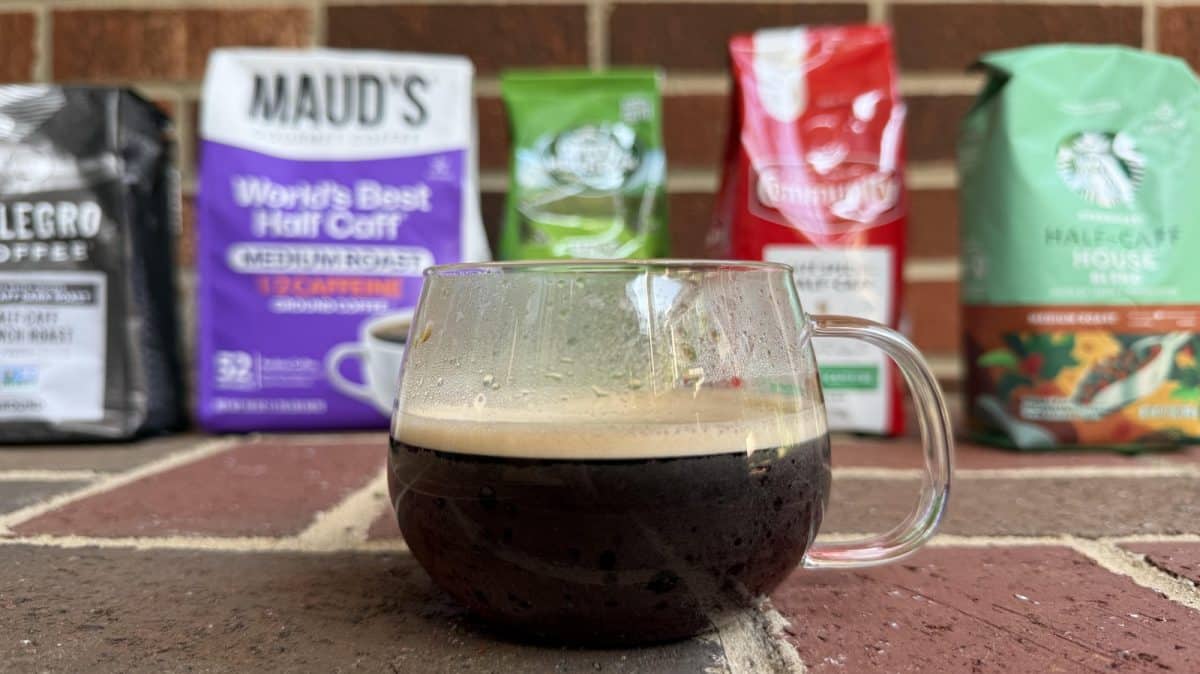
A recent blind tasting of nine half-caffeinated ground coffees found a familiar name near the bottom of the pack, raising questions for shoppers who want less caffeine without sacrificing flavor. With more consumers cutting back on caffeine, the result matters: a disappointing cup can steer buyers toward better alternatives or prompt rethinking of what “half-caff” actually delivers.
What the tasting revealed
Caramel, butterscotch, toffee: how their differences affect your desserts
McDonald’s rebrands Twitter to honor Bubba Wallace after his first NASCAR Cup win
In the comparison, one widely available brand’s half-caff blend stood out for its lack of aromatic complexity and muted flavor. Before a sip was taken, the coffee gave little indication of the fruity or chocolate notes testers often expect; the mouthfeel and overall character remained thin throughout.
Reviewers said the brew lacked the moderate bitterness or body that makes lower-caffeine coffees feel satisfying, describing it as bland rather than gently mellow. That left the tester recommending shoppers consider other half-caff options if they want a genuinely enjoyable, lower-caffeine cup.
Customers push back — and some remain loyal
Not everyone agrees. Longtime buyers defended the product online, noting that familiarity and habit shape preferences: for some households, the brand is a trusted evening option that “does the job” without overstimulation. A segment of buyers also says the half-caff tastes very similar to the full-strength house blend and appreciate its simplicity.
These differing reactions highlight a key point for buyers: perceived quality can be subjective and influenced by memory, brewing ritual, and the beans’ roast profile.
How much caffeine are we talking about?
When people choose half-caff they usually want a meaningful reduction in caffeine — but amounts vary by serving size and brand. The tasting noted typical figures for the products tested:
| Product | Approximate caffeine per serving |
|---|---|
| Half-caff (tested brand) | About 60 mg in a 6‑ounce cup |
| Regular (same brand) | Roughly 112 mg in an 8‑ounce cup |
Those numbers show a meaningful cut, but not a total elimination of caffeine — an important distinction for evening drinkers or those sensitive to stimulants.
Practical tips for shoppers
- Try before you commit: buy a small bag or look for single-serve packs to test flavor at home.
- Pay attention to roast notes and origin: lighter roasts often preserve more acidity and fruitiness, while darker roasts emphasize body and cocoa tones.
- Brew method matters: pour-over, drip and French press extract flavors differently; a half-caff that seems weak in one method might be more satisfying in another.
- Consider alternatives: several specialty roasters produce half-caff or custom blends that retain more flavor while halving the caffeine.
Bottom line — if reducing caffeine is your goal, there are options that don’t force you to accept a flat-tasting cup. But if brand loyalty or nostalgia guides your grocery cart, you may find the compromise acceptable. For most shoppers, the best choice will come down to a quick taste test and a decision about whether aroma and body matter more than simply cutting caffeine.
Irish whiskey: approachable bottles new drinkers should try today
Fishtown restaurants ranked: must-visit spots locals are raving about










