
Show summary Hide summary
A bubbling pot of oats can turn a quick breakfast into a sticky cleanup in seconds. With more people cooking at home, simple techniques to stop oatmeal from overflowing are worth knowing—not just to save time, but to avoid scorched pans and wasted food.
At its simplest, an overflowing pot is a chemistry problem: heated oats release starch and create foam that traps steam. Tackle the foam, control the heat, and the mess usually never starts.
Why oats blow their top
Caramel, butterscotch, toffee: how their differences affect your desserts
McDonald’s rebrands Twitter to honor Bubba Wallace after his first NASCAR Cup win
When oats heat, their starches swell and escape into the cooking liquid. That starch forms a frothy layer on the surface. As steam tries to escape, it pushes pockets of foam upward; if the pot is shallow or the heat is high, the foam pours over the rim.
Two factors make it worse: cooking at a vigorous boil and using a container that’s too small. Dairy or nondairy milks often produce thicker foam than water because they contain proteins and fats that stabilize bubbles.
Fast, reliable fixes
Use these straightforward steps to prevent boil‑overs—useful when you’re rushing out the door or feeding a family.
- Lower the heat as soon as the oats begin to bubble; aim for a gentle simmer rather than a rolling boil.
- Choose a bigger pot—an extra inch of headspace gives foam somewhere to expand without spilling.
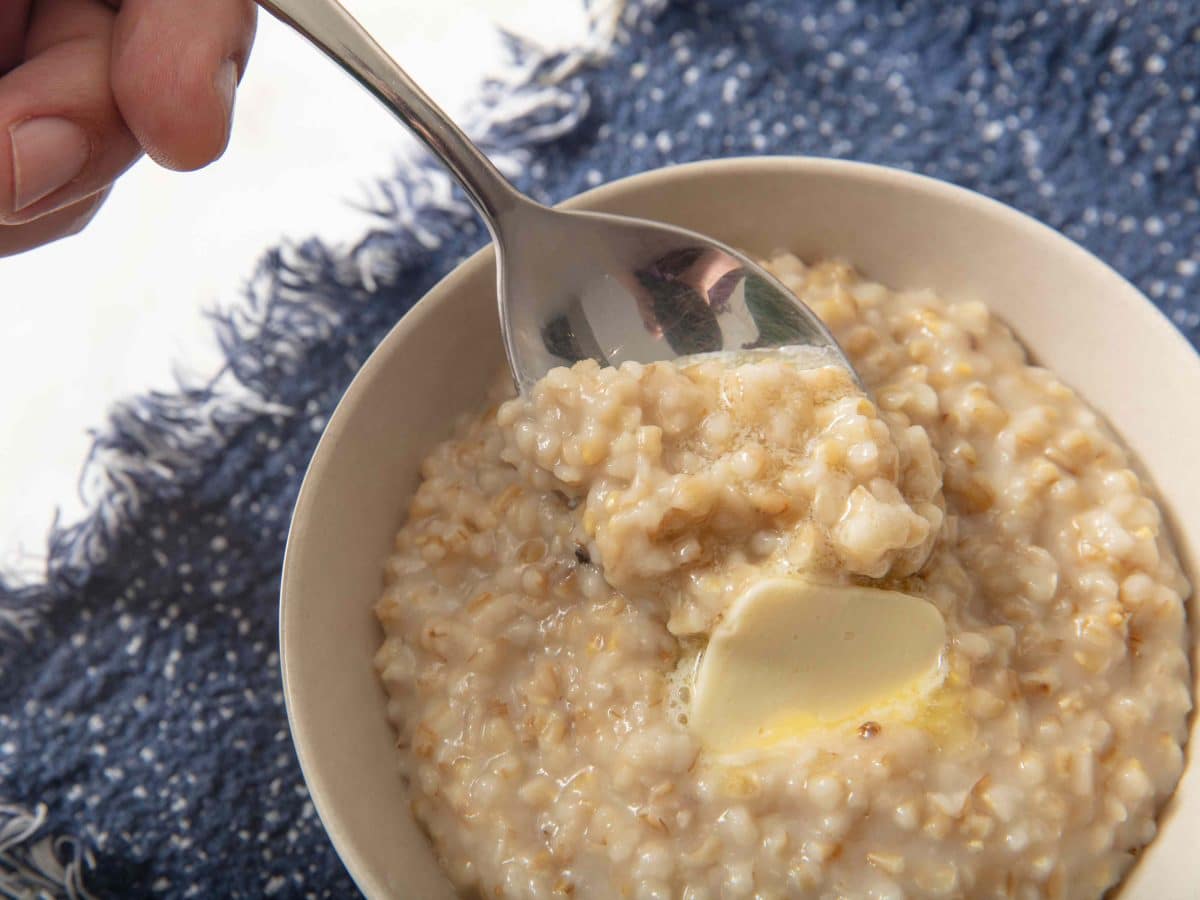
- Add a little fat (a teaspoon of butter or oil) to the cooking liquid. Fat breaks surface tension and slows foam formation.
- Stir early and often for quick-cooking oats; for steel-cut oats, stir occasionally to redistribute heat and reduce sticking.
- Keep a wooden spoon across the pot—it helps burst surface bubbles and is an old but effective trick.
Method-specific tips
Stovetop (rolled or quick oats)
Start with cold liquid, bring it up gently, then reduce to low once you see the first bubbles. A 2:1 liquid-to-oats ratio is typical, but adding a splash more liquid when using milk gives extra margin for safety. If you prefer a thicker porridge, cook longer over low heat rather than cranking up the flame.
Steel-cut oats require longer cooking at a steadier temperature. Use plenty of water—about four parts water to one part oats—so the pot never gets crowded. A heavy-bottomed pan distributes heat more evenly and lessens the chance of violent bubbling.
Microwave
Use a tall, microwave-safe bowl and increase the liquid slightly (try a ratio around 2.5:1 for rolled oats). Pause to stir midway through cooking; that releases trapped steam and reduces foaming. Cover loosely with a microwave-safe plate rather than a sealed lid.
Instant Pot and pressure cookers
Pressure-cooking oats changes how starch behaves. Avoid overfilling the inner pot—follow the device’s max-fill guidance. Many cooks use a 1:3 oats-to-liquid ratio for rolled or steel-cut oats, and opt for natural pressure release to prevent sudden eruptions when the valve is opened.
Troubleshooting quick
If foam still rises unexpectedly, remove the pot from heat for 30 seconds and skim the surface with a spoon. For ovens or slow-cookers that foam less but can still bubble, monitor early stages and reduce temperature at the first sign of strong bubbling.
Simple adjustments deliver big results. With the right pot, a little fat, and lower heat, you’ll spend more time eating and less time scrubbing.
Quick checklist
- Use a larger pot or bowl
- Cut heat as soon as bubbling starts
- Add a teaspoon of butter or oil
- Stir halfway through cooking
- For pressure cookers, respect fill limits and use natural release
Irish whiskey: approachable bottles new drinkers should try today
Fishtown restaurants ranked: must-visit spots locals are raving about










