
Show summary Hide summary
As households try to stretch grocery budgets and cut food waste, a simple vegetable often ends up in the bin: broccoli that has gone limp and leathery. Knowing how to store, revive and reuse broccoli can save money and keep meals fresher for longer.
Why broccoli goes leathery — and what that means for your fridge
Broccoli loses moisture and firmness as its cells break down after harvest. Exposure to dry air, warm temperatures and ethylene-producing fruits speeds that process. Once florets feel papery or the stem fibers become stringy, the vegetable has passed peak quality — though it can still be safe to eat in many cases.
Cold storage slows deterioration. But improper packing in the crisper or sitting next to apples and bananas can make even a fresh head turn rubbery in a few days.
Caramel, butterscotch, toffee: how their differences affect your desserts
McDonald’s rebrands Twitter to honor Bubba Wallace after his first NASCAR Cup win
Quick actions that make a difference
If you buy broccoli with longevity in mind, take two small steps the same day: trim the stem and remove any outer leaves, then store it where the air is cool and slightly humid. For most kitchens that means the crisper drawer, but how you package it matters.
– Store unwashed broccoli in a perforated plastic bag or loosely wrapped in a damp paper towel.
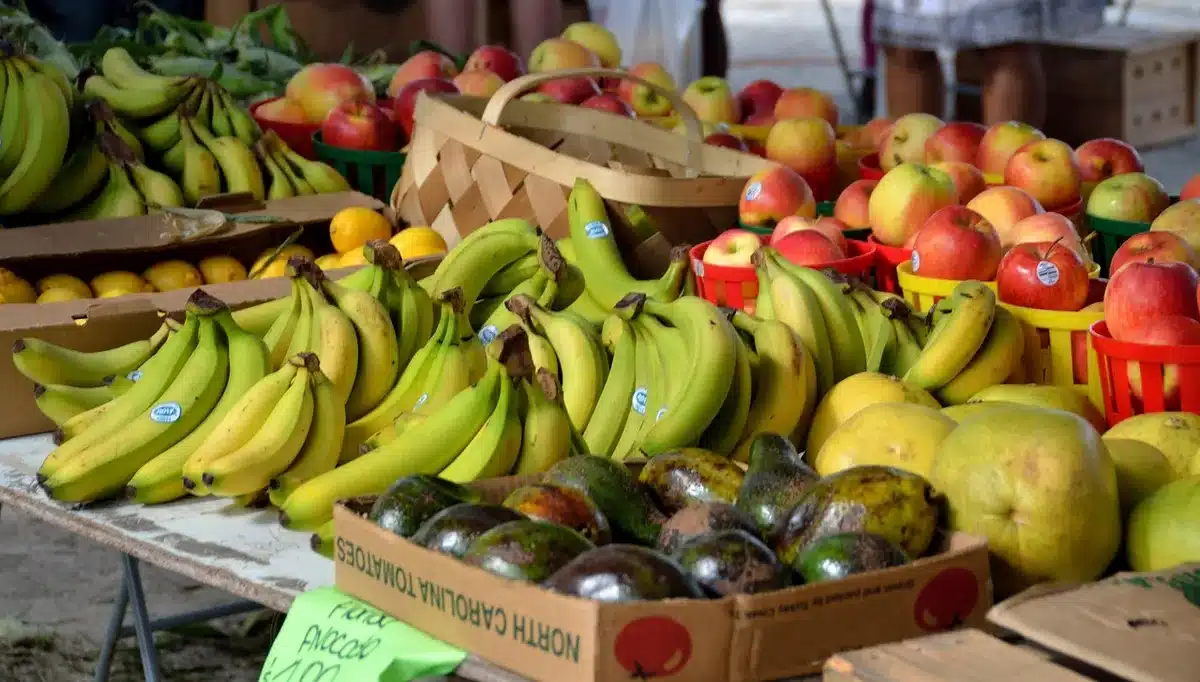
– Keep broccoli away from ethylene emitters (apples, pears, avocados, tomatoes).
– For long-term keeping, blanch and freeze — done right, frozen broccoli keeps quality for months.
How to revive limp broccoli
If florets have lost their snap but look otherwise healthy (no yellowing or slime), you can often bring them back.
1. Trim a small slice from the bottom of the stem.
2. Submerge the broccoli in an ice-cold water bath for 20–30 minutes.
3. Dry thoroughly before using or storing; moisture helps keep crispness but excess water encourages rot.
This method restores turgor pressure in the stems and can revive texture enough for salads, quick stir-fries or raw snacking.
When to discard
Do not try to salvage broccoli that shows clear signs of spoilage. Throw it away if you see any of these:
– Soft, waterlogged spots or a slimy coating on stems or florets
– A strong, unpleasant aroma or obvious yellowing across the head
– Mold growth (white, green or black flecks)
Eating obviously spoiled vegetables risks foodborne illness. When in doubt, err on the side of caution.
| Storage method | Best for | Typical shelf life | Key tip |
|---|---|---|---|
| Refrigerator crisper, perforated bag | Short-term use (3–7 days) | 3–7 days | Keep away from ethylene-producing fruit |
| Stem-in-water (like flowers) | Reviving limp heads | 1–3 days additional freshness | Change water daily; refrigerate if possible |
| Blanch and freeze | Long-term storage | 8–12 months | Blanch 2–3 minutes, cool in ice bath before freezing |
| Cooked and refrigerated | Prepared meals | 3–4 days | Store in airtight container after cooling |
Cooking choices that avoid leathery results
Overcooking is the most common way broccoli becomes unpleasantly mushy or stringy. To preserve texture and nutrients:
– Roast at high heat until edges are caramelized but stems stay slightly firm.
– Steam briefly for a tender-crisp finish.
– Stir-fry quickly over high heat so florets keep their bite.
If florets are already a bit soft, convert them into soups, purees, casseroles or a blended sauce; texture becomes an asset when you transform the vegetable rather than trying to force it back to raw crispness.
Small habits that reduce waste — and grocery spend
Keeping broccoli at peak quality doesn’t require fancy gear. Simple habits add up:
– Buy what you will use within a few days; whole heads last longer than pre-cut florets.
– Store broccoli separately from fruit.
– Freeze surplus after a quick blanch instead of letting it sit and degrade.
Adopting one or two of these routines can cut household food waste and make meal planning more flexible.
Broccoli remains one of the most versatile and nutrient-dense vegetables you can keep on hand. With the right handling — from purchase to plate — you can avoid that leathery fate and get more value from every head.
Irish whiskey: approachable bottles new drinkers should try today
Fishtown restaurants ranked: must-visit spots locals are raving about