Show summary Hide summary
Open a bottle and you’re faced with more than a choice of grape or vintage — the way it’s sealed can change what you taste and how long the wine will keep. As screw caps become routine in some producing regions, shoppers in the U.S. increasingly ask whether the closure matters and how it should influence what they buy.
The enduring reasons people still choose cork
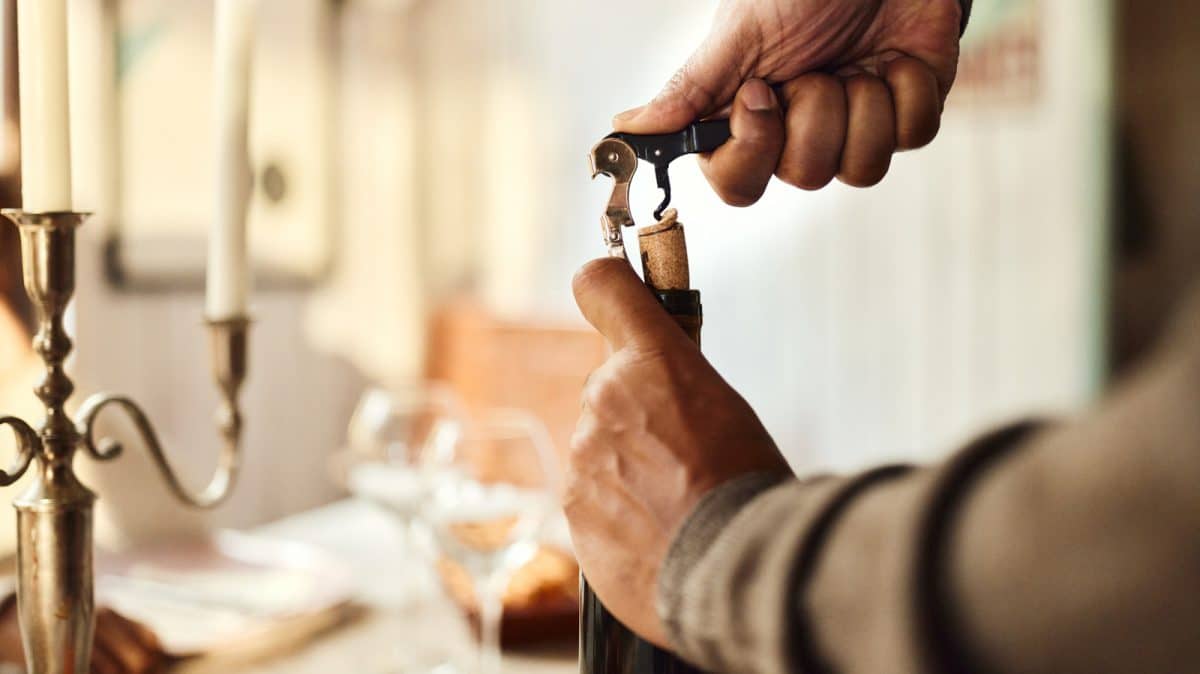
Natural cork comes from the bark of cork oak trees, harvested on a recurring cycle that leaves the tree intact. Because it’s renewable and familiar, cork remains the default for many producers and collectors who prize tradition and provenance.
Caramel, butterscotch, toffee: how their differences affect your desserts
McDonald’s rebrands Twitter to honor Bubba Wallace after his first NASCAR Cup win
Beyond symbolism, cork performs a technical role: its cellular structure allows a tiny, gradual passage of air into the bottle. That slow interaction, often called micro-oxygenation, can soften harsh tannins and help complex wines—think high-end Cabernet or Barolo—evolve over years.
But cork isn’t flawless. As an organic material it varies from stopper to stopper; some seal more tightly than others. A brittle or dried cork can let in too much oxygen, prematurely aging the wine. There is also the risk of cork taint—a musty, off-putting aroma linked to the compound TCA—that ruins a bottle’s aroma and affects a minority of cork-sealed wines.
How screw caps changed the game
Introduced to address spoilage problems, screw caps offered a practical alternative: a uniform, simple-to-open closure that removes the variability associated with natural bark. They don’t introduce TCA and can be resealed for short-term freshness after pouring.
Research comparing identical wines under different closures has shown screw caps deliver more consistent results from bottle to bottle. Laboratory work also indicates screw caps limit oxygen ingress to much lower levels than cork, though they are not perfectly impermeable—some trace oxygen still passes over time.
That difference in oxygen exposure is key. For wines you expect to drink within months or a couple of years, a screw cap preserves the fruit and freshness admirably. For long-term cellaring of structured wines, the slight oxygen exchange that a clean cork provides can be desirable.
- Cork — Pros: renewable material, allows slow aging, traditional presentation favored for high-end bottles.
- Cork — Cons: variable seal quality, risk of TCA/cork taint, can dry or crumble if stored improperly.
- Screw cap — Pros: consistent seal, prevents cork taint, easy to open and reseal, ideal for preserving freshness.
- Screw cap — Cons: minimal oxygen ingress may not support the development some age-worthy wines require, carries a casual image in certain markets.
Quick rules to guide your purchase
If practicality and immediate enjoyment matter more than tradition, reach for the screw-capped bottle. It’s especially smart for aromatic whites and youthful reds you plan to drink soon. If you’re buying a wine specifically to age—where development over many years is the goal—opt for a cork-sealed bottle, provided the producer has a good reputation for cork quality.
Either way, remember: closure type doesn’t replace vintage, winemaking, or storage. A well-made wine under a screw cap can be superior to a mediocre wine under cork. When in doubt, consult the producer notes or ask your merchant about the wine’s intended drinking window.
Bottom line: the cap on the bottle matters, but not always in the way shoppers assume. Think about how long you’ll keep the bottle and what you want from it — convenience and consistency, or the slow unfolding of age — and let that answer guide your choice.
Irish whiskey: approachable bottles new drinkers should try today
Fishtown restaurants ranked: must-visit spots locals are raving about