Show summary Hide summary
If you cook with fresh ginger, one tiny change to your prep routine can speed things up and cut down on waste — and it’s something you can start using right away. With more people cooking at home and watching food costs, simple, safer techniques for everyday ingredients matter more than ever.
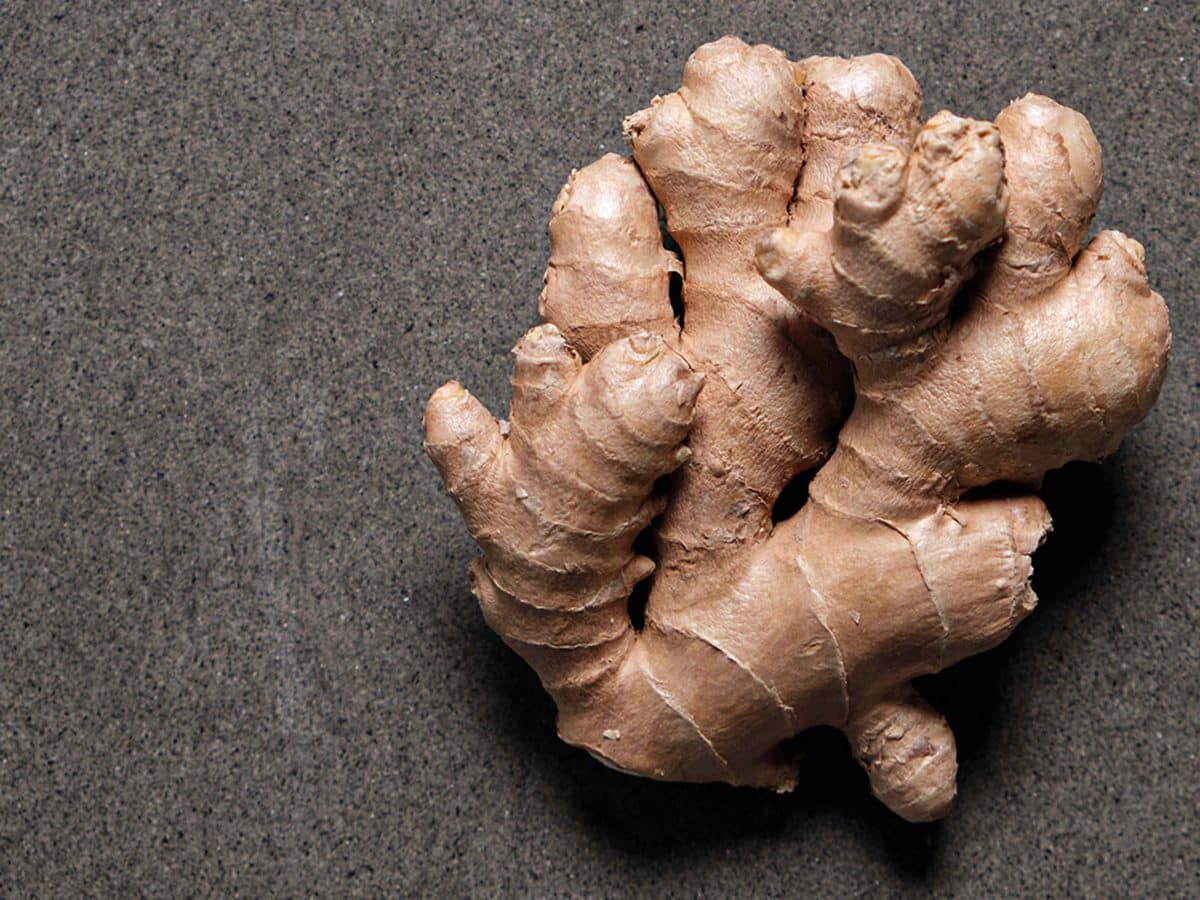
Grabbing a spoon and scraping the skin off is the trick most chefs and home cooks prefer. Unlike a knife or a vegetable peeler, a spoon follows the irregular curves of the root, removes only the thin outer skin, and reduces the chance of accidental nicks. It’s quick, low-tech, and works whether the ginger is lumpy or straight.
How to peel ginger with a spoon
Caramel, butterscotch, toffee: how their differences affect your desserts
McDonald’s rebrands Twitter to honor Bubba Wallace after his first NASCAR Cup win
Follow these straightforward steps the first few times to get a feel for the motion. Once you’ve done it, the method becomes faster than any peeling tool.
- Wash the ginger under cold water to remove dirt.
- Hold the root in one hand and a metal spoon in the other, using the edge of the spoon to scrape away the skin.
- Work with short, controlled strokes, angling the spoon to follow nubs and curves so you only remove the thin outer layer.
- For tight crevices, use the tip of the spoon or a smaller teaspoon to access narrow spots.
- Rinse or pat dry, then proceed to slice, mince, or grate as your recipe requires.
Why cooks favor this approach: it wastes less flesh, is safer than cutting toward your hand, and leaves the ginger’s shape intact so you can slice cleanly for recipes that need uniform pieces.
When to skip peeling
Young or tender ginger often has a thin, papery skin that’s easy to leave on. If the root is blemish-free, you can simply scrub and use it unpeeled for broths, juices, or quick sautés. Older, woodier roots benefit most from scraping.
| Tool | Best for | Typical waste |
|---|---|---|
| Spoon | Knobby, irregular roots; small jobs | Low |
| Vegetable peeler | Straight pieces; fast peeling | Medium |
| Knife | Large pieces when shaping is needed | High |
| Microplane | Finely grated ginger for dressings or sauces | N/A (used after peeling) |
Small technique tweaks can change the cooking experience. A spoon is portable (no special gadget required), easy to clean, and reduces food loss — useful if you buy ginger in bulk or want to keep costs down.
Extra tips and variations
Microwaving a very cold root for 10–15 seconds loosens the skin and can make scraping easier, though this is rarely necessary. If you plan to freeze ginger, leave it unpeeled: frozen skin peels away easily and frozen ginger grates finely from the block.
For recipes that call for grated ginger, scrape first, then use a microplane or the fine side of a box grater. If you prefer minced slices, peel selectively — remove just the patches you need and preserve the rest.
Try the spoon method next time you reach for fresh ginger. It’s a tiny habit with outsized benefits: faster prep, less waste, and fewer slips in the kitchen.
Irish whiskey: approachable bottles new drinkers should try today
Fishtown restaurants ranked: must-visit spots locals are raving about