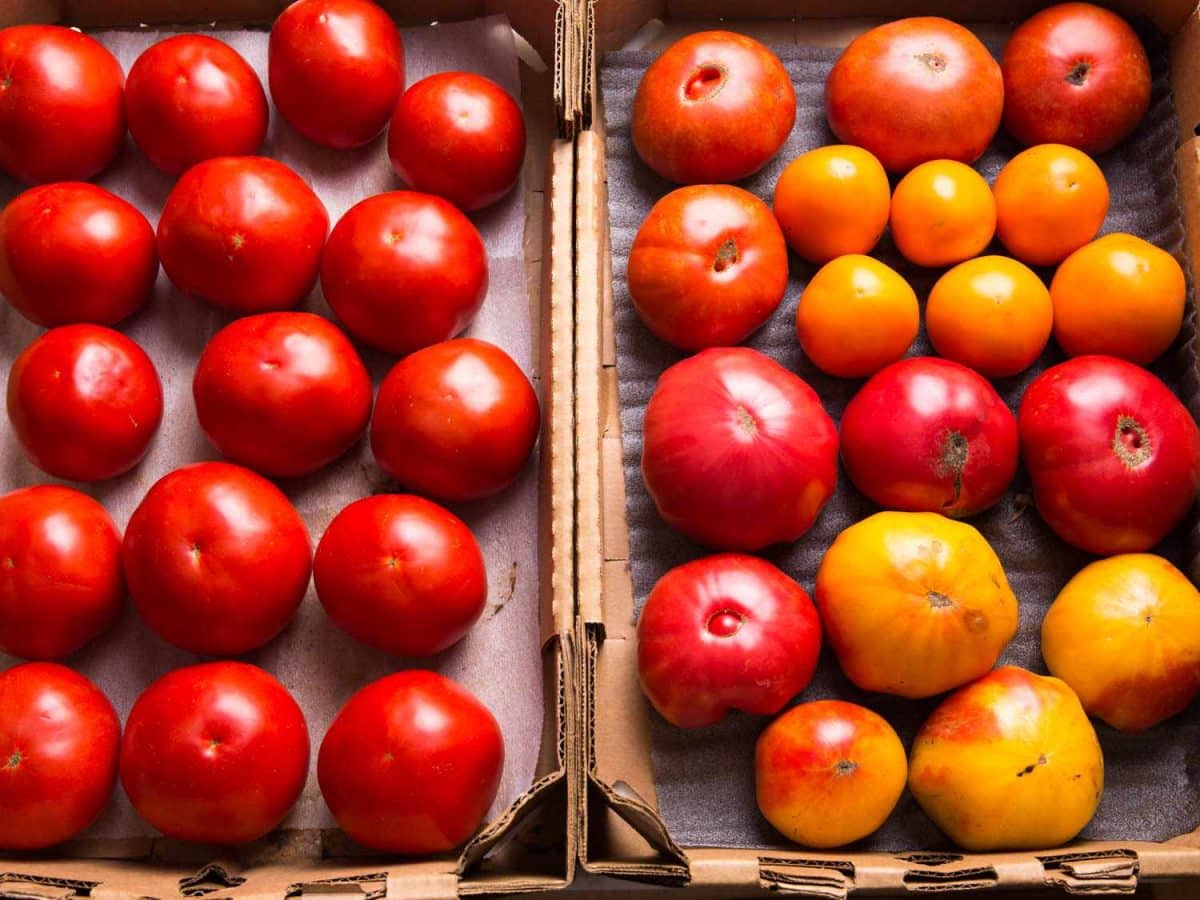
Want tomatoes that stay plump, juicy and free of wrinkled skin for days? A few simple handling and storage habits — started the moment you bring them home — make a dramatic difference in texture, flavor and food waste. These small changes matter now as grocery prices climb and peak-season fruit hits market stalls.
Tomatoes lose quality for two main reasons: water loss through the skin and damage from cold temperatures. Kept wrong, they shrivel or develop a mealy texture even if they look ripe. The technique many home cooks overlook is less about special containers and more about how and where you set them down.
The core rule: keep tomatoes at a consistent, mild temperature and limit airflow that accelerates drying. A few specific habits lock in that juiciness.
Caramel, butterscotch, toffee: how their differences affect your desserts
McDonald’s rebrands Twitter to honor Bubba Wallace after his first NASCAR Cup win
- Store tomatoes at a stable room temperature (ideally 55–70°F / 13–21°C) — not on a hot windowsill and not in the fridge unless you must.
- Set them stem-side down on a flat surface so the scar that once held the stem seals moisture and reduces air exchange.
- Arrange in a single layer; avoid stacking to prevent bruises and trapped moisture that encourages rot.
- Don’t wash before storing; moisture speeds spoilage — rinse only before using.
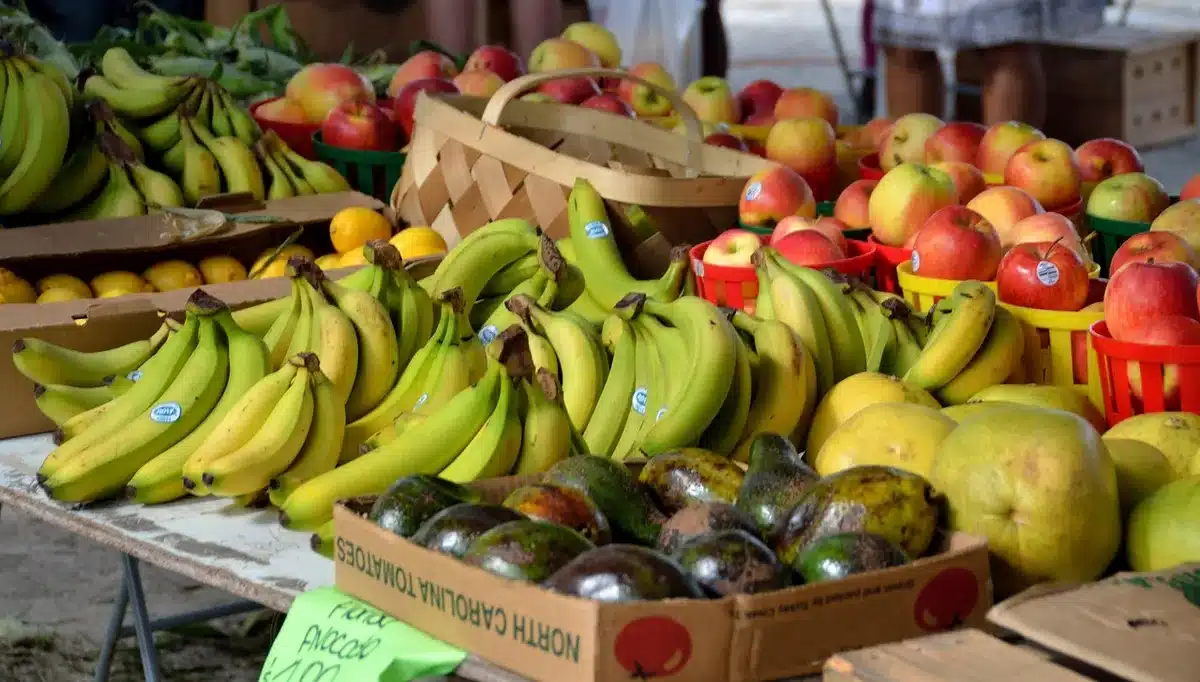
- Keep tomatoes away from strong-smelling fruit like bananas and apples that emit extra ethylene and speed ripening.
| Storage method | Typical temperature | Expected shelf life | Best use |
|---|---|---|---|
| Countertop, stem-side down | 55–70°F (13–21°C) | 3–7 days (ripe) | Fresh eating, salads, sandwiches |
| Paper bag (to finish ripening) | Room temp | 1–3 days until ripe | When flesh is still firm but color needs to deepen |
| Refrigerator (only if overripe) | <50°F (<10°C) | 3–5 days to slow spoilage | Cooked dishes or bring back to room temp before eating |
If you must refrigerate because a tomato is overripe or you won’t use it for a few days, do so to slow mold and rot — but expect some texture loss. Let chilled tomatoes return to room temperature before serving; warmth helps restore aroma and softens the flesh, recovering some of the flavor that cold mutes.
For the freshest results, handle fruit gently. Even small punctures or pressure points provide entry for microbes and accelerate water loss. And when a tomato begins to wrinkle, don’t toss it: slightly shriveled tomatoes are perfect for sauces, roasting or stews where concentrated flavor is an advantage.
Practical takeaway: simple placement and temperature control preserve firmness and juiciness more reliably than special appliances. Try keeping your tomatoes stem-side down on the counter and you’ll likely see longer shelf life, less waste, and better-tasting fruit.
Irish whiskey: approachable bottles new drinkers should try today
Fishtown restaurants ranked: must-visit spots locals are raving about