Show summary Hide summary
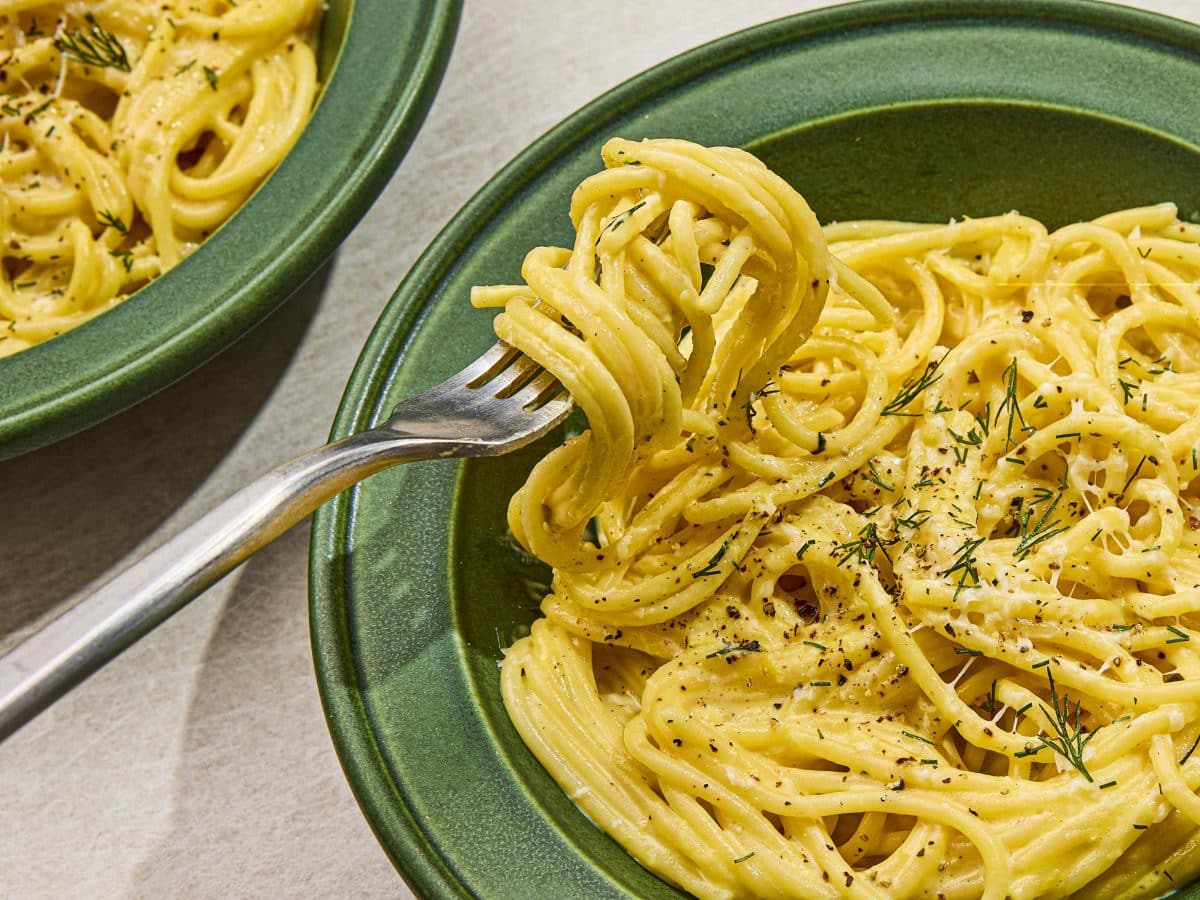
A quick, bright spaghetti that captures the creamy mouthfeel familiar from carbonara—without eggs or cream—has been gaining traction for easy weeknight cooking. By using starchy pasta water, olive oil and a salty Greek cheese, this dish balances silky texture with vivid lemon and fresh dill for a summer-friendly meal that cooks in under 20 minutes.
This version matters now because home cooks are looking for fast, flavorful dinners that rely on pantry staples and seasonal produce. It’s an economical, low-fuss way to get a restaurant-quality sauce through technique rather than long simmering or heavy ingredients.
Key idea: an emulsion, not a sauce
Caramel, butterscotch, toffee: how their differences affect your desserts
McDonald’s rebrands Twitter to honor Bubba Wallace after his first NASCAR Cup win
The secret is building an emulsion—an airy, clingy coating made by whisking hot, starchy pasta water into oil and crumbled cheese. That process yields a glossy, clinging finish that feels indulgent but uses only a few components.
Aim to toss the drained spaghetti while the pasta is hot; the residual temperature helps the oil and cheese bind to the starches. Keep a mug of reserved water nearby and add it gradually until the texture reads silky rather than soupy.
What you’ll need (quick checklist)
- Spaghetti — 12 ounces (feeds 3–4)
- Extra-virgin olive oil — 3 to 4 tablespoons
- Fresh lemons — zest and juice of 1 large lemon
- Salty Greek cheese — crumbled feta or grated kefalotyri (about 3/4 cup)
- Fresh dill — finely chopped, 2 to 3 tablespoons
- Garlic — 1 clove, smashed (optional)
- Red pepper flakes or black pepper — to taste
- Salt and freshly ground pepper
Step-by-step technique
1. Bring a large pot of salted water to a rolling boil and cook the spaghetti until just shy of al dente.
2. While the pasta cooks, warm the oil briefly with smashed garlic in a skillet or pour it straight into a mixing bowl if you prefer no heat; discard the garlic before tossing if you don’t want a pronounced garlic flavor.
3. Reserve at least 1 cup of pasta water, then drain the spaghetti.
4. Return the pasta to the pot or a warm bowl. Add the oil, lemon zest, a splash of lemon juice, and most of the crumbled cheese. Toss vigorously while adding hot pasta water, a few tablespoons at a time, until the sauce emulsifies into a silky coating.
5. Fold in chopped dill, adjust seasoning, and finish with an extra drizzle of olive oil and a scatter of cheese.
Tips to get it right
- Use the pasta’s cooking water — that starchy liquid is the binding agent that creates a cohesive, creamy texture.
- Grate or crumble the cheese finely so it melts into the emulsion more easily; if using a very crumbly feta, expect a slightly grainier finish than with a harder cheese.
- Start with less lemon juice than you think; acidity brightens the dish but can break the emulsion if it’s excessive.
- If the sauce looks dry, add warm pasta water slowly; if runny, keep tossing off heat until it tightens.
Because the recipe uses few ingredients, each one matters. Choose a robust olive oil for flavor, pick ripe lemons for aroma, and opt for fresh dill rather than dried to preserve that vibrant herb note.
Variations and serving ideas
Want protein? Fold in quick-seared shrimp or pan-fried halloumi. For a vegetarian boost, toss in blanched peas or roasted asparagus. Swap dill for mint or basil for a different herb profile.
Serve with a crisp green salad and a wedge of lemon for squeezing at the table. Leftovers keep for a day and reheat gently with a splash of water to restore the emulsion.
Simple technique, few ingredients, and fast turnaround make this lemon-dill spaghetti a practical addition to the seasonal rotation—especially when citrus and herbs are at their peak. It’s a useful template: master the emulsion, then adapt the flavors to match what’s fresh or on hand.
Irish whiskey: approachable bottles new drinkers should try today
Fishtown restaurants ranked: must-visit spots locals are raving about