Show summary Hide summary
This summer’s best meals often arrive with fewer ingredients than you expect. As tomatoes, basil and stone-fruit peak, pared-back recipes deliver fast, affordable and deeply flavorful options that fit busy schedules and tighter budgets.
Why minimal-ingredient cooking matters now
Simple dishes respond directly to two current realities: time is scarce for many home cooks, and seasonal produce is abundant. When an ingredient is at its peak, it can carry a plate without elaborate technique or an inventory of specialty items.
Caramel, butterscotch, toffee: how their differences affect your desserts
McDonald’s rebrands Twitter to honor Bubba Wallace after his first NASCAR Cup win
Beyond convenience, fewer components can mean less waste and lower grocery bills — practical considerations as families plan meals for the week. The upside is also culinary: a well-ripened tomato, a decent olive oil and a pinch of salt can teach more about balance than a long list of spices.
Three summer-ready plates that prove the point
| Dish | Core ingredients | Why it works |
|---|---|---|
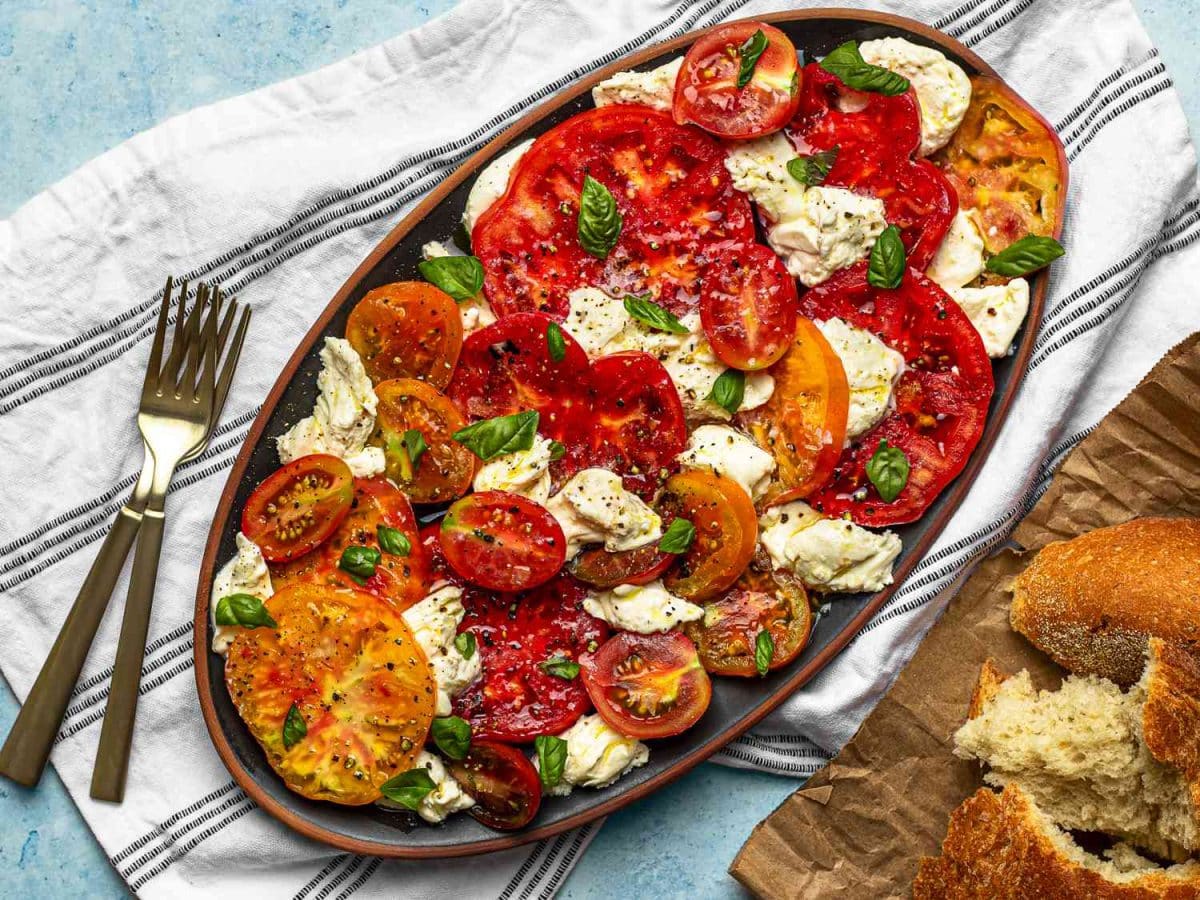
| Caprese-style salad | Ripe tomatoes, fresh basil, good mozzarella, olive oil | Contrast of sweet tomato and creamy cheese needs only bright acid and oil |
| Cacio e pepe | Pasta, Pecorino (or Parmesan), black pepper | High-heat technique and quality cheese turn three items into rich sauce |
| Grilled peaches with ricotta | Stone fruit, ricotta, honey or balsamic | Caramelization and a creamy counterpoint transform seasonal fruit |
These recipes share a pattern: one standout ingredient supported by two or three enhancements. That economy of taste is not a limitation — it’s a design choice.
Small shopping list, big impact
- Olive oil — quality matters; it amplifies fresh produce.
- Fresh herbs — basil, parsley, and mint change a dish instantly.
- Good salt — the right finish can lift simple components.
- Citrus — lemon or lime brightens heavier elements.
- One versatile cheese — buy something that works warm or cold.
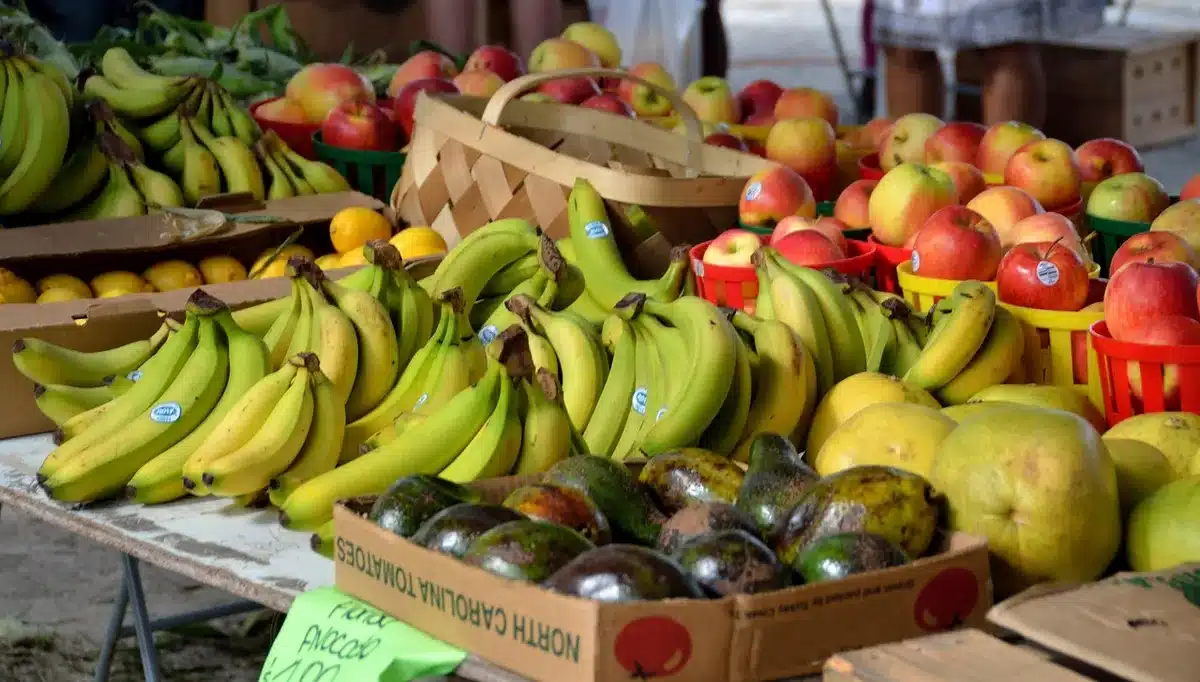
Keeping just a handful of reliable staples lets you improvise quickly when market produce looks good. If tomatoes are perfect at the farmers’ market, you’re ready to make a satisfying meal in minutes.
How to get maximum flavor with minimal parts
Technique often replaces complexity. Salt food at the right time, let grilled items develop color, and use acid sparingly to balance richness. Heat and seasoning reveal textures and bring out hidden sweetness in simple ingredients.
Layering also matters: a drizzle of oil, a scatter of herbs and a finishing grind of pepper can make a three-ingredient plate feel deliberate and complete rather than sparse.
When a longer recipe is still worth it
Minimalist cooking isn’t a hard rule. Some dishes — slow braises, complex breads or preserved foods — demand time and many ingredients to deliver their full potential. The choice is practical: use long recipes when the result justifies the investment.
For everyday dinners, though, rearranging priorities so that seasonality and technique do the heavy lifting yields quicker, tastier outcomes. It’s a modest shift with immediate, tangible benefits for flavor, cost and cooking time.
Next time you shop, pick one excellent produce item and build around it. You may find that less truly is more.
Irish whiskey: approachable bottles new drinkers should try today
Fishtown restaurants ranked: must-visit spots locals are raving about