Show summary Hide summary
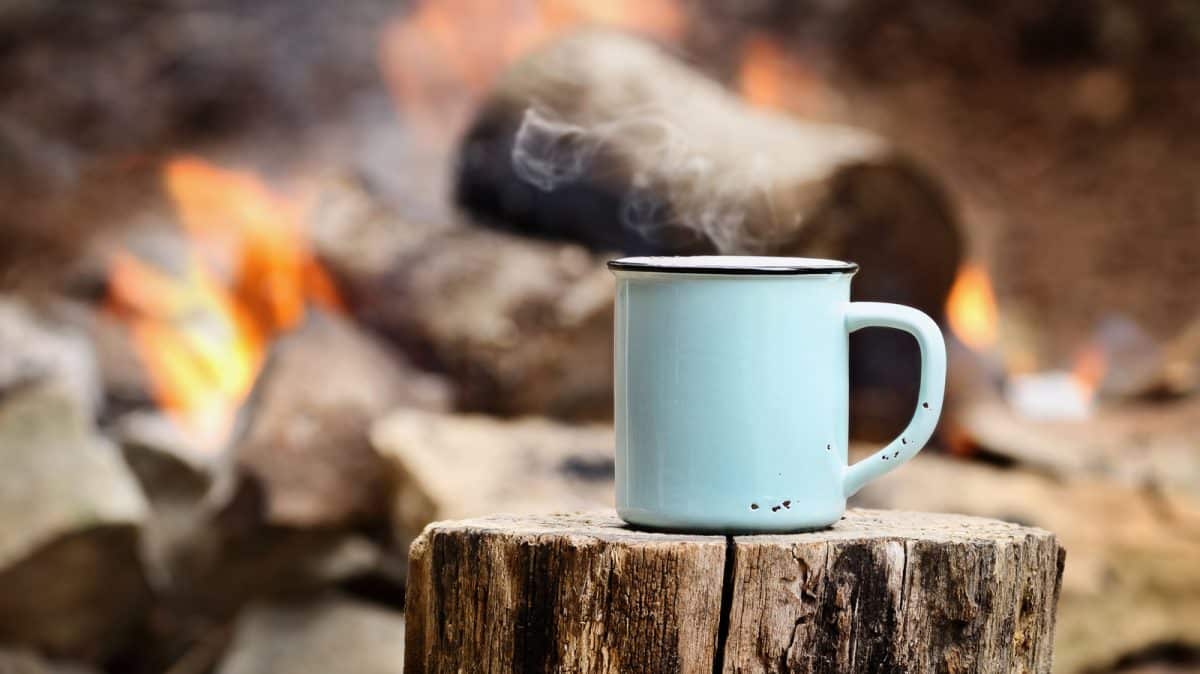
If you want a bold, no-frills cup that doesn’t rely on espresso machines or filters, try cowboy coffee — a stovetop or campfire method rooted in frontier tradition that’s seeing renewed interest among campers and people prepping for outages. Its appeal is simple: minimal gear, straightforward technique and a full-bodied flavor that comes from brewing grounds directly in hot water.
The process is surprisingly easy, but small choices — how long you let the grounds steep, when you remove the kettle from heat, and how you pour — change the final taste. Below are clear steps and practical tips to help you make a clean-tasting, smoke-kissed brew whether you’re next to a campfire or cooking on a gas range.
How cowboy coffee is brewed
Caramel, butterscotch, toffee: how their differences affect your desserts
McDonald’s rebrands Twitter to honor Bubba Wallace after his first NASCAR Cup win
Cowboy coffee is made by boiling water, adding coffee grounds straight into the pot, letting them steep, and then pouring off the liquid once the grounds settle. There’s no paper filter involved, so the brew retains more of the coffee’s natural oils and body — at the cost of some possible grit in the cup.
The drink’s traditional association with the American West reflects its practicality: it requires only a heat source, a metal kettle or pot, and coffee. The heat source — often an open fire when camping — can lend a subtle smoky note to the cup.
Step-by-step: a reliable home or camp method
- Bring water to a full boil over your heat source (5–10 minutes depending on flame and kettle).
- Remove the kettle from direct heat and wait about 30 seconds to let the temperature drop slightly.
- Stir in grounds: a common ratio is roughly two tablespoons of coffee per 8-ounce cup of water.
- Let the mixture steep for about five minutes.
- Use the cold water trick: gently pour a small amount of cool water across the surface to encourage grounds to sink, then ladle or pour carefully into cups.
Practical tips for a cleaner cup
Because there’s no filter, technique matters. Stirring and the short cooldown before steeping help prevent over-extraction and bitterness. The cold water drizzle is a low-tech way to compact the sediment so it stays in the pot.
When camping, choose a sturdy stainless-steel kettle or pot. Inspect used or antique cookware for thin spots or pinholes by holding it up to light before use; experienced outdoors cooks advise this simple safety check. At home, a gas stove offers a close approximation of camp conditions if you want the same hands-on experience.
Why cowboy coffee matters now
Interest in easy, resilient cooking methods has grown alongside outdoor recreation and preparedness culture. Cowboy coffee fits both trends: it’s low-waste, requires no electricity, and leaves behind compostable grounds. For those seeking an experiential cup — or a reliable method when modern gear isn’t available — it’s a practical, flavorful option.
It’s also useful for minimizing waste. No paper filters or single-use pods are needed, and spent grounds can be composted or used around the campsite.
Quick troubleshooting and do’s & don’ts
- Too bitter? Let the boiled water cool slightly before adding grounds and shorten the steep time.
- Too muddy? Try coarser grounds, allow a longer settling time, or pour more gently with a ladle.
- Want less grit? Pour through a metal strainer or allow extra time for sediments to sink.
- Safety tip: Always handle hot metal over a stable surface and keep flammable materials away from open flames.
Ultimately, cowboy coffee is less about precision and more about utility and flavor. With a few simple adjustments, you can brew a robust, satisfying cup whether you’re on the trail or your own kitchen stove.
Irish whiskey: approachable bottles new drinkers should try today
Fishtown restaurants ranked: must-visit spots locals are raving about