Show summary Hide summary
A small winery in New York’s Hudson Valley that began as a cobbler’s backyard experiment in the 1820s still pours bottles today — and many are priced under $15. Its long run through changing tastes, Prohibition and a near-disastrous fire shows why heritage producers remain relevant for modern drinkers and local tourism.
What is now known as Brotherhood Winery traces its roots to Washingtonville, New York, where cobbler John Jaques planted vines and sold fruit into New York City markets. When crop prices sagged, Jaques turned to winemaking; his first commercial batch served a practical purpose at his church.
Ownership stayed in the family for decades before a sale in 1886 to J. M. Emerson & Son, who operated under the Brotherhood Wine Company name. The operation expanded, adding buildings and underground cellars that later proved crucial to the winery’s survival.
Caramel, butterscotch, toffee: how their differences affect your desserts
McDonald’s rebrands Twitter to honor Bubba Wallace after his first NASCAR Cup win
Surviving Prohibition and a changing industry
Like many American wineries, Brotherhood faced its biggest legal challenge during Prohibition. Instead of closing, the business produced authorized medicinal and sacramental wines. When the 21st Amendment repealed Prohibition in 1933, the winery famously released hundreds of thousands of bottles of sparkling wine that had been cellared years earlier.
The postwar decades saw another shift: tastings, tours and events turned the property into a regional draw. A major fire in 1999 damaged aboveground structures, but the subterranean vaults protected much of the stock and allowed the winery to rebuild and diversify, adding a catering hall and retail outlets.
Recognition followed. In 2000 the site received historical designations at both the state and national levels, a distinction rarely bestowed on an active commercial winery.
History you can taste — and afford
Brotherhood markets itself to a broad audience, combining its story with accessible price points. Bottles priced around $11 make it possible for visitors to take home a piece of the winery’s legacy without a large outlay.
Reviewers on travel and social platforms often single out the grounds, the on-site dining and live events as reasons to visit. The winery also runs a members’ program that sends selections to subscribers and unlocks discounts and special-event access; one advertised tier lists roughly $90 per month and an annual package of shipments totaling dozens of items.
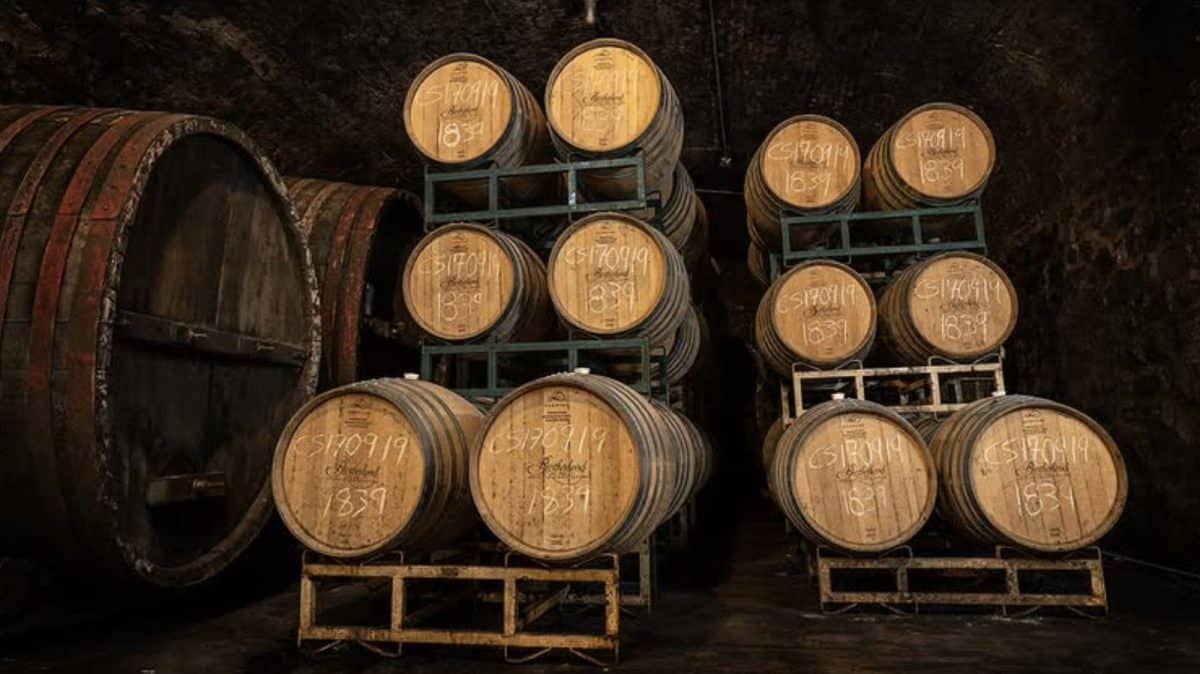
- Founded: First commercial vintage recorded in 1839.
- Location: Washingtonville, Hudson Valley, New York.
- Key survival moments: Production of medicinal/sacramental wines during Prohibition; release of large stocks after repeal; underground cellars protected inventory during a 1999 fire.
- Visitor offerings: Tastings, guided tours, concerts, a catering hall and a gift shop.
- Price range: Entry-level bottles available for about $11; wine-club subscriptions with recurring shipments and member perks.
Why this matters now: as consumers look for provenance and value, institutions like Brotherhood combine historic authenticity with approachable price points. For travelers and wine buyers who want a story with their bottle, the winery offers both local heritage and practical options for everyday drinking.
Whether you’re tracing American winemaking history or simply hunting for an inexpensive bottle with character, Brotherhood’s two-century arc makes a clear case: longevity can coexist with affordability, and historic wineries still shape regional tourism and tasting trends today.
Irish whiskey: approachable bottles new drinkers should try today
Fishtown restaurants ranked: must-visit spots locals are raving about