Show summary Hide summary
Raspberries spoil fast, and the wrong storage choice can turn a pint of bright fruit into a soggy, moldy mess within days. We recently put a dozen common storage tactics through side-by-side kitchen testing to determine which methods actually keep raspberries fresh longest and preserve flavor and texture.
Why this matters now
With grocery prices still high and summer berries abundant in farmers’ markets, saving a few days of shelf life can cut waste and protect flavor. The right method changes how you can use fruit across the week—fresh for snacking, salad toppings, or frozen for smoothies and baking.
Caramel, butterscotch, toffee: how their differences affect your desserts
McDonald’s rebrands Twitter to honor Bubba Wallace after his first NASCAR Cup win
Top picks at a glance
- Best short-term (fresh): Shallow container, single layer, unwashed, lined with paper towel—keeps berries firm and slows mold.
- Best long-term (frozen): Flash-freeze on a tray, then transfer to airtight bags—retains shape and flavor for months.
- Best for pantry use / immediate eating: Leave at cool room temperature for 6–8 hours; refrigerate for longer.
- Best to extend refrigerator life: Quick vinegar rinse (diluted) followed by careful drying and refrigerated storage in a breathable container.
What we tested and how
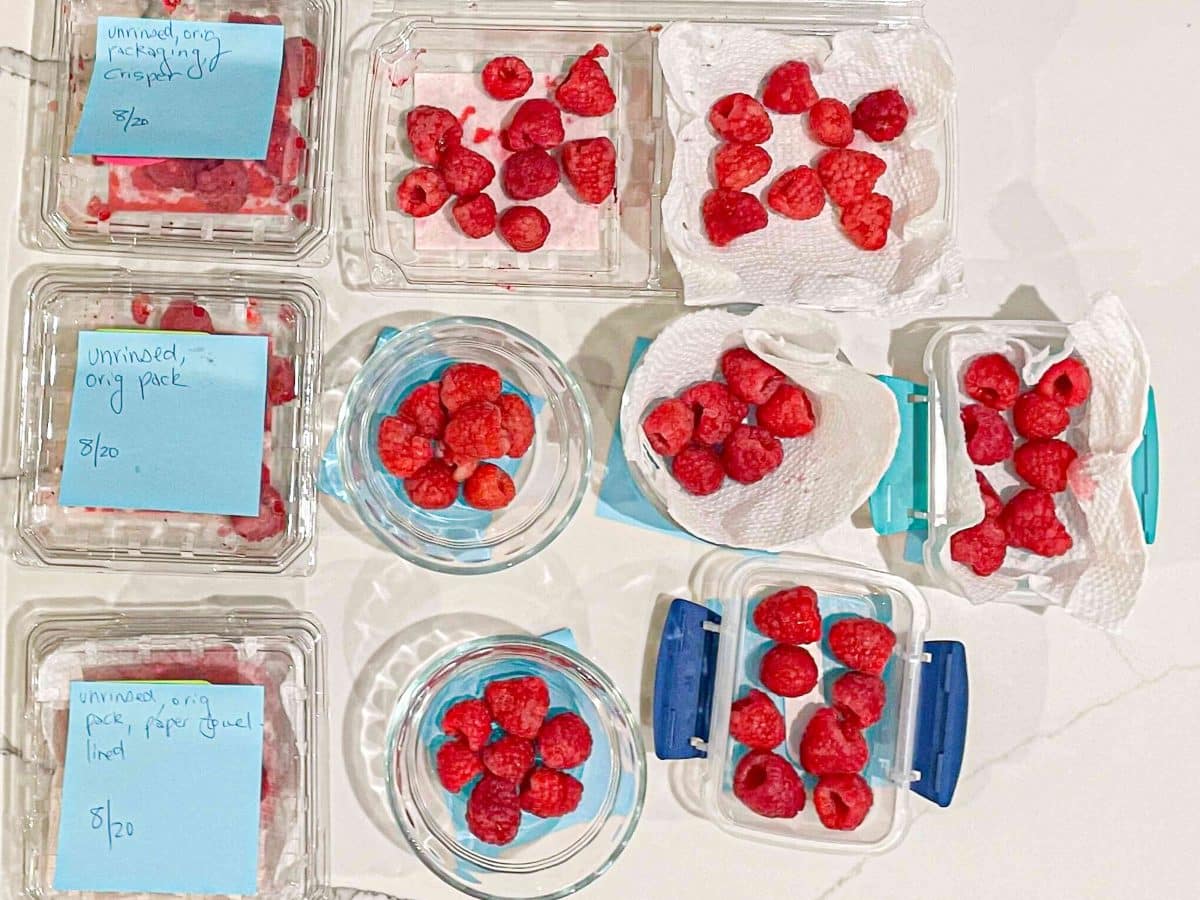
We compared 12 practical approaches people actually use at home: leaving fruit in the store clamshell, moving to a shallow container lined with paper towel, stacking in a sealed plastic container, storing in a breathable bag, vacuum sealing, colander storage, a dilute vinegar bath and rinse, sink-drying on racks, several freezing techniques (direct-bag freeze, flash-freeze on tray, sugar-syrup freeze), and making jam. Each method was monitored for appearance, texture, off-odors, and visible mold over several days in a standard refrigerator and at cool room temperature.
Key findings
Raspberries are fragile: pressure and moisture are the main enemies. Methods that minimized contact between berries and removed excess moisture performed consistently better.
Three practical takeaways for everyday use:
- Do not wash raspberries until you’re ready to eat them—moisture speeds spoilage.
- Use a shallow container and a single layer where possible to avoid crushing and reduce mold spread.
- For long-term storage, flash-freezing preserves texture and flavor far better than tossing berries into a bag raw.
How to store raspberries—step-by-step for the winners
Short-term fridge storage (best for 2–5 days)
Remove any soft or moldy berries immediately. Line a shallow, breathable container with a dry paper towel; arrange raspberries in a single layer if the quantity allows; cover loosely with a breathable lid or another paper towel. Keep unwashed until serving.
Flash-freezing for long-term storage (best for months)
Spread berries in a single layer on a rimmed baking sheet so they don’t touch. Freeze until solid (several hours). Transfer frozen berries to a heavy-duty freezer bag or airtight container and squeeze out extra air before sealing. This prevents clumping and helps berries thaw with better shape and texture.
Vinegar rinse routine (to extend refrigerated life)
Mix about one part white vinegar to three parts water and gently stir berries for 30–60 seconds, then rinse well with cold water and dry thoroughly on a towel. This reduces surface microbes and can add a day or two of fridge life, but thorough drying is essential to prevent reintroducing moisture.
Quick comparison table
| Method | Typical timeframe | Pros | Cons |
|---|---|---|---|
| Shallow container + paper towel | 2–5 days | Simple, keeps berries dry and uncrushed | Requires space and occasional inspection |
| Original clamshell in fridge | 1–3 days | Convenient, no prep | Berries can get crushed; moisture traps |
| Vinegar rinse + dry | 3–7 days | Slows mold growth | Must dry thoroughly; not for delicate flavor lovers |
| Flash-freeze on tray → bag | Months | Best texture after thawing; prevents clumping | Takes freezer space and time to prep |
| Freeze direct in bag (no flash) | Months | Fast, low prep | Berries stick together; softer texture when thawed |
| Make jam or compote | Months (pantry or freezer) | Transforms excess into shelf-stable product | Changes texture and use-case |
Practical tips and pitfalls
Inspect the pint before you buy and when you bring it home. A single moldy berry can accelerate spoilage for the rest. If you plan to eat raspberries within a day, leaving them unwashed at cool room temperature is fine for a short window; beyond that, refrigeration extends life without damaging flavor.
Avoid stacking deep layers of berries and don’t seal them in a non-breathable container while still wet. Vacuum sealing can work for longer fridge life, but it increases compression and can bruise delicate fruit unless you pre-freeze them first.
What to do with surplus raspberries
- Flash-freeze for smoothies or baking.
- Cook into a quick compote to spoon over yogurt or pancakes and refrigerate or freeze the jarred result.
- Make jam—an economical way to preserve flavor without relying on freezer space.
Raspberries are ephemeral, but small changes to handling—keeping them dry, limiting contact, and choosing the right freezing method—make a measurable difference. Follow the short-term and long-term winners above to squeeze more life and value from every pint.
Food-safety note: Discard any berries with visible mold; don’t try to salvage the rest from a heavily contaminated container.
Irish whiskey: approachable bottles new drinkers should try today
Fishtown restaurants ranked: must-visit spots locals are raving about