
Show summary Hide summary
If your go-to barbecue sauce comes from a bottle, one modest kitchen move can make it taste handcrafted: gently simmer the sauce with a splash of acid and finish it with a bit of butter. The result sharpens the flavors, smooths the texture and helps the sauce cling to grilled meat—fast, inexpensive gains that matter this grilling season.
What this change does for store-bought sauce
Mass-produced sauces often read as sweet and one-dimensional. Brief, controlled cooking does three things at once: it concentrates flavor, tames excess sugar and allows added ingredients to integrate. That small amount of heat gives you a sauce that behaves like a finished glaze rather than a straight-from-the-bottle condiment.
Caramel, butterscotch, toffee: how their differences affect your desserts
McDonald’s rebrands Twitter to honor Bubba Wallace after his first NASCAR Cup win
For cooks pressed for time, the technique is low-effort but high-impact. You don’t need unfamiliar ingredients or special equipment—just a pan, a spoon and a minute or two on the stovetop.
The one simple trick
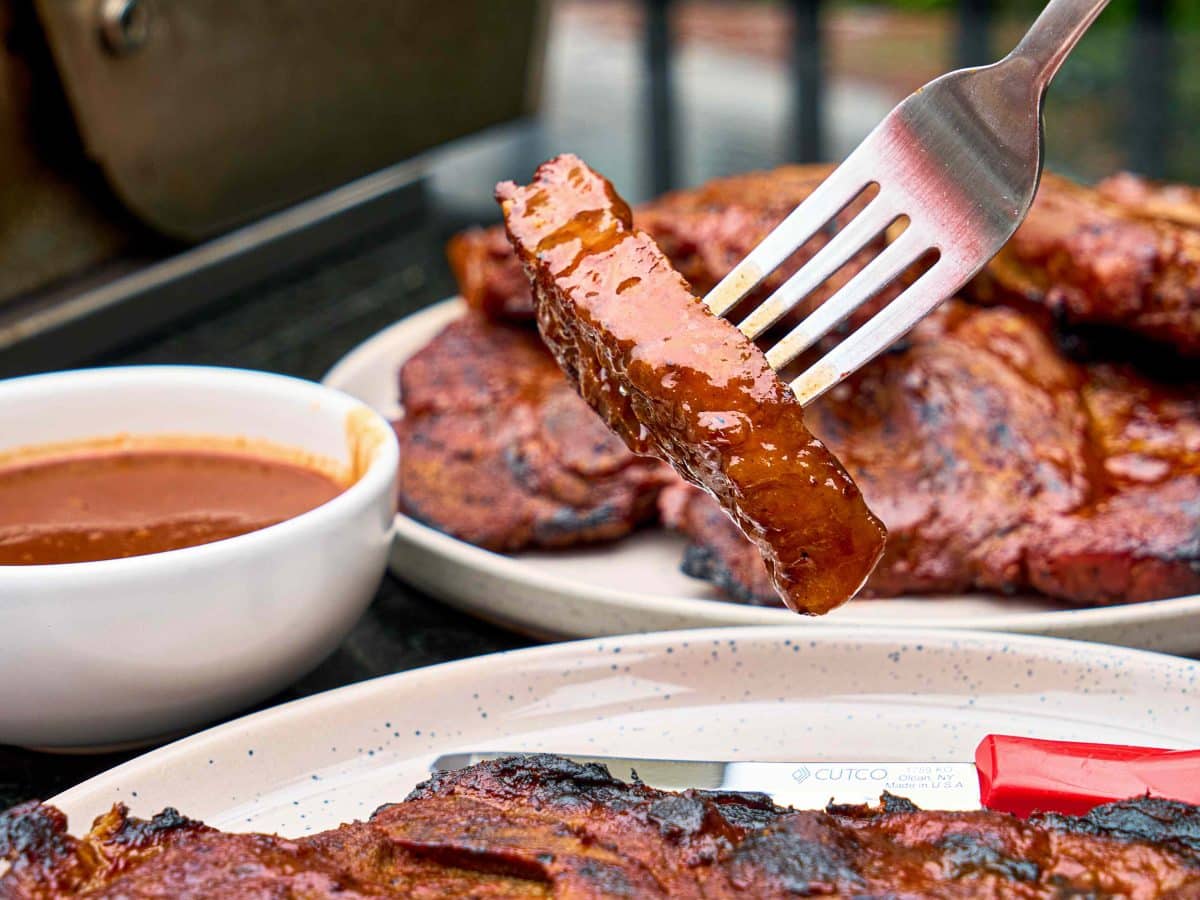
Warm the sauce, add an acid (vinegar or citrus), then whisk in a knob of cold butter off the heat to finish. The acid balances sweetness; the butter rounds edges and creates a glossy finish that sticks better to meat.
- Start: Pour sauce into a small saucepan over medium-low heat.
- Acid: Add 1–2 teaspoons of apple cider vinegar, lemon juice, or a splash of red wine vinegar per cup of sauce.
- Reduce lightly: Simmer gently for 3–6 minutes to concentrate flavor—avoid boiling.
- Finish: Remove from heat and whisk in 1–2 teaspoons of cold unsalted butter per cup until melted and emulsified.
- Optional boosts: Stir in a pinch of smoked paprika, a teaspoon of Worcestershire, or a dash of hot sauce for depth.
Why those steps work
The acid cuts through cloying sweetness and brightens aromatic notes, making the sauce taste fresher. A short reduction evaporates excess water and intensifies savory components. The cold butter, added at the end, emulsifies fats and sugars into a cohesive, shiny glaze—especially useful when basting or finishing ribs and chicken.
For practical use: baste toward the end of cooking to avoid burning, or brush on during the last 5–10 minutes. Store any leftovers refrigerated in a sealed container for up to a week; gently rewarm before using.
Quick variations to suit taste
- For a smoky profile: add ¼–½ teaspoon smoked paprika or a drop of liquid smoke.
- For tang and depth: replace half the vinegar with a teaspoon of Worcestershire sauce.
- If you prefer sweeter: stir in a teaspoon of honey or molasses after reducing, not before.
- For heat: a few drops of your favorite hot sauce or a pinch of cayenne.
Small changes like this let home cooks convert a supermarket bottle into something that tastes deliberate and fresh. In just minutes you get a sauce that both complements the meat and stands up to modern expectations for balanced, layered flavor—no complex recipe required.
Irish whiskey: approachable bottles new drinkers should try today
Fishtown restaurants ranked: must-visit spots locals are raving about