Show summary Hide summary
This grilling season has seen a new trick circulating on social media: spiralizing hot dogs and sausages to boost surface area, crisp more skin, and trap toppings. We ran a series of backyard tests to see whether the hack actually improves texture and flavor—or just makes a mess on the grill.
How we tested and why it matters
We cooked a variety of links — beef frankfurters, classic pork bratwurst, and thin cocktail sausages — on a gas grill and a hot cast-iron pan. For each type we compared three treatments: whole (control), lengthwise slits, and a shallow spiral cut. Timing, heat level, and finishing char were recorded, and several tasters evaluated texture and juiciness.
Caramel, butterscotch, toffee: how their differences affect your desserts
McDonald’s rebrands Twitter to honor Bubba Wallace after his first NASCAR Cup win
The practical question is simple: if you’re hosting or trying to squeeze more crunch and flavor from inexpensive proteins, does spiralizing add real value? The answer affects technique choices at picnics and the results you’ll serve to guests.
How to spiralize safely
Spiralizing is straightforward but requires restraint. Make shallow, even cuts to avoid tearing the casing or squeezing out juices.
- Tools: a sharp paring knife or a hand-held spiral cutter. Do not use a heavy blade that will crush the link.
- Method: hold the sausage steady and rotate as you make a continuous, shallow incision about 2–3 mm deep; aim for 1/8–1/4-inch spacing between spirals.
- Cooking: start on medium-high heat to develop color, then drop to medium to finish through without burning the exposed surface.
- Skewering optional: threading a skewer through the center helps keep the spiral aligned and makes turning easier on the grill.
What we found
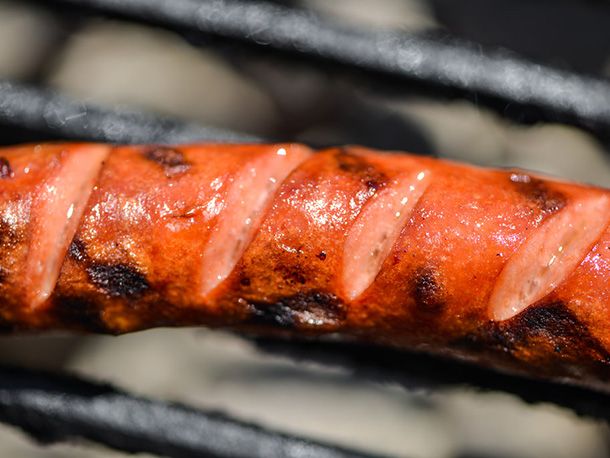
Spiral cuts increased crust and bite. On thin, skin-on hot dogs the spiral exposed more surface area to direct heat and produced a satisfying crispness without lengthening cook time. The spiral also held condiments differently—ketchup and mustard settled into the grooves rather than simply sliding off.
With fat-rich sausages, however, results were mixed. Bratwurst and other coarse-ground links tended to push juices through the incisions. That produced more sizzling and char, but also a drier interior if left on high heat.
Lengthwise slits were a good middle ground for thicker sausages: they encouraged even cooking while preserving more of the sausage’s internal moisture than an open spiral.
Pros and cons at a glance
- Pros: More crisp exterior, faster browning, interesting texture and presentation, condiment pockets.
- Cons: Greater risk of dryness on plump, fatty sausages; potential for juices to flare up on a grill; extra prep time.
- Best for: Thin, firm hot dogs and any link with a tight casing that will hold its shape.
- Avoid for: Very fatty or loose-textured sausages and any link you intend to cook at very high direct heat for long periods.
Practical tips for reliable results
Keep heat management central. If you spiralize, begin over direct heat only long enough to color the exposed surface, then move to a cooler zone to finish. For sausages with coarse grind or higher fat, leave the spiral shallow and consider an indirect finish to prevent drying.
Skewers, either wooden (soaked) or metal, can stabilize the spiral and make flipping easy. If presentation is the goal, tie or wrap the spiral loosely with butcher’s twine before cooking to keep the shape intact.
Finally, taste matters: if you prefer a juicy bite over extra crust, stick with light slits or leave the link whole. Spiralizing is a technique, not a requirement.
Bottom line
Spiralizing hot dogs and sausages can deliver noticeable benefits — especially on thin, skin-on franks — by amplifying crust and creating attractive grooves for toppings. But for thick, fatty sausages the method raises the risk of dryness and flare-ups. Use shallow cuts, control heat, and choose the right links; done properly, the spiral trick is a useful addition to your grilling repertoire. Done carelessly, it’s an unnecessary step that can undermine the very texture you’re trying to improve.
Irish whiskey: approachable bottles new drinkers should try today
Fishtown restaurants ranked: must-visit spots locals are raving about