Show summary Hide summary
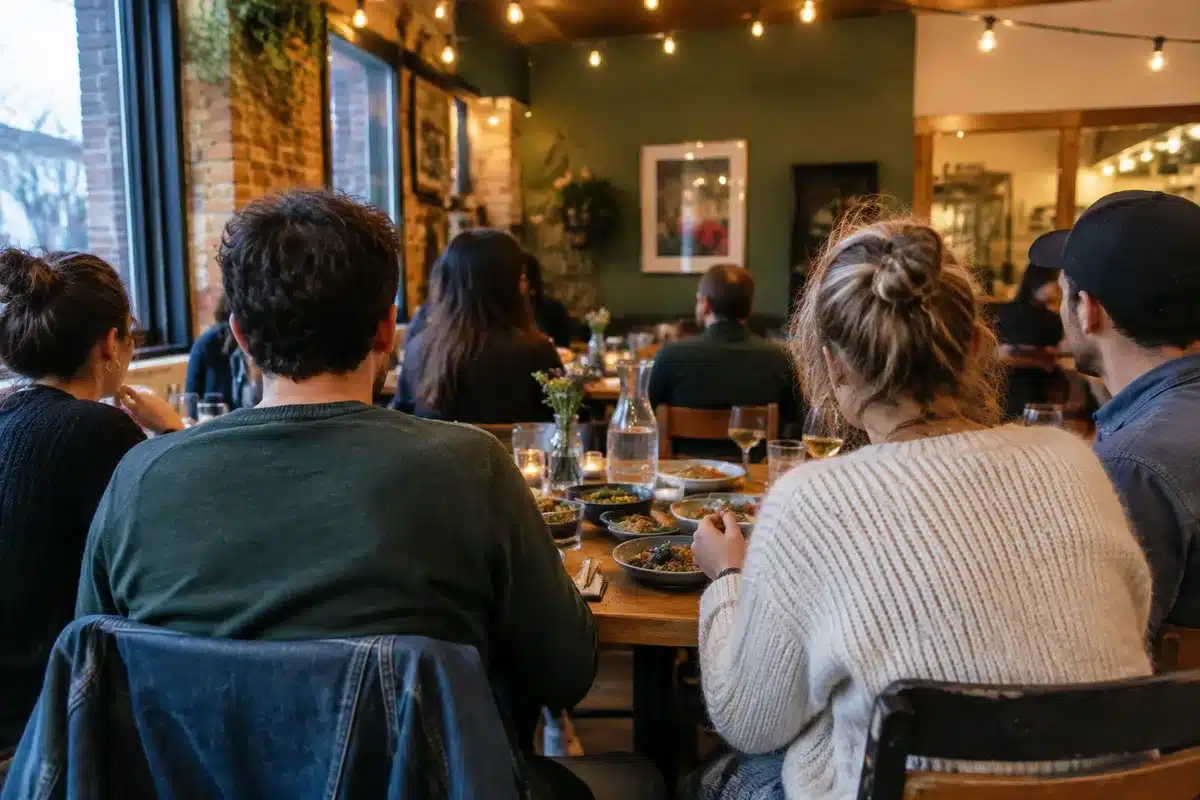
Across the United States, Juneteenth gatherings look very different from place to place—sometimes noisy street festivals, sometimes intimate family meals—but one element keeps showing up on tables everywhere: food. Since the holiday won federal recognition in 2021, culinary customs tied to Juneteenth have become more visible, blending time-honored dishes with new interpretations that reflect local tastes and contemporary chefs.
A plate that tells a story
Food at Juneteenth is rarely purely about appetite. It carries memory, resilience and community. Many dishes served on June 19 are rooted in African American history, while others represent regional pride or simple, seasonal comfort.
Caramel, butterscotch, toffee: how their differences affect your desserts
McDonald’s rebrands Twitter to honor Bubba Wallace after his first NASCAR Cup win
What appears on a Juneteenth table varies: backyard grills smoke brisket and ribs in some places; in others, writers and family elders insist on red drinks, sweet potato pies, or slices of fresh fruit. The mix of savory and sweet, ceremonial and everyday, makes the meal both a celebration and a conversation.
- Barbecue and smoked meats — A common centerpiece in Southern and Midwestern gatherings; slow-cooked meats often anchor communal feasts.
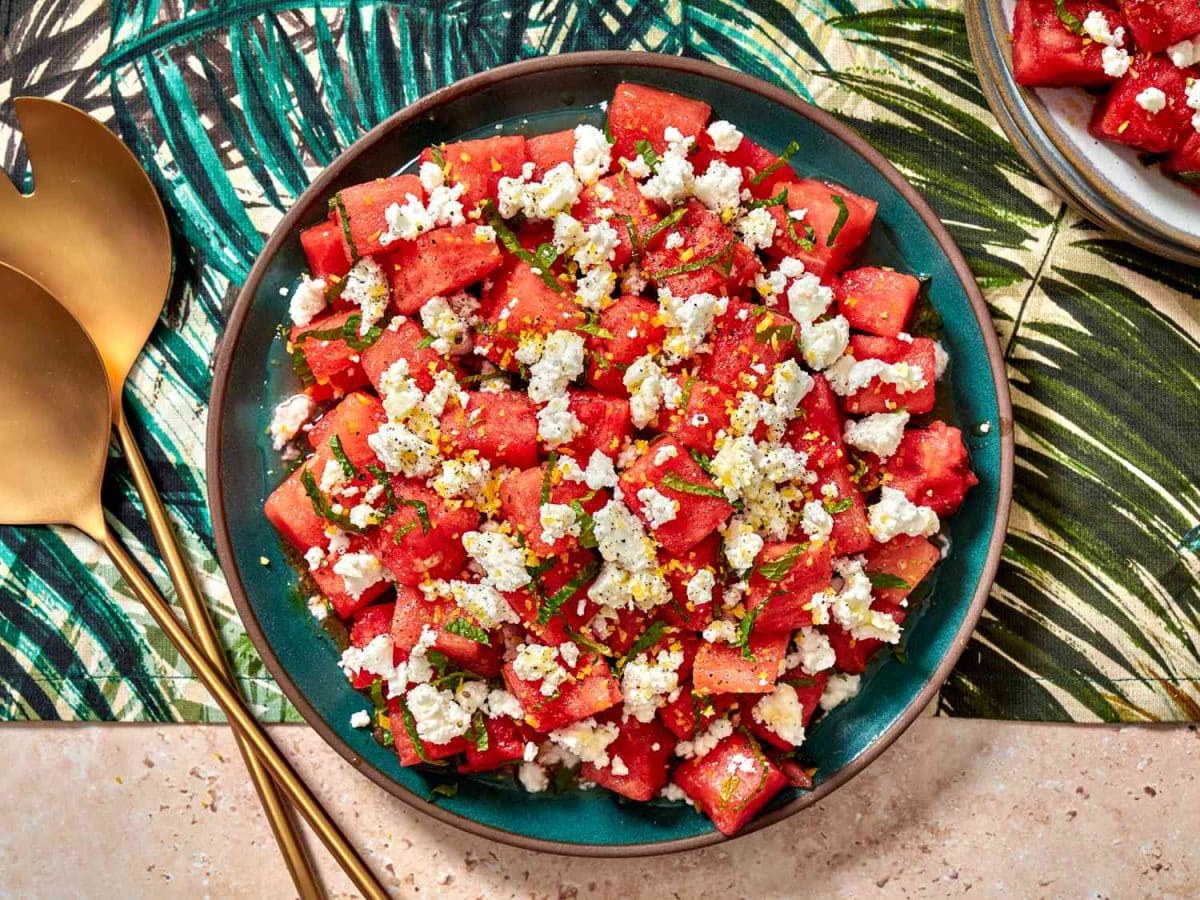
- Red foods and drinks — From strawberry soda to hibiscus punch, red-hued items symbolize resilience and have been adopted widely across communities.
- Collard greens and black-eyed peas — Traditional side dishes that speak to continuity with older generations and seasonal availability.
- Fried chicken and potato salad — Comfort staples found at family reunions and neighborhood block parties.
- Sweet treats — Pound cake, peach cobbler or red velvet cake are common desserts that close the meal on a celebratory note.
Regional variations and modern twists
Juneteenth menus shift with geography and family preference. In Texas and parts of the South, you’ll often find beef barbecue front and center. On the East Coast, seafood and picnics may play a bigger role. West Coast gatherings sometimes incorporate Latinx and Asian flavors, reflecting local communities.
At the same time, chefs and home cooks are reinterpreting classics—adding spice blends, swapping ingredients to be vegetarian-friendly, or presenting historical recipes with contemporary techniques. This evolution keeps traditions alive while making them accessible to new generations and dietary needs.
How to approach Juneteenth meals thoughtfully
Whether you’re hosting or attending, a few simple approaches help honor the day’s meaning while enjoying the food.
- Listen to hosts about family customs; food choices often carry personal significance.
- If bringing a dish, consider recipes that can be shared easily and accommodate common allergies.
- Support Black-owned restaurants and caterers when possible—community economies often benefit from holiday spending.
- Ask about the story behind a dish; many recipes arrive with history worth preserving.
Juneteenth foodways are more than recipes; they are living traditions that connect present-day gatherings with historical memory. As the holiday continues to grow in public recognition, its culinary landscape will likely keep expanding—offering both familiar favorites and new flavors that reflect the diversity of American communities.
Irish whiskey: approachable bottles new drinkers should try today
Fishtown restaurants ranked: must-visit spots locals are raving about