Show summary Hide summary
As warm-weather gatherings return and at-home cocktail making climbs back into routine, the choice between bottled citrus and freshly squeezed fruit is more than a matter of convenience — it can change a drink’s balance and brightness. For bartenders and home mixologists alike, understanding when to reach for a lime and when to accept a shortcut matters right now as people entertain more and look for reliably good drinks with minimal fuss.
Industry mixologists stress that freshly squeezed lime usually delivers a clearer, crisper profile than shelf-stable alternatives, but the payoff depends on the fruit. Factors such as origin, ripeness and time of year shape acidity and aroma; a poorly ripened lime can undermine even the best rum or tequila. In short: the source fruit matters as much as the squeezing method.
Making fresh lime practical, not burdensome
Caramel, butterscotch, toffee: how their differences affect your desserts
McDonald’s rebrands Twitter to honor Bubba Wallace after his first NASCAR Cup win
You don’t have to squeeze a stack of fruit every time you want a drink. A simple prep step can keep the bright, citrus character of fresh lime on hand without a daily squeeze.
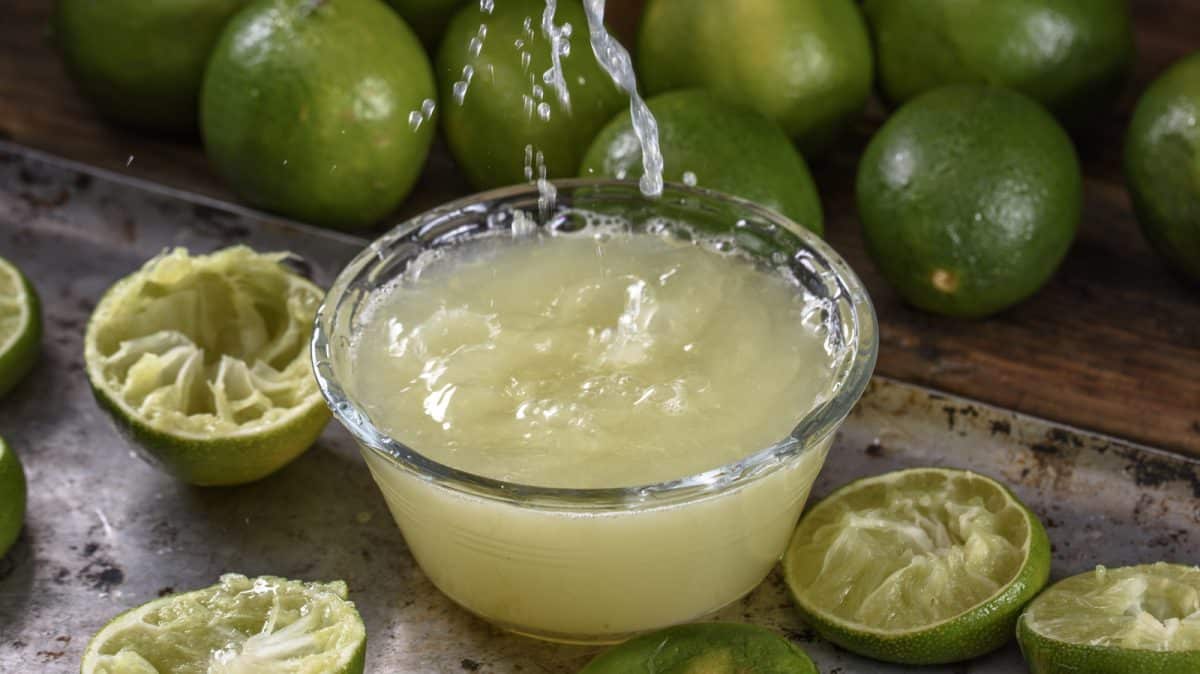
Juice a batch of ripe limes and freeze the liquid in small portions. Transfer frozen portions to an airtight container and label with the date: they’ll hold their flavor for months. Storing juice in single- or double-cube portions makes it easy to pop out the amount you need for one or two cocktails and thaw it in the refrigerator during the day.
Practical tip: if you use standard ice-cube trays, two frozen cubes of lime juice are usually enough for a couple of drinks — that lets you prepare in the morning and have fresh-tasting juice by evening without waste.
Cocktails that gain most from real lime
- Margarita — Avoid pre-made mixes. Fresh lime juice puts the cocktail’s balance front and center and brightens agave and orange liqueur.
- Classic Daiquiri — A concise formula showcases lime: about 2 oz white rum, 1 oz fresh lime juice and ¾ oz simple syrup, shaken hard over ice for a clean, zesty finish.
- Kentucky Mule — Lime’s acidity offsets whiskey’s warmth and brings lift to ginger beer–based highballs.
- Lime Whiskey Sour — Fresh citrus rounds out the mid-palate and harmonizes with sugar and spirit in an otherwise bold drink.
Using real lime also adds a modest nutritional bonus: limes contribute vitamin C and antioxidants. That benefit is limited in the context of an alcoholic drink, but it’s a small plus for choosing fresh fruit over artificial mixes.
Bottom line: when flavor is the priority, opt for fresh lime juice. If time or supply is an issue, prepare in advance and use frozen lime cubes to preserve brightness. And when shopping, inspect fruit for ripeness and weight — a heavy, slightly yielding lime will usually give you better juice than one that’s hard or dry.
Irish whiskey: approachable bottles new drinkers should try today
Fishtown restaurants ranked: must-visit spots locals are raving about