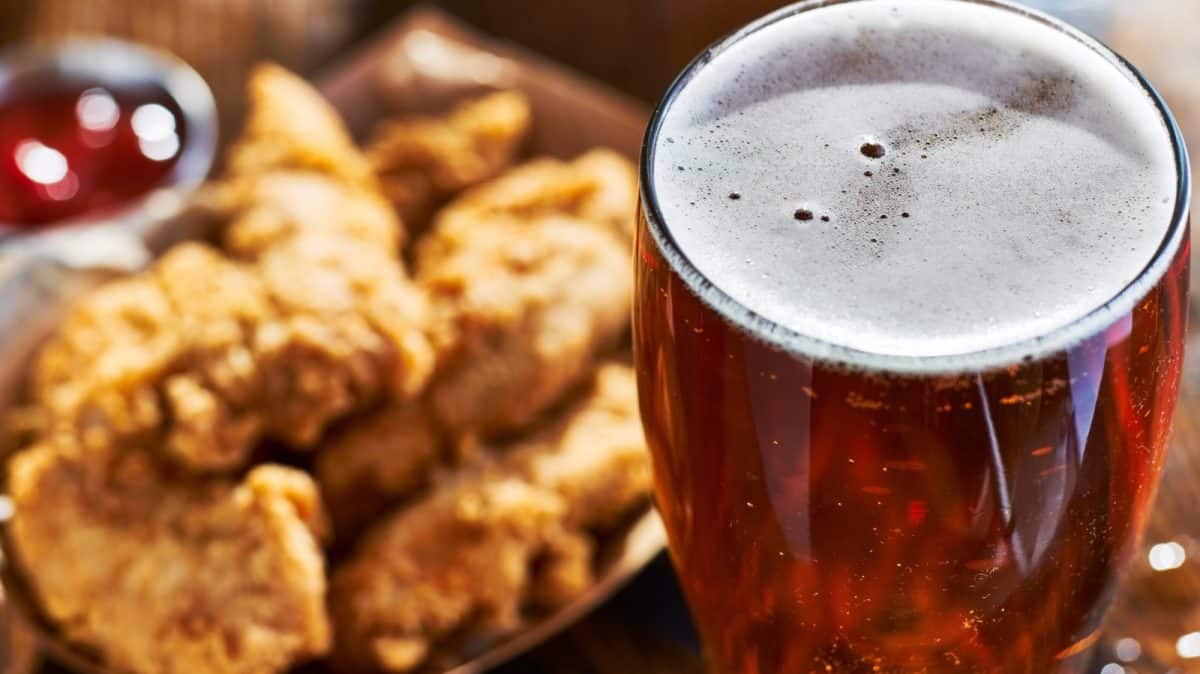
Pairing beer with fried chicken is more than a comfort-food cliché — it’s a sensory trick that refreshes the palate and boosts enjoyment bite after bite. Recent expert insight and lab findings help explain why that cold can and hot piece of chicken feel so right together, and why your next backyard meal may be better with the right brew.
The basic chemistry is simple: fried chicken presents an intense mix of salt, fat and crunchy coating that can quickly dull taste buds. Beer’s carbonation and a touch of bitterness act as a palate reset, lifting grease away and clearing the way for the next mouthful. Temperature matters, too — the contrast between an ice-cold beer and steaming chicken increases perceived flavor intensity through oral thermoreceptors, making each bite seem brighter.
There’s also a neurochemical dimension. Research collected by the Indiana University School of Medicine shows that the flavor of beer alone can raise dopamine levels, while familiar comfort foods like fried chicken trigger their own dopamine responses. Put together, the combination delivers a compounded reward signal that explains why the pairing often feels especially satisfying.
Caramel, butterscotch, toffee: how their differences affect your desserts
McDonald’s rebrands Twitter to honor Bubba Wallace after his first NASCAR Cup win
Patrick Rue, a Master Cicerone and founder of The Bruery, notes that certain beer attributes — malt presence, balanced bitterness and a crisp finish — are key to a successful match. Cultural evidence of the combo’s popularity stretches from bar menus to pop culture; the pairing’s ubiquity is part of its appeal.
The best (and worst) beers to pair with fried chicken
Not every beer complements fried chicken the same way. Styles with enough flavor to stand up to the dish but with a refreshing finish tend to work best; very light, neutral lagers often fall short.
- American amber ale — A go-to recommendation for many brewers. Its toasty, biscuity malt and mild caramel notes echo the fried crust while the beer’s moderate bitterness and dry finish keep the palate clean.
- Pale ales and session IPAs — Hop presence can slice through fat and add a contrasting citrus or resinous bite; choose lower-alcohol, balanced examples so hops don’t dominate.
- Pilsners or crisp lagers — When brewed with more character (clean malt and firm carbonation), these provide a refreshing counterpoint without being overwhelmed by the dish’s richness.
- Witbiers and wheat ales — Their soft, bready profiles and gentle spice notes pair well with milder preparations and offer a rounded, easygoing match.
- Avoid: American light lagers — Extremely light-bodied and low in flavor, they can feel thin beside rich fried chicken, leaving the meal tasting unbalanced.
Rue emphasizes balance: pick a beer with enough personality to engage the flavors of the chicken without competing for attention. If your chicken is heavily spiced — think cayenne or jerk seasoning — lean toward brews that can echo or temper that heat rather than disappear in it.
Practical takeaway: aim for contrast and complement. Let carbonation and measured bitterness refresh the mouth, let malt notes mirror the fried crust, and don’t be afraid to experiment. A small tasting — swapping styles across a single plate — is often the fastest route to finding your favorite combo.
Why this matters now: With outdoor dining and casual gatherings back on menus, selecting the right beer can transform a simple meal into a repeatable, memorable experience. The science and sensory logic behind the pairing are straightforward, and a little mindful choice makes large gatherings and weeknight dinners more enjoyable for everyone at the table.
Irish whiskey: approachable bottles new drinkers should try today
Fishtown restaurants ranked: must-visit spots locals are raving about