Show summary Hide summary
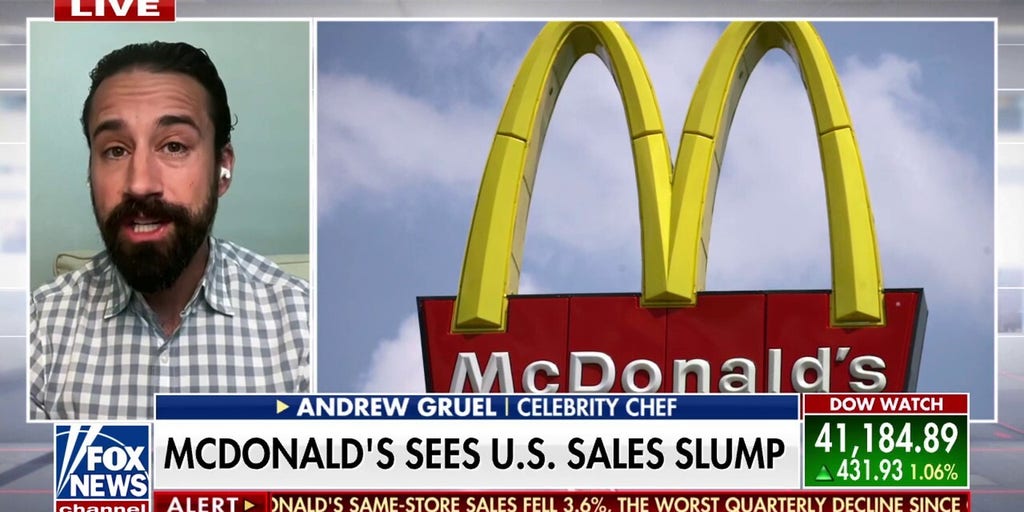
A high-profile chef has suggested that state-level rules in California may be a contributing factor to a recent slowdown in McDonald’s sales — a claim that, if true, would carry wider implications for national chains and local franchise owners. With California representing one of the country’s largest consumer markets and a frequent laboratory for stricter labor and environmental rules, the debate highlights how regional policy can ripple through national retail and food-service businesses.
The chef’s comment surfaced amid broader discussion about why McDonald’s and other quick-service restaurants have seen softer traffic and sales growth in recent periods. Industry observers say a mix of rising costs, changing consumer tastes and uneven local regulations could all be at work, and that California’s policy environment is an especially visible variable because of its size and regulatory intensity.
What the claim means, and what it doesn’t
On its face, the argument is simple: higher operating costs in California — from wages to compliance — could squeeze margins or push prices up, which in turn might depress customer visits. But causation is complex. Chains like McDonald’s operate thousands of restaurants across states with widely varying rules, and corporate results reflect a combination of national marketing, menu changes, commodity prices and local market dynamics.
12 breakfast recipes readers save most: easy 2-ingredient biscuits to crowd-pleasing casserole
McDonald’s sales slump tied to California, celebrity chef warns
Publicly available corporate statements do not attribute any national sales softening to one state. Analysts caution that singling out one factor risks oversimplifying a multifaceted picture.
Key California pressures that are often cited
- Labor costs: California’s higher minimum wages and extensive labor protections can increase payroll expenses, especially for franchise-operated locations.
- Regulatory compliance: Stricter rules on packaging, waste, and food labeling can require operational adjustments and added expense.
- Real estate and utility costs: Higher rents and energy costs in many California markets put additional pressure on store-level profitability.
- Consumer trends: Rapid shifts toward plant-based options or premium fast-casual alternatives can reduce foot traffic for legacy menu items.
| Policy area | How it may affect restaurants |
|---|---|
| Minimum wage & labor rules | Raises staffing costs and can compress franchisee margins if price increases aren’t absorbed by customers. |
| Environmental compliance | Requires changes to packaging, refrigeration or waste systems, adding capital and operating expenses. |
| Commercial costs | Higher rents and utilities reduce per-store profitability, particularly in dense urban areas. |
Even where California increases costs, national impact depends on how those costs are passed on — through higher menu prices, reduced hours, or operational efficiency gains — and how consumers respond. In some cases, chains absorb higher bills to preserve traffic; in others, price-sensitive customers shift brands or dining habits.
What this means for McDonald’s franchisees and customers
For franchise owners, sustained cost pressure in a major market can force tough choices: accelerate automation, trim staffing, or revisit pricing strategies. Customers may see menu price adjustments or promotional changes as a result.
But the effect is rarely uniform. Restaurants in California’s high-cost coastal cities face different challenges than outlets in inland or rural areas, and corporate-level initiatives—like national promotions or supply contracts—can mute localized shocks.
Industry watchers advise monitoring a few near-term signals: upcoming quarterly sales reports, same-store sales comparisons by region, and any public statements from McDonald’s or franchisee associations about cost pressures tied to state policies.
Ultimately, the chef’s remark underscores a broader point: regional policy choices can matter to national brands, but proving a direct line from a single state’s rules to a nationwide sales decline requires careful data and analysis. Stakeholders from policymakers to investors will likely be watching earnings updates closely to see whether California’s role can be quantified or remains one of several contributing factors.
Affordable matcha: experts name the top budget brands to buy now
Miami dining: 20 hottest openings reshaping the scene this spring 2026