Show summary Hide summary
Spotting a double-yolk egg in your carton still surprises many home cooks — and it offers a small window into how hens’ bodies time reproduction. Beyond novelty, these eggs tell a practical story about flock age, egg grading and how you might use them in the kitchen.
How two yolks happen inside one shell
Egg formation follows a rhythmic biological cycle. Most of the time a single yolk is released into the hen’s oviduct, then coated with the white and shell. A double-yolk egg forms when two yolks enter the oviduct in quick succession and become enclosed together.
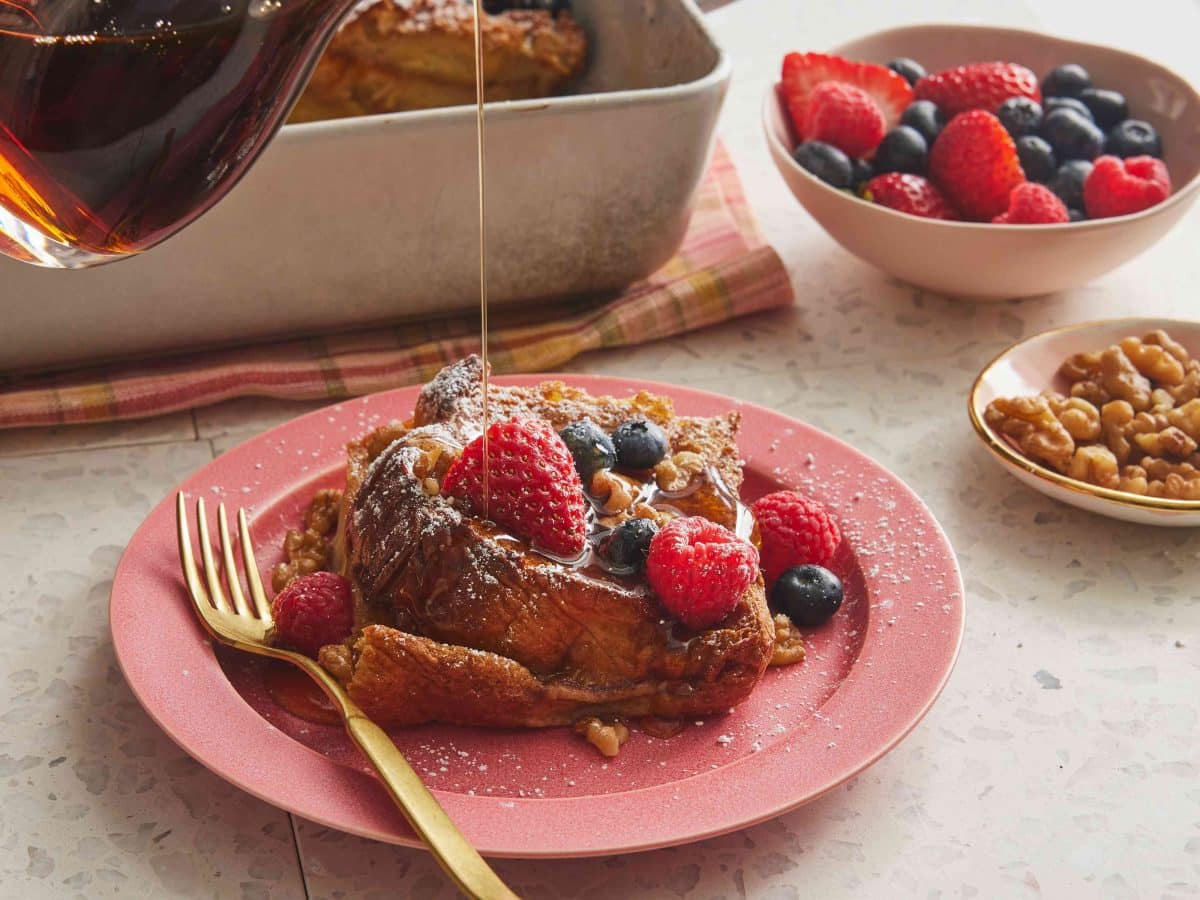
12 breakfast recipes readers save most: easy 2-ingredient biscuits to crowd-pleasing casserole
McDonald’s sales slump tied to California, celebrity chef warns
That mis-timing is more than a curiosity: it’s most common among young hens whose reproductive systems are still settling into a steady routine. It also appears in older hens whose cycles are winding down. Breed and nutrition can influence frequency, but double yolks remain a relatively rare occurrence at commercial scale.
Why this matters for shoppers and cooks
Finding a double-yolk egg is harmless — the product is safe to eat and cooks like a standard egg. Still, there are a few practical consequences to keep in mind:
- Nutrition and size: a double-yolk egg contains more yolk-derived fat and some extra protein, but it doesn’t dramatically change overall nutritional balance compared with two regular eggs.
- Baking and recipes: recipes that depend on precise egg counts or yolk-to-white ratios (custards, meringues) may be affected. Bakers often weigh eggs instead of counting them for greater consistency.
- Commercial detection: larger-than-usual eggs can be flagged by weight-based grading lines, so some double yolks are screened out in industrial packing.
For consumers, the encounter is mostly an amusing one. Many people prize double yolks as a sign of good luck or simply share photos online. For professionals — from artisan bakers to egg suppliers — it has small operational implications.
Practical tips if you find one
Here are quick, usable steps to handle a double-yolk egg in the kitchen.
- Use it in dishes where extra yolk helps (rich omelets, custards, carbonara).
- Adjust recipes: if a recipe calls for one egg and you need a precise yolk-to-white ratio, separate and measure ingredients by weight.
- Keep safety in mind: treat it like any fresh egg — refrigerate promptly and cook to recommended temperatures for the dish.
Some cooks intentionally seek double yolks for novelty or for slightly richer texture in certain recipes; others prefer consistency and will weigh eggs to avoid surprises.
What producers and buyers should know
Egg suppliers monitor flock age and management practices because the frequency of double-yolk eggs can shift with herd demographics. Retail buyers may see more of them from small farms or mixed-breed flocks than from highly standardized industrial operations.
That said, the overall market impact is minor. Double-yolk eggs are uncommon enough that they rarely affect prices or supply chains, but they do provide a visible cue about flock characteristics and handling.
Finding a double yolk is a small, everyday reminder that even routine food items reflect living systems and production choices. Whether you see it as a lucky surprise, a baking nuisance, or simply a neat bit of biology, the double-yolk egg is an edible prompt to notice how food is made — and to adjust recipes only when precision matters.
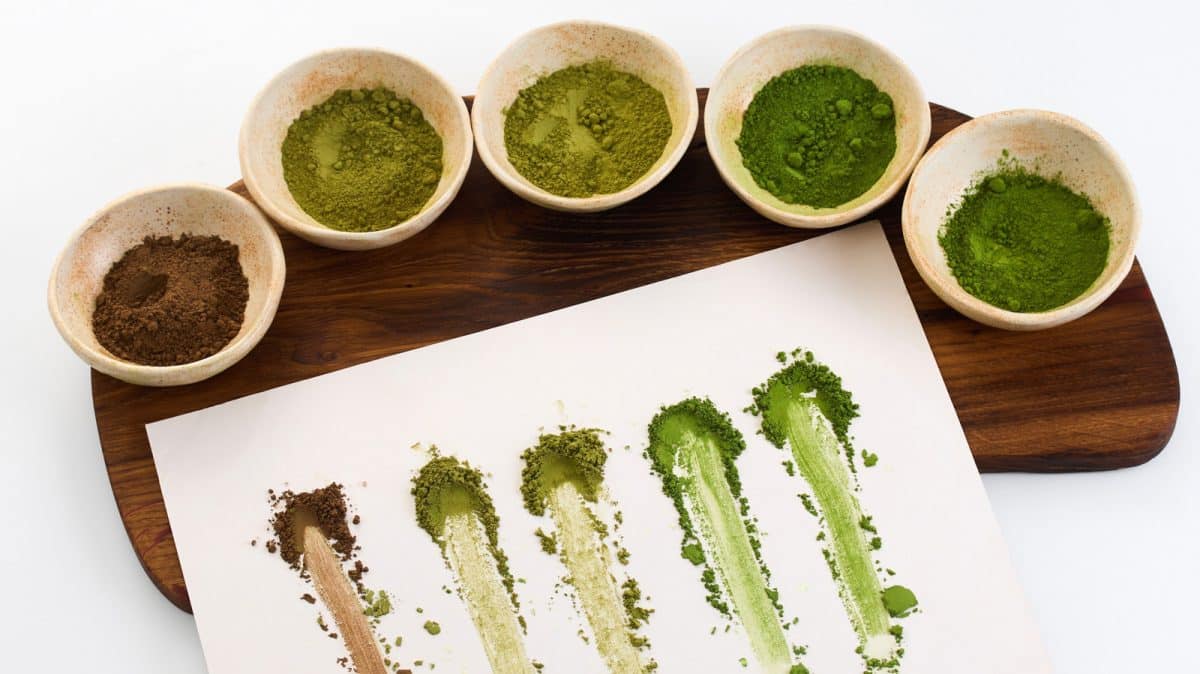
Affordable matcha: experts name the top budget brands to buy now
Miami dining: 20 hottest openings reshaping the scene this spring 2026