
Show summary Hide summary
- Why prices are shifting now
- How to choose between ceremonial and culinary
- Osada Everyday Matcha
- ITO EN Oi Ocha Organic Matcha Powder
- Rishi Everyday Matcha
- Wild Orchard — green and black matcha
- Matsukaze by Yamamasa Koyamaen
- Hugo Tea SONOGI
- Sakimidori Single Cultivar Matcha
- Mizota Matcha
- Practical buying and storage tips
As matcha demand climbs and supply squeezes from climate and crop pressures in Japan, shoppers are facing higher prices and tougher choices. Here are eight budget-friendly powders experts recommend, with clear guidance on when to pick a ceremonial versus a culinary option and what each will actually taste like in your cup or recipe.
Two industry voices—Nethra Rajendran, a beverage developer and sustainability podcaster, and Will Shurtz, a specialty coffee and tea retailer—say price reflects more than leaf quality alone. Farming methods, harvest timing, processing and storage, plus certification and shipping, all shape cost and flavor. Their guidance helped shortlist approachable matchas that balance value, traceability and taste.
- Osada Everyday Matcha — cheapest pick; best for lattes, smoothies and baking; good value when bought in 100 g bags.
- ITO EN Oi Oicha Organic Matcha Powder — reliable organic culinary powder; good texture for recipes and cafe use.
- Rishi Everyday Matcha — single-origin (Kagoshima), organic and froths well; a solid daily-drinker under $15/oz.
- Wild Orchard Organic Green / Black Matcha — unconventional black matcha option; designed for lattes and bold tea blends.
- Matsukaze (Yamamasa Koyamaen) — a step up in craft and storage care; versatile for water-based preparations and milk drinks.
- Hugo Tea SONOGI — approachable ceremonial blend from Nagasaki growers; sold in larger tins to lower per-ounce cost.
- Sakimidori Single Cultivar Matcha — Yame-region ceremonial; creamy umami suited to drinking straight.
- Mizota Matcha — pricier but award-winning Yame stone-milled matcha; floral-fruity notes best enjoyed whisked with water.
12 breakfast recipes readers save most: easy 2-ingredient biscuits to crowd-pleasing casserole
McDonald’s sales slump tied to California, celebrity chef warns
Why prices are shifting now
Recent years have tightened the global matcha market. Weather events, labor constraints and rising interest in matcha outside Japan have combined with supply-chain costs to push retail prices up. Experts note that a bag’s sticker price can hide many variables: harvest timing, whether plants were shaded (which increases chlorophyll and amino acids), how the leaves were milled, and whether the producer invested in climate-conscious practices.
How to choose between ceremonial and culinary
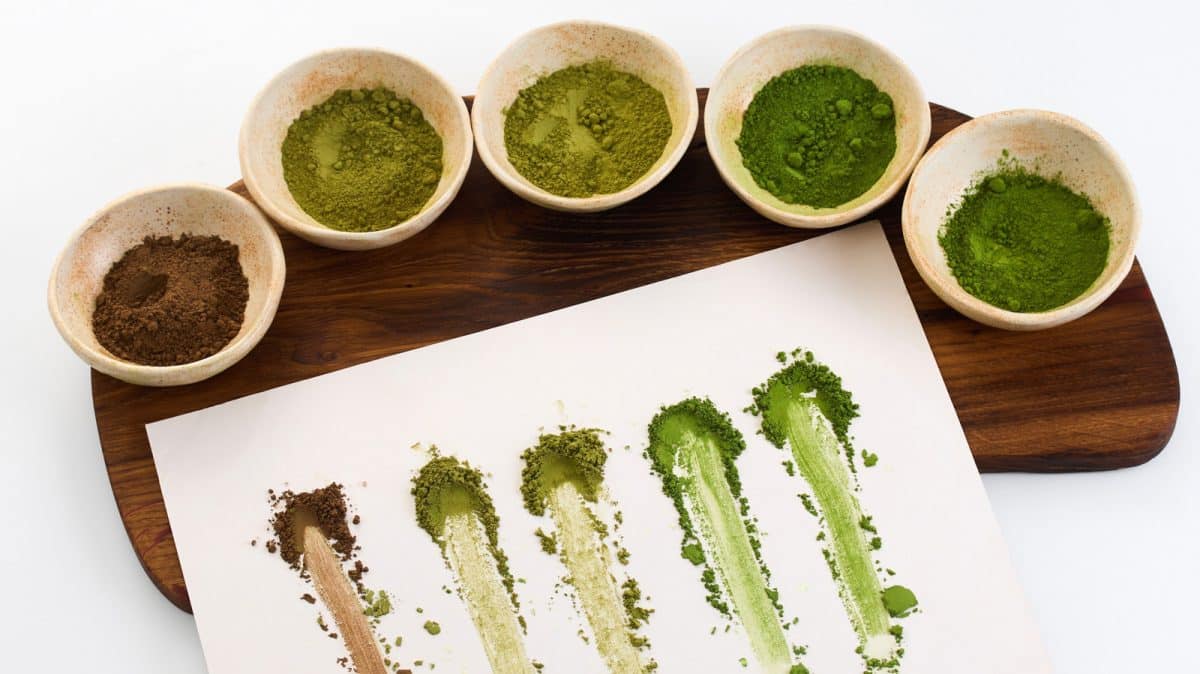
Think of ceremonial matcha as the one you sip on its own, where delicate sweetness and umami matter; these leaves typically come from the first spring harvest. Culinary matcha, often from later picks, tolerates heat and additional ingredients and can be more bitter, which works well in baked goods or lattes. Both experts remind buyers that good culinary matcha from a trusted source can still be very satisfying.
Osada Everyday Matcha
What makes this a wallet-friendly option is both price and package size: buying larger bags reduces cost-per-ounce. Expect a straightforward powder—less floral complexity than premium ceremony-grade powders but useful in milk drinks and recipes. While origin details are sparse, independent testing standards in some regions mean pesticide residues are monitored; still, traceability matters if ethical sourcing is a priority.
ITO EN Oi Ocha Organic Matcha Powder
ITO EN is a familiar name for many shoppers thanks to its bottled teas. The Oi Ocha organic powder sits in the culinary range but earns praise for its smooth mouthfeel and consistent color. Because it’s organic and widely reviewed, it’s a dependable pantry staple for people making matcha baked goods or cafe-style drinks.
Rishi Everyday Matcha
Rishi combines single-origin sourcing with accessible pricing. Sourced from Kagoshima, this matcha is noted for a bright green color and a natural sweetness that froths nicely. It’s not ceremonial-tier but is a comfortable entry point for regular drinkers who want organic credentials without paying premium prices.
Wild Orchard — green and black matcha
Wild Orchard’s line takes an unconventional approach. The brand offers both a traditional green powder and a rare black matcha made from oxidized leaves. Because stems and veins may remain in the grind, expect pronounced bitterness—by design—so these are marketed for milk-based drinks and creative recipes rather than straight whisking.
Matsukaze by Yamamasa Koyamaen
Yamamasa Koyamaen has a long history in Japan and helped popularize canned—and therefore carefully stored—matcha. Matsukaze occupies the middle of this list on price and on finesse: gentle umami, modest sweetness and little harshness. Its packaging and milling method support longevity; refrigeration after opening can preserve color and aroma.
Hugo Tea SONOGI
SONOGI is an example of blending done thoughtfully: multiple growers in the same prefecture contribute leaves from the same cultivar, which can smooth out seasonal variation while keeping regional character. Hugo Tea also sells larger tins, which lower the effective cost per serving—a useful strategy if you drink matcha daily.
Sakimidori Single Cultivar Matcha
From Yame, this single-cultivar ceremonial matcha highlights the region’s amino-acid richness. It’s described as approachable for newcomers who want to experience matcha cleanly—hot water, no milk—while still offering subtle nuttiness and floral notes. Packaging is often in pouches; transfer to an opaque container to protect the powder after opening.
Mizota Matcha
The most expensive on this list, Mizota is still competitively priced compared to ultra-premium imports. Stone-milled and award-winning, it leans toward floral and fruity aromatics alongside roasted undertones. Because it’s best in water, measuring to taste—rather than following maximal recommendations—can stretch a jar further without sacrificing enjoyment.
Practical buying and storage tips
- Buy larger tins or bags if you drink matcha frequently—bulk reduces cost per serving.
- Store in a cool, dark place and consider refrigeration after opening to slow oxidation.
- Choose culinary matcha for recipes and milk drinks; pick ceremonial for straight whisked servings.
- Check whether a brand discloses origin and processing—traceability often signals better farming and environmental practices.
Whether you’re experimenting with matcha lattes or committing to daily whisked bowls, a little knowledge goes a long way. With growing prices, seeking transparency and matching the powder to how you’ll use it will help you get the most flavor for your budget.
Affordable matcha: experts name the top budget brands to buy now
Miami dining: 20 hottest openings reshaping the scene this spring 2026